Why Choose Durable Furniture for Families with Kids?

Time:2026-09-24 Author:Liam
0%

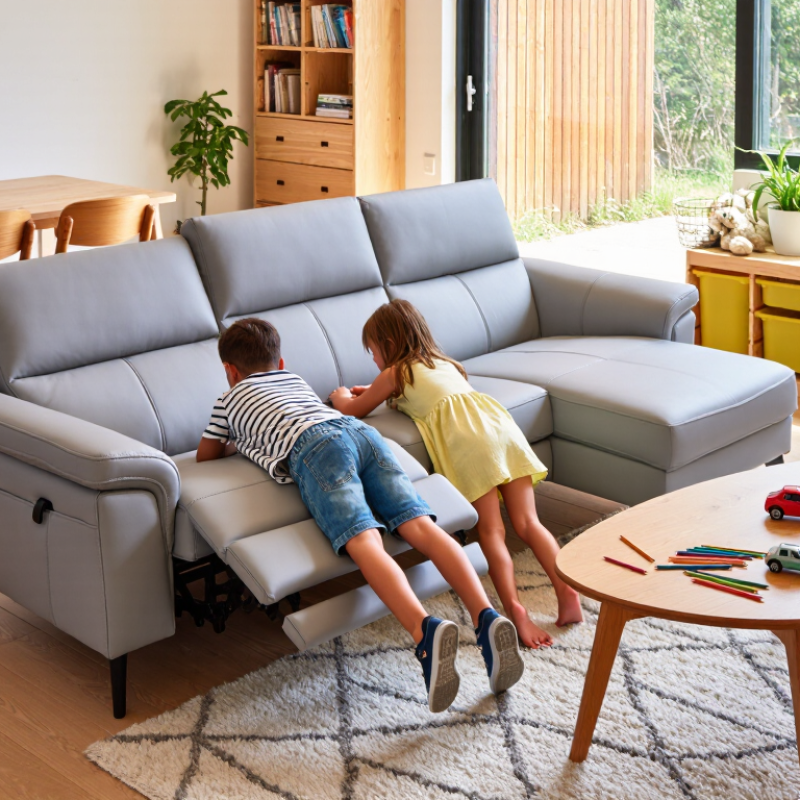
Children rarely treat furniture gently. A sofa becomes a climbing spot, a dining chair catches muddy sleeves, and toy cars may leave marks across a coffee table. In a busy home, these small moments add up. Furniture that holds up can reduce repairs, waste, and the stress of replacing pieces too soon. It can also make everyday family life feel easier. That does not mean every sturdy item is automatically the right choice. Heavy furniture may be difficult to move, and hard-wearing finishes can still show scratches.

How to choose durable furniture for families with kids depends on more than appearance. Look for stable frames, secure joints, and materials suited to your household’s routines. Check care instructions, fabric-cleaning guidance, and product details rather than relying on a “family-friendly” label alone. Rounded corners, washable covers, and practical storage may also matter, especially in small rooms. Ask how a piece performs under ordinary use, not just how it looks in a showroom. A fabric swatch can help, though it cannot predict every spill or scuff. Nothing stays perfect forever.

This guide explores the features that can make family furniture more dependable, from construction and upholstery to safety and maintenance. It also considers where durability involves trade-offs, such as cost, comfort, and style. A thoughtful choice will not prevent every mess. It should, however, make the next one less worrying.
Why Choose Durable Furniture for Families with Kids?

What Durable Furniture Means in a Family Home

What Durable Furniture Means in a Family Home

In a family home, durable furniture handles ordinary chaos: muddy shoes, spilled juice, and a child leaning hard on a chair. It is not simply heavy or expensive. Look for stable joints, sturdy frames, replaceable hardware, and surfaces that can be cleaned without special treatment. A removable cushion cover helps after a snack-time accident. Rounded edges can also matter when little ones move quickly through a room.

Durability includes how long an item stays useful, not just how it survives one test. The U.S. Environmental Protection Agency’s 2018 Advancing Sustainable Materials Management report estimated that Americans generated 12.1 million tons of furniture and furnishings waste; about 80.1% was landfilled. That figure gives families a practical reason to consider repairability and expected service life when buying. Still, no finish is truly spill-proof, and a sturdy table can loosen if its fasteners are ignored. I have learned that “low maintenance” sometimes needs a reality check. Check care instructions, inspect joints occasionally, and choose pieces that can adapt as children grow.

Why Choose Durable Furniture for Families with Kids?

Harder wood is generally more resistant to dents, which can help furniture stand up to everyday family use.

Janka hardness measures the force needed to embed a steel ball halfway into wood. Higher ratings indicate greater resistance to denting, but do not measure overall furniture durability or scratch resistance. Values are approximate and can vary by sample.
Source: The Wood Database — Janka Hardness.

How Children’s Daily Activities Challenge Furniture

Children rarely use furniture gently. A sofa becomes a climbing route; dining chairs scrape across floors during games. Backpacks drop onto seats, while juice spills and snack crumbs settle into seams. These repeated impacts test joints, fabric, finishes, and stability more than occasional adult use does. Wear can appear gradually: a loose chair rung, flattened cushion, or rough table edge.

The U.S. Consumer Product Safety Commission recorded 581 deaths from furniture and television tip-overs between 2000 and 2022; 472 victims were children. That figure makes stability more than a durability feature.

Choose well-joined frames, cleanable upholstery, and furniture that stays steady during everyday movement. Secure tall pieces to a wall, and check fasteners as children grow. Strong furniture helps, but no piece is completely child-proof. That deserves a little humility.

Tips: Test chairs for wobble before buying. Look for removable, washable covers and rounded, smooth edges. Wipe spills promptly, and tighten loose hardware when needed. A quick monthly check can catch small problems early—though busy households may miss one now and then. Sleep on it.

Why Durability Matters for Safety, Cost, and Everyday Use

Why Choose Durable Furniture for Families with Kids?

Why Durability Matters for Safety, Cost, and Everyday Use

Children rarely use furniture gently. A dining chair may become a step, while a sofa faces spilled juice, jumping, and toy cars. Sturdy construction helps furniture withstand daily bumps without loosening quickly. Still, durable does not automatically mean safe. Check that chairs feel stable, edges are not sharp, and heavy pieces are secured against tipping.

Materials and workmanship affect how furniture ages. Tight joints, reinforced frames, and finishes that are easy to wipe can make everyday care simpler. After a busy afternoon, a damp cloth may handle crumbs and sticky fingerprints. Follow the care instructions, and check screws or joints now and then. Small maintenance matters. A strong table can still wobble if a connection loosens.

Buying furniture that lasts may cost more at first, but replacement costs add up. Families can often keep well-made pieces through changing routines, from toddler meals to homework sessions. That said, “built to last” is not a guarantee, and a higher price alone proves little. Look for clear material details, sensible construction, and a design that fits your room. Scratches will happen. That’s real life. A surface that cleans easily and a frame that stays steady can make those ordinary messes less stressful.

Which Materials and Designs Stand Up to Family Life

For family furniture, durability starts with materials that tolerate daily contact. Solid hardwood frames and well-joined corners often handle years of climbing, leaning, and moving better than lightweight construction. Plywood can also be sturdy when its layers are bonded well. Check for smooth edges and stable legs; a wobbly chair can become a bigger problem when a child rocks on it. For upholstery, tightly woven fabrics are generally easier to brush clean than loose, textured weaves. Removable, washable covers help, though they may shrink or fade if care instructions are ignored. Nothing is completely spill-proof.

Design matters just as much. Rounded table corners can soften bumps in busy rooms, while broad, stable bases reduce the chance of tipping. Choose drawers with smooth, reliable runners and handles that are easy for adults to inspect. A low shelf may invite little hands, so keep fragile objects elsewhere. Furniture should fit the room without blocking walkways; even a sturdy piece can cause trouble if everyone has to squeeze past it. Measure doorways, too. I once underestimated that detail.

Tips: Blot spills promptly instead of rubbing them deeper into fabric. Test cleaners on a hidden spot first. Tighten loose screws every few months, and check that tall furniture is secured according to its instructions. Durable choices help, but a quick maintenance check still matters.

How to Choose and Maintain Furniture for Growing Families

Growing families need furniture that can handle daily spills, climbing feet, and frequent rearranging. Start by checking the frame, joints, and finish. Solid, well-joined construction often lasts longer than pieces held together with weak fasteners. For sofas and chairs, removable, washable covers can make juice stains less stressful. Choose rounded edges where children run and play, and secure tall storage furniture to the wall.

Think about how each piece will serve your family over time. A sturdy dining table may later become a place for homework and craft projects. Measure doorways and room layouts before buying, leaving clear paths for little ones. Look for finishes that clean with mild soap and water, and read care instructions rather than testing harsh cleaners on a visible spot.

Maintenance takes small, regular effort. Wipe spills promptly, tighten loose screws, and check chair legs after energetic meals. Use coasters, but expect a few marks anyway. I once thought a pale fabric would be easy to keep pristine; it was not. Durable furniture does not mean worry-free furniture. It means fewer repairs, safer everyday use, and pieces that can adapt as children grow.

Why Choose Durable Furniture for Families with Kids? — How to Choose and Maintain Furniture for Growing Families
Furniture Area What to Look For Why It Matters for Families Care and Maintenance
Frame and construction Sturdy joints, a stable base, and materials suited to everyday use. Check that drawers and doors open smoothly. Strong construction can better withstand frequent use, movement, and the occasional bump. Tighten loose fasteners when needed, follow assembly instructions, and avoid dragging furniture across floors.
Upholstery Tightly woven, abrasion-resistant fabric with care instructions that fit your household. Removable covers can simplify cleaning. Food, spills, and everyday contact are common in family spaces; practical upholstery can be easier to keep presentable. Blot spills promptly rather than rubbing. Test cleaning products on a hidden area and follow the care label.
Dining table and chairs A stable table, smooth edges, and chairs appropriate for the children who will use them. Dining furniture often serves as a place to eat, do homework, and work on projects. Wipe surfaces with a suitable cleaner, dry them after cleaning, and use placemats to reduce scratches and stains.
Storage furniture Accessible shelves or bins, smooth-running drawers, and secure installation where required. Well-planned storage helps keep toys and supplies organized as children’s needs change. Distribute weight evenly, avoid overloading drawers, and secure tall units to the wall according to the manufacturer’s instructions.
Bed and mattress A supportive frame and a mattress suited to the sleeper’s size and age. Check weight limits and care guidance. Children grow quickly, so suitable dimensions and support can help a bedroom remain useful over time. Rotate the mattress only if its care instructions recommend it, and check frame connections periodically.
Finish and edges Smooth surfaces, securely attached components, and finishes with clear product-care and safety information. Well-finished furniture is easier to clean and less likely to snag clothing or cause splinters during normal use. Use a soft cloth and a cleaner appropriate for the finish. Avoid harsh abrasives unless the care instructions allow them.
Adaptability Flexible layouts, adjustable features, or pieces that can serve more than one purpose. Adaptable furniture can remain useful as children’s routines, interests, and room arrangements change. Reconfigure pieces according to their instructions and inspect moving parts after adjustments.
Buying checklist Measure the room and doorways, review product dimensions and weight limits, and check assembly and care instructions. Planning helps avoid poor fit and makes it easier to choose furniture that suits the family’s space and routines. Keep care instructions and hardware together, and address small repairs before they become larger problems.

FAQS

What makes furniture durable in a family home?

Look for sturdy frames, stable joints, replaceable hardware, and surfaces that clean with mild soap and water. Heavy or expensive does not always mean durable.

Which materials can handle everyday family use?

Solid hardwood and well-bonded plywood can make sturdy frames. Tightly woven upholstery is often easier to brush clean than loose, textured fabric.

Are removable cushion covers worth choosing?

Yes. Washable covers can help with juice spills and snack crumbs. Follow the care label, though; some covers may shrink or fade.

How can furniture design help keep children safer?

Rounded corners can soften bumps, and broad bases can improve stability. Secure tall storage furniture to the wall according to its instructions.

What should I measure before buying furniture?

Measure the room, doorways, and walking paths. A sturdy table is still a poor fit if it blocks a busy route.

How should I clean spills on upholstery?

Blot spills promptly instead of rubbing them in. Test any cleaner on a hidden spot first. No finish is truly spill-proof.

What simple maintenance helps furniture last?

Tighten loose screws every few months and inspect chair legs and joints. Small checks matter.

Can one piece of furniture serve a family as it grows?

Often. A dining table may later support homework and crafts. But expect a few marks; durable does not mean worry-free.

Conclusion

Durable furniture is designed to handle the demands of family life while remaining safe, comfortable, and useful over time. Children’s daily activities—such as climbing, playing, spilling, and moving furniture—can quickly wear down poorly made pieces. Strong construction, stable shapes, rounded edges, washable fabrics, and scratch-resistant surfaces can help furniture withstand everyday use and reduce common household risks.

Choosing durable furniture can also save money by reducing the need for frequent repairs or replacements. When considering how to choose durable furniture for families with kids, look for sturdy materials, secure joints, practical finishes, and designs that can adapt as children grow. Regular cleaning, prompt attention to small repairs, and following care instructions can further extend the life of furniture and help keep a family home comfortable and functional.

Liam

Liam

Liam is a dedicated marketing professional with a profound expertise in the industry, where he excels at highlighting the unique advantages of our core products. With a keen understanding of market trends and consumer needs, Liam frequently updates our company’s professional blog, providing......