The upcoming Canton Fair 2026 promises to be a significant event for trends in Urban Industrial Furniture. Taking place across different phases from April 15 to May 5, the fair will showcase innovative designs and sustainable practices. The emphasis will be on quality home furnishings, capturing the essence of urban lifestyle.
Urban Industrial Furniture reflects raw aesthetics, blending functionality with style. Expect to see unique materials like reclaimed wood, metal, and concrete. These elements create an edgy yet inviting atmosphere. However, the challenge lies in balancing rugged appearance with comfort. Many designs fail to consider the usability factor, resulting in products that are visually appealing but impractical.
Moreover, with the introduction of AI features at the fair, buyers can efficiently navigate and discover suppliers. This technological advancement will enhance the procurement process, making it easier to find furniture that meets specific certifications like ISO and CE. Yet, reliance on AI raises questions about personal touch in sourcing. The future of Urban Industrial Furniture can thrive, but only if the industry reflects on these intricate dynamics.
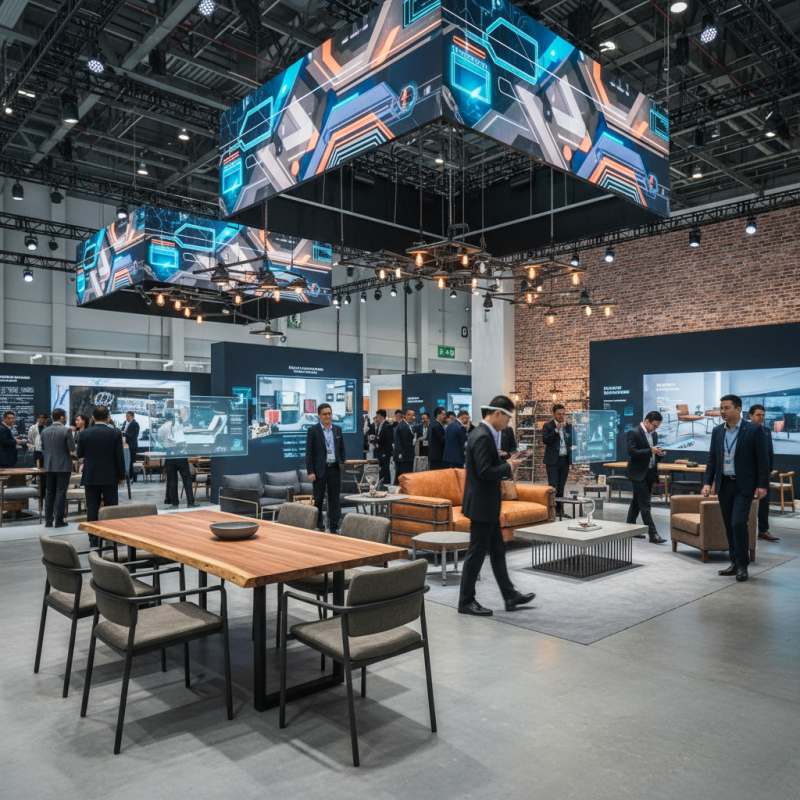
Key Characteristics of Urban Industrial Furniture on Display
Urban industrial furniture has gained immense popularity, capturing a raw and edgy aesthetic. At the upcoming
Canton Fair 2026, key characteristics will stand out. Expect to see a blend of metal and wood in various designs. Old materials,
such as reclaimed wood, give a sense of history and warmth. Elements like exposed pipes and concrete finishes lend an urban feel.
One striking detail is the use of vintage-inspired lighting. Metal shades and Edison bulbs create a cozy atmosphere. Textures play an essential role, too.
Rough surfaces contrast with sleek lines, making each piece unique. Adding greenery can soften the hard look of industrial furniture.
Small potted plants or hanging greenery will work wonders.
Tips: Incorporate small touches that reflect your personality. A well-placed accent pillow or a textured throw can make a difference.
Don’t be afraid to mix styles. A modern piece can complement an industrial chair beautifully. Remember, perfection isn’t the goal; it's about creating a space that feels
authentic and welcoming. Embrace imperfections; they tell a story in your design.
Emerging Materials and Finishes in Urban Industrial Designs
Urban industrial furniture is evolving, showcasing new materials and finishes. The 2026 Canton Fair highlights this innovative trend. Designers are now embracing raw elements. They’re using steel, distressed wood, and concrete in creative ways. These materials add character and authenticity to urban spaces.
Emerging finishes are also transforming industrial aesthetics. Matte black and deep charcoal are gaining popularity. These colors provide a sleek, modern edge. Textured surfaces, like rough concrete or brushed metal, offer tactile appeal. However, some designs may feel too cold or uninviting. It’s important to balance these elements with warmth through accessories and textiles.
One must consider sustainability in material choices. Eco-friendly options are becoming crucial in urban industrial design. Some fabrics are made from recycled materials. But the challenge lies in durability versus sustainability. Designers often grapple with these competing priorities. Finding harmony can lead to stunning results.
Popular Color Palettes in Urban Industrial Furniture for 2026
The Canton Fair 2026 showcases emerging trends in urban industrial furniture. This year, color palettes will play a vital role in defining the aesthetic of these spaces.
Vibrant hues intermingle with muted tones, creating a balance between industrial and contemporary design.
Reports suggest that earthy tones, such as terracotta and olive green, will gain popularity. These colors evoke a natural feel while maintaining an urban edge. Additionally, contrasting black and white will remain a staple, reinforcing the stark beauty of industrial materials like metal and reclaimed wood. A striking cobalt blue may emerge, providing a bold statement in otherwise neutral spaces.
For those exploring urban industrial design, here are some tips.
Consider layering textures with different materials. This creates depth and interest. Balance softer colors to avoid a stark environment. Embrace imperfections in furniture; they tell a story. Unique pieces offer charm and character, unique to your space. Utilize bold accent colors sparingly, ensuring they complement rather than overwhelm. The right palette transforms functionality into a cohesive visual narrative.
Innovative Functionalities in Urban Industrial Furniture Trends
The urban industrial furniture trend is set to redefine functionality in 2026. Many designs emphasize adaptability and sustainability. According to a recent industry report, about 70% of consumers prefer multifunctional furniture pieces. This indicates a significant shift towards practicality in urban living spaces.
Furniture that doubles as storage is gaining popularity. For instance, coffee tables with built-in drawers are functional yet stylish. Height-adjustable desks are also becoming common. These pieces solve space issues in compact apartments. However, designers must ensure these innovations do not compromise aesthetics.
Eco-friendly materials are crucial in this trend. A study shows that 55% of buyers prioritize sustainable options. Yet, the challenge remains in sourcing these materials without raising costs excessively. Designers need to reflect on the balance between functionality, style, and sustainability.
Sustainability Practices Influencing Urban Industrial Furniture Styles
As urban environments evolve, sustainability practices are shaping furniture trends in significant ways. The Canton Fair 2026 showcases these shifts, revealing a vibrant tapestry of eco-friendly designs. Urban industrial furniture now emphasizes reclaimed materials and minimalistic styles. Creativity thrives in reimagining old pieces into new treasures.
Incorporating natural elements is key. Buyers are drawn to furniture crafted from sustainably sourced wood and recycled metals. Textiles are also changing. Organic fabrics are gaining popularity alongside traditional ones. This shift promotes a cleaner, greener lifestyle among urban residents.
Tip: Look for eco-certifications when selecting furniture. This ensures that pieces align with sustainable practices.
Sustainable designs evoke emotions and provoke thought. They challenge us to reconsider consumption. However, not all designs are perfect. Sometimes, materials may not hold up as expected. It's essential to assess durability alongside aesthetics.
Tip: Test out the furniture before purchasing. Comfort and lasting quality should always be a priority.
The future is bright for urban industrial furniture. It's a balance of style and sustainability. Each piece tells a story, making urban spaces more meaningful.
FAQS
: It features a raw and edgy aesthetic, blending metal and wood in unique designs.
Reclaimed wood adds warmth and a sense of history to furniture pieces.
Vintage-inspired lighting, including metal shades and Edison bulbs, creates a cozy atmosphere.
Mixing rough surfaces with sleek lines makes each piece visually unique and interesting.
Adding small potted plants or hanging greenery softens the hard look of industrial furniture.
Many consumers prefer pieces that are adaptable and practical for compact living spaces.
Coffee tables with built-in drawers are both stylish and functional, addressing storage needs.
Eco-friendly materials are increasingly popular among consumers concerned about sustainability.
Balancing sustainability and aesthetics can be difficult without significantly raising costs.
Embracing imperfections allows each design to tell its own story, creating an authentic space.
Conclusion
The upcoming Canton Fair in 2026 is set to showcase the latest trends in Urban Industrial Furniture, highlighting its distinctive key characteristics such as raw textures, sturdy materials, and a minimalist aesthetic. As designers seek to innovate, emerging materials and finishes are taking center stage, combining functionality and style to create unique pieces that resonate with urban living.
In terms of color palettes, 2026 will see a blend of muted tones alongside striking accents, contributing to the overall appeal of Urban Industrial Furniture. Innovative functionalities are also crucial, with designs focusing on multi-purpose use and adaptable spaces to meet the needs of modern consumers. Furthermore, sustainability practices are influencing styles, promoting eco-friendly materials and production methods that align with the growing demand for responsible design. This fusion of aesthetics, utility, and sustainability positions Urban Industrial Furniture at the forefront of contemporary interior trends.

 Living Land Furniture