7 Tips to Update Old Living Room Furniture Without Replacing

Time:2026-09-14 Author:Aria
0%

Updating a tired living room does not always require a shopping trip. In many homes, the stronger choice is careful repair, cleaning, and re-styling. The U.S. Environmental Protection Agency reported that Americans generated about 12.1 million tons of furniture and furnishings waste in 2018. Only a small share was recycled. That figure makes one point clear: extending furniture’s useful life deserves serious attention.

This guide explains How to update old living room furniture without replacing it. The seven tips focus on practical changes, such as repairing loose joints, refreshing worn fabric, changing hardware, and improving visual balance. A scratched oak table may need gentle sanding, not a thick coat of paint. A sagging sofa might need new cushion inserts before its frame needs replacement. Small details matter. A warm lamp, textured throw, or carefully placed side table can change how old furniture feels.

The Circle Economy Foundation’s Circularity Gap Report 2024 estimated that only 7.2% of the global economy was circular. Furniture care cannot solve that problem alone, but it supports a more responsible household habit. Professional upholsterers and furniture restorers also emphasize assessment before treatment. Wood, veneer, laminate, and solid upholstery need different methods. Some finishes should remain imperfect. That is worth remembering. A visible repair can add character, although not every repair will look successful at first. These suggestions combine practical home experience with established sustainability principles, while leaving room for judgment, patience, and honest reflection.
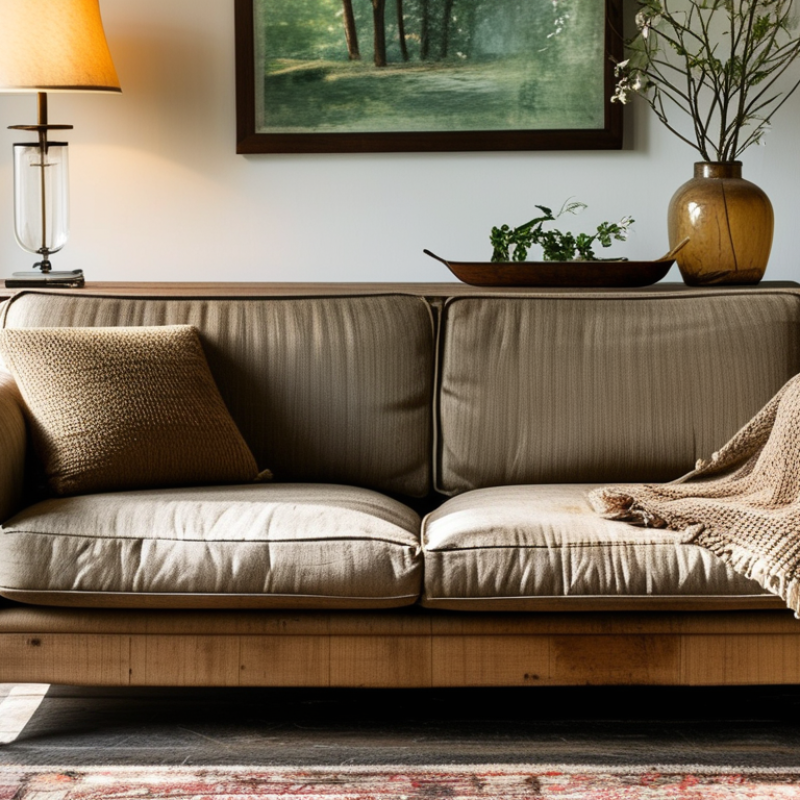
7 Tips to Update Old Living Room Furniture Without Replacing

Assess the Furniture’s Condition and Choose a Practical Update Plan

Before updating old living room furniture, inspect it in daylight.

Tip 1: Check the frame for wobbling, cracks, loose joints, or water damage. Sit gently and listen for creaks.
Tip 2: Examine upholstery for odors, mold, frayed seams, and stains that cleaning cannot remove. A beautiful cover will not fix a weak structure.
Tip 3: Test drawers, hinges, and hardware several times. Small faults often become expensive repairs.

Choose the update plan according to the furniture’s condition, not its sentimental value alone.

Tip 4: Clean solid wood with a mild solution, then let it dry fully before sanding or sealing.
Tip 5: Tighten joints and replace missing screws with suitable hardware. Do not hide movement under fresh paint.
Tip 6: If the frame is sound, consider new fabric, cushions, or a carefully chosen color.

I once painted a cabinet too quickly, and the uneven surface remained visible. Patience would have helped.

Set a realistic budget before buying materials.

Tip 7: Compare repair costs with the furniture’s practical value and daily use.
A professional inspection is wise when damage affects load-bearing parts.

Photograph the furniture first, measure every panel, and test color on a hidden area. Leave ventilation around drying materials. Some older finishes react badly to modern products, which I learned after an unnecessary second sanding. If the piece feels unstable, stop using it until the problem is repaired.

Refresh the Look with Paint, Stain, or Removable Surface Treatments

Old living room furniture can look surprisingly fresh with paint, stain, or a removable surface treatment. Start by cleaning away wax, dust, and oily fingerprints. A mild cleaner and a slightly abrasive sponge usually work well. Let the surface dry completely. I once skipped this step, and the paint peeled around the drawer handles.

Paint works best when the furniture has a stable, dull surface. Lightly sand glossy areas, then apply a suitable primer. Use thin coats with a small foam roller for flatter panels and a quality brush for edges. Allow each coat to dry before adding another. Do not rush the curing time. The finish may feel dry but remain soft underneath. For a natural appearance, stain can highlight wood grain after careful sanding. Test it inside a drawer first, because different woods absorb color unevenly.

Removable treatments offer less commitment. Peel-and-stick film can cover a damaged tabletop or cabinet panel, while removable fabric panels can soften hard-backed seating. Measure twice, and press the material down gradually to reduce bubbles. Warm air may help smooth stubborn corners, but excessive heat can distort the surface. Choose textures that match daily use. A delicate finish may look beautiful for a week and disappoint you later. Keep a small offcut for future repairs, since removable materials can lift at busy edges.

Improve Comfort by Replacing or Updating Cushions and Upholstery

Old living room furniture often needs better support, not a complete replacement. Start with the cushions. Measure the seat width, depth, and thickness before ordering foam or inserts. A medium-firm high-resilience foam can reduce sinking while preserving comfort. Add a thin fiber wrap for a softer first touch. Test one cushion for a week. My first choice is not always right.

The U.S. Environmental Protection Agency’s 2018 Sustainable Materials Management report recorded 12.1 million tons of furniture and furnishings entering the municipal waste stream. About 80.2% went to landfills. Reupholstering a sound frame can extend its useful life and reduce unnecessary disposal. Choose tightly woven fabric for busy rooms. A removable, washable cover helps with crumbs, dust, and daily spills. Check seams, zipper quality, and cleaning instructions before purchase.

Comfort also depends on the base beneath the cushion. Inspect sagging webbing, broken springs, and loose joints while the fabric is removed. The American Society of Interior Designers’ 2024 Trends Outlook emphasizes adaptable, durable interiors as homeowners keep improving existing spaces. That supports practical updates, but durability still requires honest testing. Sit in several positions. Notice pressure behind your knees. Leave room for movement. A cushion may look attractive yet feel flat after ten minutes. Use a local upholsterer when the frame needs structural repair, and request fabric performance details in writing.

7 Tips to Update Old Living Room Furniture Without Replacing

Improve comfort by replacing or updating cushions and upholstery.

The chart shows practical minimum upholstery durability targets measured in Wyzenbeek double-rub cycles. Higher-traffic seating, homes with children, and pet-friendly rooms generally benefit from fabrics rated for more abrasion cycles. These benchmarks can help you choose suitable replacement cushions, slipcovers, or upholstery fabric before starting a furniture refresh.

Reference basis: commonly used residential upholstery abrasion guidelines; ratings vary by fabric construction, testing method, and manufacturer.

Modernize the Details with New Hardware, Legs, Trim, or Decorative Accents

Updating old living room furniture often requires less than a full replacement. Start by cleaning the frame and checking loose joints. Replace tired knobs or pulls with solid metal hardware. Match the finish to nearby lighting for a deliberate look. Next, swap short legs for tapered wood or slim metal legs. This can raise a bulky cabinet and improve visual balance. Measure twice. I once chose legs that looked elegant but made a cabinet unstable.

Trim can create a stronger silhouette. Add narrow molding around a plain door or drawer, then sand the edges carefully before painting. Keep the profile shallow, or the piece may look overly decorated. Decorative accents offer another low-cost change. Try a textured cushion, a framed panel, or a small sculptural object. Repeated colors help unrelated pieces feel connected.

The U.S. Environmental Protection Agency reported that furniture and furnishings generated 12.1 million tons of municipal waste in 2018, with most sent to landfills. Extending a usable piece can reduce disposal pressure, although new materials still carry impacts. The Ellen MacArthur Foundation also emphasizes longer product use as a core circular-design strategy. Choose repairable hardware, water-based finishes, and durable fabrics when possible. Test paint on the back first. Imperfect texture is acceptable; peeling finish is not. Check every screw after installation, especially on furniture used daily.

Rearrange and Style the Room to Make Older Furniture Feel Intentional

Old living room furniture can look deliberate when the room gives it a clear role. In rooms I have restyled, the biggest change often came from moving pieces, not buying them. Turn the sofa toward the room’s strongest feature, such as a window, fireplace, or artwork. Keep walking paths open. An arrangement that feels slightly unexpected may create more character than perfect symmetry.

Pull chairs away from the walls when space allows. This creates a conversation area and makes older seating feel selected. Balance heavy furniture with a lighter table or open shelving nearby. A faded rug can still work if its colors appear in cushions, curtains, or a small painted object. Repeat one shape, such as rounded lamps beside a curved chair. Small links make mismatched pieces feel related.

Lighting changes the furniture after sunset. Use a floor lamp beside a reading chair and a low lamp near the sofa. Warm, layered light softens scratched wood and uneven fabric. Hang art lower than expected, then check it from a seated position. Remove a few accessories instead of filling every surface. I once kept too many inherited objects and made the room feel crowded. The furniture was not the problem. The editing was. Leave one imperfect detail visible, like a worn armrest or repaired table edge. It can make the room feel lived-in rather than staged.

FAQS

How can I tell whether old living room furniture is worth updating?

Inspect the frame in daylight for wobbling, cracks, loose joints, or water damage. Sit gently and listen for creaks. A beautiful cover cannot repair weak structure. If the furniture feels unstable, stop using it until repaired.

What should I check before cleaning or repainting solid wood furniture?

Photograph the piece and measure each panel before starting. Clean it with a mild solution, then let it dry completely. Test paint or finish on a hidden area. Patience matters; uneven surfaces can remain visible after painting.

When should I repair the frame instead of replacing the furniture?

Repair it when the frame is sound and the damage involves loose joints, screws, or hardware. Compare repair costs with daily usefulness. Seek professional help when load-bearing parts are damaged. Sentimental value alone may not justify expensive work.

How can new cushions improve an old sofa or chair?

Measure seat width, depth, and thickness before buying inserts. Medium-firm foam can reduce sinking while preserving comfort. A thin fiber layer adds softness. Test one cushion for a week. My first choice is not always right.

What upholstery features are practical for a busy living room?

Choose tightly woven fabric with strong seams and reliable zippers. Removable, washable covers help manage crumbs, dust, and spills. Read cleaning instructions carefully. Check for odors, mold, stains, and frayed seams before covering anything.

How do I know whether the cushion base needs attention?

Inspect webbing, springs, and joints after removing the fabric. Sit in several positions and notice pressure behind your knees. A cushion may look attractive yet feel flat after ten minutes. Comfort needs honest testing.

Can new hardware or legs modernize furniture without major renovation?

Replace worn knobs or pulls with sturdy hardware that suits nearby lighting. Tapered wood or slim metal legs can lift a bulky cabinet visually. Measure twice. Incorrect leg choices may make the furniture unstable.

How can decorative details avoid making old furniture look excessive?

Use shallow molding, a textured cushion, or one framed panel. Repeat colors across nearby pieces for a connected appearance. Test finishes on the back first. Imperfect texture is acceptable; peeling finish is not.

Conclusion

Updating older living room furniture does not always require buying new pieces. The first step in learning How to update old living room furniture without replacing is to assess each item’s condition and decide which improvements are practical. Sound furniture may only need cosmetic changes, such as fresh paint, a new stain, or a removable treatment for visible surfaces. These updates can create a cleaner, more coordinated appearance while preserving the character of the original pieces.

Comfort and small details also make a major difference. Replace worn cushions, add supportive inserts, or refresh upholstery with durable fabric. New hardware, legs, trim, or carefully chosen decorative accents can give cabinets, tables, and seating a more current look. Finally, rearrange the room and style the furniture with balanced accessories, lighting, and textiles. When older pieces are placed thoughtfully and connected through color and texture, they can feel intentional, comfortable, and stylish rather than outdated.

Aria

Aria

Aria is a dedicated marketing professional with a deep passion for innovative strategies and a keen understanding of our company's product offerings. With a wealth of experience in the industry, Aria excels at crafting engaging content that highlights the unique features and benefits of our......