Top 10 Ways to Stop Dining Chairs from Sliding on Floors?

Time:2026-09-09 Author:Sophia
0%

Dining chairs should move when needed, but they should not skate across the floor during every meal. Scratches, sudden noise, and uneven chair movement can damage finishes and create avoidable instability. That is why homeowners often search for “How to stop dining chairs from sliding on floors” before replacing their furniture.

Industry evidence supports taking this small problem seriously. The National Floor Safety Institute identifies slips and falls as a major source of injury, although its data does not specifically measure dining-chair movement. Flooring reports from the Resilient Floor Covering Institute also emphasize protecting surfaces from abrasion, pressure, and repeated friction. These findings suggest a practical balance: increase controlled grip without trapping the chair completely.

Ergonomist Dr. Alan Hedge has emphasized the principle, “Fit the task to the user.” It applies here. A heavy wooden chair on polished tile needs a different solution from a lightweight chair on textured vinyl. Felt pads, rubber caps, gripper mats, floor-safe tapes, and furniture glides may all work, but none is perfect for every surface. Some pads collect dust. Some rubber products leave marks. I have seen a chair glide smoothly for weeks, then become stubborn after crumbs gathered beneath its feet.

This guide examines the top 10 ways to stop dining chairs from sliding on floors. It considers traction, noise, floor compatibility, cleaning, appearance, and long-term reliability. Test one chair first. A small test can prevent a large repair.
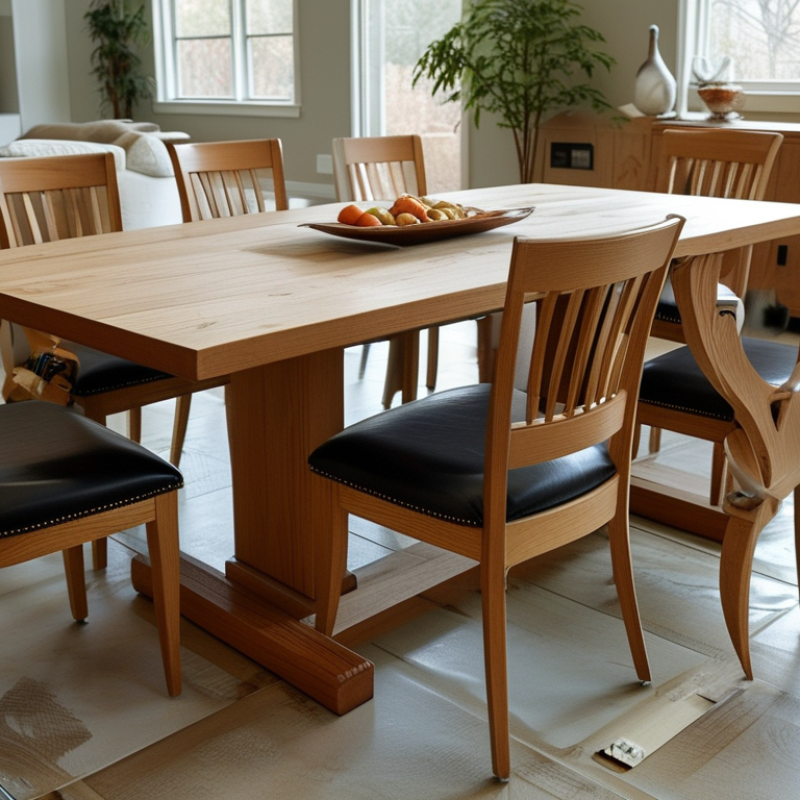
Top 10 Ways to Stop Dining Chairs from Sliding on Floors?

Identify Why Dining Chairs Slide on Different Floor Types

Dining chairs slide because floor traction, leg material, dust, and chair weight interact. The floor type usually reveals the real cause. Polished ceramic or porcelain tile offers a hard, low-grip surface, especially with fine kitchen dust. Hardwood can become slippery after wax, oil, or worn finish. Laminate often has a smooth protective layer that reduces resistance under plastic feet. Vinyl may grip better, but cleaning residue can create a slick film. Grout lines and uneven boards can also make one chair leg lose contact.

A simple test helps. Push each chair gently across the same area, then repeat it after cleaning. My first guess is often wrong. The cleaner floor may slide more. Inspect the leg ends for flat spots, cracks, or hardened rubber. On rugs, sliding may come from a thin backing or loose fibers rather than the chair itself.

ASTM A326.3-2021 uses 0.42 wet dynamic coefficient of friction as a benchmark for level interior walking surfaces. However, that standard does not measure chair movement. The distinction matters. Chair feet create concentrated pressure, unlike shoes.

The U.S. Centers for Disease Control and Prevention reports that more than one in four adults aged 65 and older falls each year. A moving chair can contribute to unstable sitting or standing. Match the fix to the floor: soft felt for finished wood, textured rubber for smooth tile, and a grippy rug pad beneath area rugs. Test it. Furniture protectors sometimes collect grit, so inspect them weekly.

Choose the Right Non-Slip Solution for Your Chair Legs

Dining chairs slide when their leg tips lack friction or sit unevenly on the floor. The right non-slip solution depends on the surface, leg shape, and chair weight. On smooth tile or sealed wood, rubber or silicone caps usually provide strong grip without scratching. Choose a snug size. A loose cap can collect dust and make the chair wobble. Measure the leg diameter before buying.

For narrow metal legs, adhesive rubber pads may be practical. Clean and dry the contact area first. Otherwise, the pad may peel within days. Heavier chairs often need screw-on glides or thicker protective feet. Avoid using felt alone when sliding is the main problem. Felt protects wood, but it can make chairs move more easily. I once installed extra-thick pads on a dining set. The chairs stopped sliding, but they rocked slightly. That mistake reminded me to test height, not just grip.

Uneven floors require another approach. Adjustable non-slip feet can stabilize chairs with different leg lengths. Check every chair on the same section of flooring. Press each corner gently and watch for movement. After installation, pull the chair backward several times. Listen for scraping and inspect the floor for marks. Replace worn caps when cracks appear. Small details matter. A solution that grips well but changes the chair’s height may create a new problem.

Install Felt Pads, Rubber Caps, or Grip Mats Correctly

Dining chairs slide when their feet lose consistent contact with the floor. In my experience, felt pads work well on clean wood, tile, and laminate. Choose pads slightly wider than each leg, not oversized circles that catch debris. Clean the chair feet and floor first. Even a thin layer of cooking oil can weaken adhesion. Press each pad firmly, then leave the chair unused for several hours.

Rubber caps provide stronger resistance, especially on smooth tile or polished concrete. They should fit tightly without stretching around the leg. Loose caps can twist and create uneven contact. Check all four feet after installation. One short leg can make the chair wobble, even when the others grip properly. I once used caps that were too soft, and they marked the floor after repeated movement. Material choice matters.

Grip mats are useful beneath chair legs or under a small dining table. Select a mat with a textured underside and enough thickness to stay flat. Trim it carefully if the edges interfere with chair movement. Felt, rubber, and mats should be inspected every few weeks for dust, compression, or cracking. Some floors respond differently, so test one chair first. A solution that feels secure today may still need adjustment tomorrow.

Improve Chair Stability Through Leg and Floor Maintenance

Top 10 Ways to Stop Dining Chairs from Sliding on Floors?

Improve Chair Stability Through Leg and Floor Maintenance

Dining chairs often slide because two surfaces fail together: worn leg tips and a smooth, contaminated floor. Inspect every leg weekly for cracks, uneven height, loose screws, and flattened glides. Replace damaged glides in matching sizes. Felt pads can help on timber, but they may increase sliding on polished surfaces. Test one chair first. That small check prevents a costly mistake.

Clean the floor with a pH-neutral solution recommended for its surface. Remove grease near the table, then dry the area completely. Avoid wax buildup, excess detergent, and oily sprays. They can create a thin, invisible slip layer. On tile or vinyl, use textured rubber or silicone feet designed for hard floors. On carpet, wider feet may reduce sinking and rocking. Tighten joints every month, especially after moving furniture.

The U.S. Centers for Disease Control and Prevention reports that more than 14 million older adults report a fall each year. A sliding chair is not the only cause, but it can create an avoidable loss of balance. The National Floor Safety Institute also estimates that slips and falls send over one million people to hospital emergency departments annually. These figures support routine floor and furniture checks, not panic. ASTM stability testing helps assess chair performance, yet household conditions differ from laboratories. Humidity, dust, and uneven flooring still matter. I once trusted identical pads on two floors; one worked, the other felt dangerously slick. Measure, test, and reconsider.

Test and Adjust the Chair Protection for Long-Term Results

Dining chairs often slide because floor contact changes with dust, moisture, and uneven legs.

The best protection starts with matching the solution to the floor, not guessing from appearance. On smooth wood or tile, felt pads can soften movement and reduce scratching. Rubber or textured caps usually grip better on polished surfaces. For carpet, wider glides may prevent legs from catching. Check every leg.

Before fitting protection, clean the floor and wipe each leg dry. Measure the leg ends, since small size errors make pads loosen quickly.

Apply one set to a single chair and test it for several days. Push the chair normally, then pull it back from the table. If it jerks, tilts, or leaves marks, adjust the material or thickness. Do not rely on one quick test.

It fooled me once.

Long-term results need inspections every few weeks. Look for compressed felt, trapped grit, cracked rubber, or exposed adhesive. Replace damaged pieces before the chair starts scraping.

Protection can also change chair height slightly, affecting balance at the table. Test every chair on the same floor area, because rugs and thresholds can hide problems. I once chose thick glides for quieter movement, but the chairs became unstable. That mistake showed why comfort, grip, and height must be checked together.

FAQS

: Why do dining chairs slide across the floor?

: Dust, moisture, uneven legs, or changing floor contact can cause sliding. Even one short leg matters.

Which protection works best on wood, tile, or laminate?

Felt pads suit clean wood, tile, and laminate. Choose pads slightly wider than each leg. Oversized pads may collect grit.

How should felt pads be installed?

Clean the floor and chair feet first. Remove oil, dust, and moisture. Press each pad firmly, then wait several hours before moving the chair.

When are rubber caps more useful?

Rubber caps usually provide stronger grip on smooth tile or polished concrete. They must fit tightly. Loose caps can twist.

What problems can rubber caps cause?

Very soft caps may mark the floor after repeated movement. Check all four feet after installation. Material choice matters.

Are grip mats suitable beneath dining chairs?

Yes, grip mats can sit beneath chair legs or a small dining table. Choose a textured underside and enough thickness to stay flat. Trim interfering edges carefully.

How can I test a chair protection solution?

Apply one set to a single chair and test it for several days. Push the chair normally, then pull it from the table. It fooled me once.

What signs show the protection needs replacement?

Inspect it every few weeks for dust, compression, cracking, or exposed adhesive. Replace damaged pieces before scraping begins. Check the floor too.

Can thicker glides make chairs unstable?

Yes, protection can change chair height and balance. Thick glides may reduce noise but create wobbling. Comfort, grip, and height need checking together.

Conclusion

Learning how to stop dining chairs from sliding on floors begins with identifying the cause. Smooth wood, tile, laminate, and polished stone each create different levels of friction, while uneven flooring or worn chair legs can make movement worse. Once the floor type and chair condition are understood, choose a suitable non-slip solution, such as felt pads for controlled movement, rubber caps for stronger grip, or grip mats for especially slippery surfaces. The material should match the chair leg shape and the floor’s finish.

For lasting results, clean both the floor and chair legs before installation, then attach pads or caps firmly and evenly. Check that all legs remain level, tighten loose joints, and replace damaged protectors when necessary. After installation, test the chair from different angles and adjust the protection if it still shifts or becomes difficult to move. Regular cleaning and inspections will help maintain stability while protecting the floor from scratches and unnecessary wear.

Sophia

Sophia

Sophia is a dedicated marketing professional with an exceptional depth of knowledge about her company's products and services. With a keen understanding of market trends and customer needs, she crafts insightful blog posts that not only inform but also engage readers, enriching the company’s online......