When should I replace my living room furniture? This question often arises when your space feels outdated or uncomfortable. Living room furniture plays a crucial role in your home’s style and functionality. Over time, wear and tear, changing trends, and personal preferences can all indicate it’s time for a change.
Consider the state of your current pieces. If you notice noticeable damage or a lack of coziness, it may be time to rethink your choices. Style matters too. Current trends can influence your decisions. Outdated designs can clash with modern décor, making your space feel less inviting. However, it’s essential to evaluate what styles resonate with you personally.
Reflecting on these factors will guide you in making informed choices. Think about how your living room serves you. Is it a space for relaxation or entertaining? Ensuring your furniture aligns with your needs enhances both comfort and style. Every change reflects your evolving taste and lifestyle, making your living room truly your own.
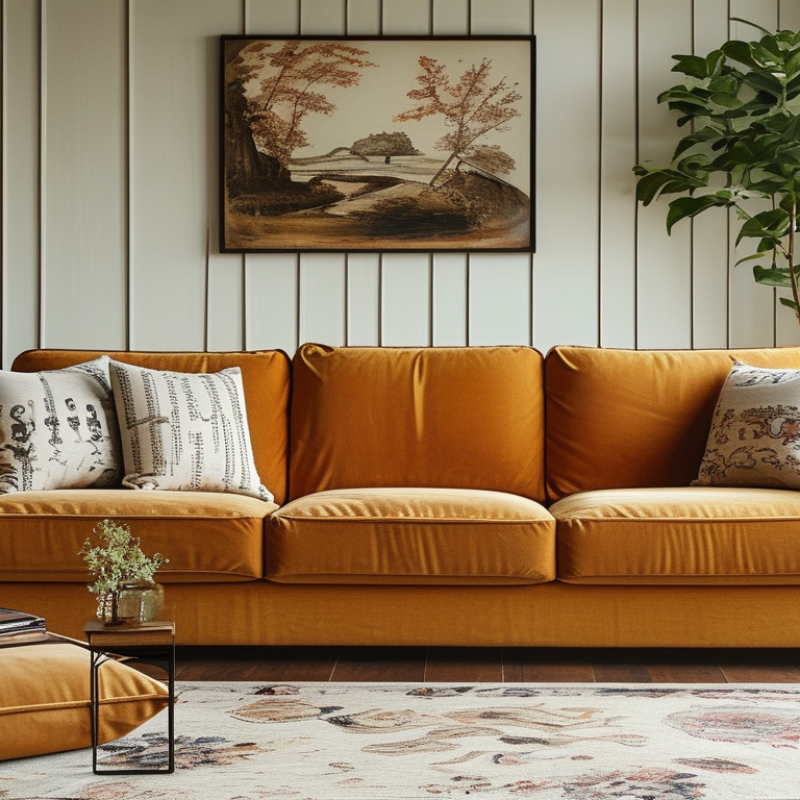
The lifespan of living room furniture can vary widely based on several key factors. Materials play a crucial role in durability. For instance, solid wood can last over 20 years, while particleboard typically lasts only 5 to 10 years. Choosing the right fabric also matters. Upholstery made of high-quality polyester or leather can withstand daily wear better than softer fabrics.
Usage frequency is another vital factor. Living rooms that are frequently occupied may prompt earlier replacements. A recent industry report noted that over 40% of homeowners replace their living room sofas every 5 to 10 years due to wear and tear. Additionally, environmental factors such as humidity and sunlight exposure can degrade materials. Furniture placed in direct sunlight tends to fade more quickly, leading to a diminished aesthetic appeal.
When considering style, trends also influence furniture lifespan. Modern trends shift quickly, and many people feel pressure to update their decor regularly. This desire can lead to unnecessary replacements, even if furniture is still functional. Reflecting on these influences is vital for making sustainable and stylish choices.
When considering the aesthetics of your living room, knowing when to replace furniture is crucial. Signs of wear and outdated designs can diminish the overall appeal of your space. According to a recent survey by the American Home Furnishings Alliance, 40% of homeowners stated they felt their furniture looked dated within five years. This perception reflects the rapid changes in design trends.
Faded upholstery and scratched surfaces signal it's time for an upgrade. Additionally, if your furniture no longer matches your style or the room's theme, consider replacing it. About 35% of consumers reported feeling more at home with modern furnishings. Fresh elements bring new life to a living space. Choosing pieces that resonate with current trends and personal taste is essential.
It's important to evaluate how your furniture interacts with other design elements. If your couch clashes with newly updated colors, it undermines the room’s harmony. A staggering 77% of individuals believe that cohesive design enhances their mood. Reflecting on these factors can guide you in creating a stylish and comfortable living room.
This bar chart illustrates common signs that it's time to replace living room furniture, highlighting the percentage of homeowners who recognized these signs as triggers for replacement.
Trends in furniture design evolve quickly. They influence when to replace living room furniture. Recent studies show that 65% of homeowners often feel their furniture is outdated within five years. Trends shift due to various factors like seasonal styles, color palettes, and even popular culture. Keeping an eye on these trends can guide your replacement timing effectively.
When considering updates, don’t just follow trends blindly. Evaluate your lifestyle and personal style. If your furniture still serves its purpose and you enjoy its aesthetic, wait before replacing it. Sometimes, adding accessories or a fresh coat of paint can enhance your space without a full overhaul.
Tips to consider: Rotate your furniture to refresh the look. This simple change can make a big impact. Explore thrift shops for unique finds that may be trending again. Lastly, be mindful of materials; synthetic fabrics are gaining popularity due to their durability and ease of cleaning. Balancing trendiness with practicality ensures your living space stays stylish yet functional.
When deciding whether to keep or replace old living room furniture, consider both the cost and benefits. Old furniture may carry sentimental value, but is it still functional? If the sofas have stains or the chairs creak, it might be time for an upgrade. Assessing their use and comfort is crucial. You may save money by holding onto them, but the discomfort they bring can affect your daily life.
Aesthetic appeal also plays a significant role. Outdated furniture can detract from the overall style of a room. You might feel embarrassed when guests visit. Replacing worn-out pieces with fresh, modern designs can elevate your space. However, the cost of new furniture can be high. Weighing the financial aspect against the emotional value of your old furniture is essential. You should explore budget options before making decisions.
Review your priorities. Do you value comfort over appearance, or vice versa? Reflect on your lifestyle. If you entertain often, consider investing in quality pieces. However, if your living room doesn’t get much use, it might not warrant a replacement. Striking a balance between style and necessity requires careful thought and planning.
Disposing of old living room furniture sustainably is crucial for reducing environmental impact. According to the Environmental Protection Agency, furniture contributes significantly to landfill waste. Around 9.7 million tons of furniture waste ends up in landfills each year in the United States alone. This statistic urges us to reconsider disposal methods.
One option is donating old furniture. Many local charities and nonprofits accept gently used pieces. This not only gives your furniture a second life but also helps those in need. Facebook Marketplace or Craigslist can connect you with individuals looking for affordable options. However, it's important to be aware of any damage. Be honest about the condition of your items.
Another sustainable practice is recycling. Local recycling centers may accept certain materials from furniture such as wood, metal, and fabric. This can significantly reduce waste. If furniture cannot be repaired or reused, research eco-friendly disposal services. They often ensure materials are recycled properly. Reflect on the true impact of discarding your furniture. Choosing sustainable methods creates positive change and fosters a responsible consumer culture.
| Furniture Type | Recommended Replacement Period (Years) | Sustainable Disposal Options |
|---|---|---|
| Sofa | 7-15 | Donate, Repurpose, Recycle |
| Coffee Table | 10-15 | Sell, Refurbish, Upcycle |
| Bookshelf | 15-20 | Donate, Gift, Use for Firewood (if made of natural materials) |
| Armchair | 7-10 | Reupholster, Donate, Sell Online |
| Side Table | 8-12 | Recycle, Donate, Creative Repurposing |
: Materials and usage frequency are key factors. Solid wood lasts over 20 years; particleboard lasts 5 to 10 years.
High-quality polyester and leather resist wear better than softer fabrics. Choosing wisely can extend furniture life.
Signs like faded upholstery and scratches suggest it's time for an upgrade. Adated styles can reduce overall appeal.
About 40% replace them every 5 to 10 years due to wear and tear, reflecting their usage.
Consider donating to charities or selling on platforms. Be honest about damage when offering items.
Recycling materials is a good option. Research eco-friendly disposal services to minimize environmental impact.
Rapid changes in trends can pressure you to update decor. However, balancing personal style and functionality is essential.
About 35% report feeling more at home with updated styles. Fresh elements can rejuvenate a living space.
Furniture in direct sunlight fades and deteriorates quickly. Consider positioning to maintain aesthetic appeal.
Furniture contributes heavily to landfills. Sustainable practices are vital for reducing waste in our communities.
Replacing living room furniture can be a daunting decision, often prompting the question, "When should I replace my living room furniture?" Several factors can influence the lifespan of your furniture, including wear and tear, changing personal tastes, and the evolution of design trends. Signs that it's time for an upgrade may include noticeable damage, outdated styles, or discomfort when using the pieces.
Considering the role of current trends can also guide your decision; what is stylish today may evolve in the coming years. A cost-benefit analysis can help weigh the financial implications of keeping versus replacing older items. Additionally, adopting sustainable practices for disposing of old furniture should be a consideration to ensure an eco-friendly transition to your new living room setup.

Living Land Furniture