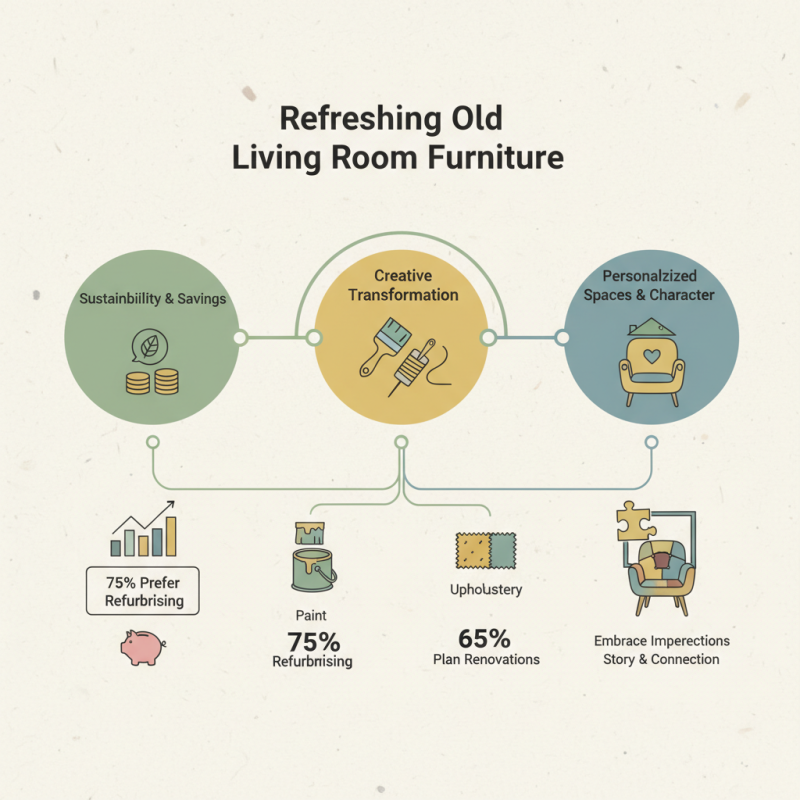
Refreshing old living room furniture can be both sustainable and cost-effective. Many homeowners seek ways to breathe new life into their spaces without the expense of replacements. According to a report by the American Home Furnishings Alliance, nearly 75% of consumers prefer refurbishing existing furniture over buying new. This trend reflects a growing appreciation for sustainability in home design.
When considering "how to update old living room furniture without replacing," creativity plays a key role. A simple coat of paint or new upholstery can dramatically transform a piece. The National Association of Home Builders found that over 65% of homeowners plan renovations rather than purchasing new items. This shift highlights a desire for personalized spaces that reflect individual styles, rather than traditional full replacements.
Amid these insights, it is crucial to recognize the imperfections in our furniture's aging. Scuffed tables or faded cushions can denote character. Embracing these flaws not only fosters creativity but also invites a deeper connection to our living spaces. Each scratch and blemish tells a story, reminding us of previous moments. Finding ways to marry these imperfections with fresh updates can lead to unique, personalized furniture that fits our lifestyle.
Assessing the Condition of Your Old Living Room Furniture
Assessing the condition of your old living room furniture is crucial before considering any refreshment strategies. According to a recent survey by the American Home Furnishings Alliance, nearly 70% of homeowners prefer to refurbish rather than replace their furniture. Start by examining the structural integrity. Look for any wobbling legs or loose joints, which may indicate that repairs are necessary. Scratches and dents are common signs of wear but can often be fixed with appropriate techniques.
Here’s a tip: inspect the upholstery closely. If you notice fraying or fading, it may be time for a deep clean or reupholstery. Many experts recommend that a thorough cleaning can revive the appearance significantly. Data from the International Furniture and Furnishings Association suggests that furniture can last over 15 years with proper maintenance, highlighting the potential for a successful refresh.
Assess your color palette too. If your furniture looks outdated, a fresh coat of paint can work wonders. Remember, new paint can completely alter the perception of your living space. However, if you decide to embrace a different shade, be cautious about overdoing it. Mixing too many colors can lead to visual clutter and overwhelm the room’s harmony. Consider opting for neutral tones that complement your existing decor.
Choosing the Right Refreshing Techniques for Different Materials
Refreshing old living room furniture can be a fun and creative project. Different materials require different approaches. For wooden furniture, consider a fresh coat of paint or a new stain. Sanding down the surface can also bring back its natural beauty. Remember, even slight imperfections in the wood can add character. Embrace those flaws; they tell a story.
For upholstered furniture, cleaning is key. Start with a good vacuuming session. Stains can be tackled with fabric cleaner, but test it in a small area first. If the upholstery is faded, think about a slipcover or even new fabric. In some cases, it might feel overwhelming. It may lead to doubt about your skills. Small, overthought decisions can stall progress.
For metal pieces, a good cleaning and polishing can work wonders. If paint is peeling, stripping it down and repainting might be necessary. Not every piece will look perfect again, but that’s okay. A few rough edges or uneven paint can make your furniture unique. It’s about giving your living room a refreshed feel without the cost of replacement.
How to Refresh Old Living Room Furniture without Replacement?
| Material Type |
Refreshing Technique |
Estimated Cost |
Time Required |
| Wood |
Refinishing with Stain |
$50 - $200 |
2-4 hours |
| Upholstery |
Reupholstering |
$300 - $600 |
1-3 days |
| Metal |
Rust Removal & Painting |
$30 - $100 |
2-3 hours |
| Leather |
Leather Conditioning |
$20 - $50 |
1 hour |
| Fabric |
Fabric Spray & Cleaning |
$15 - $40 |
2-3 hours |
DIY Ideas for Reupholstering and Painting Old Furniture
Revamping your living room furniture can breathe new life into your home without breaking the bank. Reupholstering old furniture is a popular choice. According to a report by the furniture industry, about 60% of homeowners have opted for DIY upholstery projects in the past year. This trend not only enhances aesthetics but also extends the life of cherished pieces.
Choosing fabric wisely is crucial. For high-traffic areas, durable materials like canvas or microfiber can be practical options. If you're feeling adventurous, try mixing textures. Mixing old and new fabrics adds character but can be risky. It may not always yield the intended visual impact. Don't shy away from experimentation, but be prepared for some trial and error.
Painting furniture also revitalizes old pieces. Research indicates that painted furniture can increase a piece's value by 10-20% if done correctly. Chalk paint offers a matte finish that appeals to many homeowners. However, the application process can be challenging for beginners. Proper surface preparation is essential; poor prep can lead to peeling. Don't forget to consider your furniture's base color. An unexpected shade can produce surprising results, though not every design will hit the mark. Embrace the imperfections that may arise along the way.
DIY Furniture Refresh Project Cost Comparison
Accessorizing to Enhance the Look of Existing Furniture
Accessorizing can dramatically enhance old living room furniture. A simple change can create a fresh look without spending a lot. Consider adding
vibrant throw pillows. According to a 2023 industry report,
bright colors can increase the perceived value of a room. Pillows in shades like teal or mustard
can breathe life into dated sofas.
Another effective way is to introduce
layered lighting. Task lamps or decorative fairy lights can elevate the ambiance.
A study by the Lighting Research Center revealed that warm lighting can
improve mood by 30%. This can be especially vital in spaces that feel drab.
Mixing textures, like a woven basket or metallic accents, can also create
interesting contrasts. These small adjustments allow for personal expression while revitalizing the overall aesthetic.
Artwork plays an essential role, too. A bold piece can turn an old piece of furniture into a statement. A report from
Art Basel shows that investing in art increases home value by 15%.
Consider arranging an eclectic gallery wall that reflects your personality. However, remember that not all arrangements work.
Sometimes, less is more. The balance between simplicity and visual interest is crucial.
Maintaining Your Refreshed Furniture for Longevity
Refreshing old living room furniture can breathe new life into your space. Once you’ve transformed your pieces, maintaining them is key for durability. Regular care ensures your refreshed furniture looks great for years.
Start by dusting your furniture weekly. Dust can dull finishes over time. Use a microfiber cloth to avoid scratches. For wood pieces, consider natural oils to nourish the surface. They can enhance shine and prevent cracking.
Pay attention to spills immediately. Blot spills gently; don’t wipe, as this can spread stains. For upholstered pieces, vacuum regularly to eliminate dirt. This simple act can prolong fabric life. If you notice fading, consider rotating cushions or using throw blankets for extra protection.
Finally, be mindful of sunlight and temperature changes. Position furniture away from direct sunlight to avoid fading and warping. Fluctuations in humidity can cause materials to expand or contract. Keeping a consistent environment supports the integrity of your pieces. Regularly check for signs of wear. Addressing small issues early can prevent them from becoming significant problems.
FAQS
: Check for structural issues like wobbling legs or loose joints. Scratches and dents can often be fixed.
Inspect for fraying or fading. A deep clean could revive its appearance significantly.
A fresh coat of paint can change your space's look. Choose neutral tones to avoid visual clutter.
Sanding down the surface can restore its beauty. Embrace minor imperfections; they add character.
Vacuum thoroughly and use fabric cleaner on stains. Always test in a small area first.
Painted furniture can increase its value by 10-20%. However, proper preparation is essential to avoid peeling.
Mixing textures adds character but can be risky. Be prepared for some trial and error in your designs.
Not every piece will look flawless. Accepting rough edges can make your furniture unique and charming.
It can be overwhelming. Doubts about skills may stall progress. Small decisions can feel heavy during creativity.
Durable options like canvas or microfiber work well. Choose wisely to ensure longevity and comfort.
Conclusion
Refreshing your old living room furniture can breathe new life into your space without the need for costly replacements. To begin, assess the condition of your furniture to determine which pieces can be revitalized. Once evaluated, choose suitable refreshing techniques tailored to the material of each item, whether it's wood, fabric, or leather. This may include DIY projects like reupholstering and painting, which can significantly alter the appearance and comfort of your pieces.
Accessorizing with new cushions, throws, or artwork can further enhance the aesthetic of your existing furniture, tying the room's look together. Lastly, maintaining your refreshed furniture with proper care ensures longevity and keeps your living area stylish. By understanding how to update old living room furniture without replacing, you not only save money but also make eco-friendly choices that benefit the environment.

 Living Land Furniture