Matching furniture is a popular choice for many homeowners seeking a cohesive look. However, it’s essential to ask, "Why is matching furniture not always a good idea?" According to industry reports, over 40% of interior designers believe excessive matchiness can detract from personal style and creativity in a space. Experts warn that overly coordinated furniture may create a bland environment, lacking character and warmth.
Design expert Julia Kauffman emphasizes, “A little contrast can go a long way in making a space feel alive.” Her insights reflect a growing trend in personalization. Color and texture variation can enhance visual appeal, while matching sets might limit expression. Furthermore, the risk of monotony is real; spaces that lack diversity can feel sterile and uninviting.
Practicality is also a concern. Matching furniture can restrict options when sourcing items, as trends and needs shift over time. This can lead to a mismatch between current lifestyle and outdated aesthetics. Balancing styles, materials, and colors encourages a harmonious yet dynamic atmosphere that resonates with individuality. Reflecting on the pitfalls of strict matching can significantly elevate one’s interior design journey.
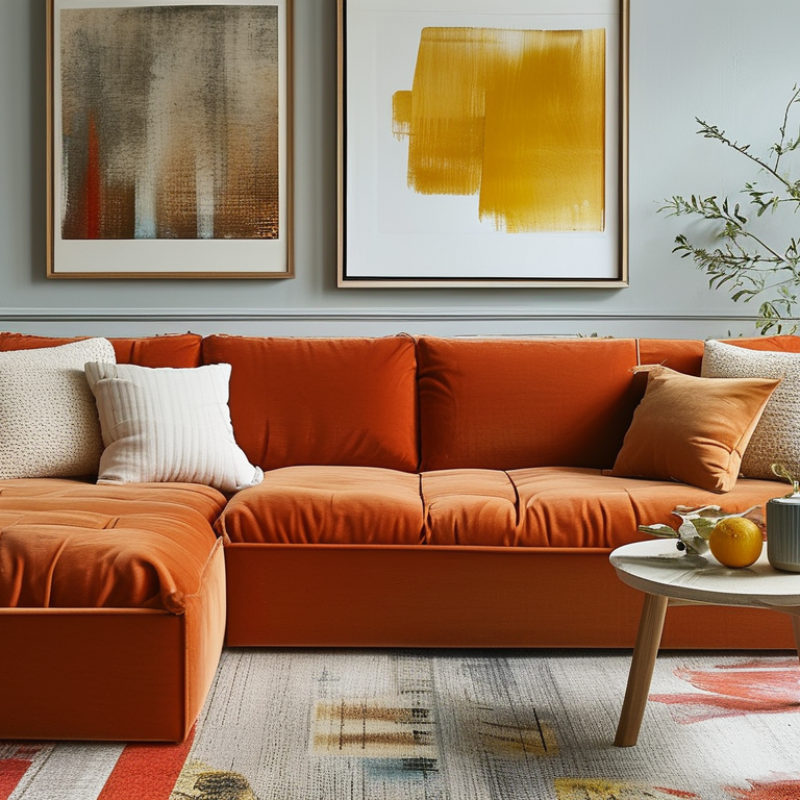
Potential Loss of Individuality in Home Decor
Choosing matching furniture might seem
like a safe option for home decor, but it can lead to a loss of individuality. A coordinated
look often sacrifices personal expression. Your home should reflect who you are, yet
matching sets can stifle creativity. Clashing styles
can create a unique charm, one that feels truly yours.
To maintain individuality, consider adding eclectic pieces to
your decor. Mix a traditional chair with a modern table.
This blend invites storytelling through your choices. Don’t shy away from colors and patterns that
express your personality. Bold selections can create stunning contrasts while complementing
matched items.
Remember, decor doesn’t need to be perfect.
Embrace imperfections, like mismatched cushions or art at varying heights. This approach fosters
character in your space. Authenticity draws guests
and nurtures comfort—key components for any home. Your space should tell your story, reflecting
your unique journey.
Risk of Creating a Monotonous Aesthetic
Creating a cohesive design with matching furniture can lead to a monotonous aesthetic. While uniformity provides a sense of tranquility, it often lacks the vibrancy that diverse elements bring. According to a report from the National Association of Home Builders, homes with varied textures and colors are perceived as more inviting. Overly matched decor may fall flat, making spaces feel lifeless.
The risk of this monotony can be observed in many interiors. A living room filled with identical pieces can create an unexpected dullness. Spaces need contrast and variety to evoke emotional responses. Designers suggest mixing styles, colors, and textures to add depth. The key is to harmonize rather than match.
Tips: Introduce a bold accent piece to elevate your space. Consider layering textures; a smooth sofa paired with a knitted throw adds warmth. Remember, mismatched items can create a narrative, reflecting personality and inviting conversation. Diversity enhances aesthetics, making spaces feel more alive and engaging.
Top 10 Reasons Why Matching Furniture Can Backfire
This chart illustrates the top 10 reasons why matching furniture can create a monotonous aesthetic. Each reason is scored on a scale of 0 to 100, indicating the perceived risk associated with maintaining a matching furniture set.
Challenges in Adapting to Changing Trends
Matching furniture can seem appealing, but it often presents challenges. The interior design landscape is constantly evolving. According to data from the American Society of Interior Designers, 70% of homeowners express regrets over their matching furniture sets after a few years. This reveals a critical issue: personal style can change as trends do.
Furniture trends, such as minimalist designs and sustainable materials, are increasingly popular. Homes now feature unique combinations of styles, breaking away from traditional matching sets. In a survey by Houzz, 65% of homeowners reported favoring eclectic mixes over uniform designs. Relying on matching furniture can lead to a stagnant feel in your living spaces. Adapting to new trends requires flexibility and creativity.
The risk of staying in a matching comfort zone may limit a homeowner’s ability to reflect their current tastes. Markets shift quickly, and outdated styles can diminish a home's appeal. In fact, research by the National Association of Realtors indicates that homes with diverse, well-coordinated designs are 10% more appealing to buyers. Adapting to these changes is essential for maintaining both aesthetic value and marketability.
Limitations on Creative Expression and Personal Style
Matching furniture creates a uniform look, but it can limit creative expression. Many people feel compelled to stick to a specific theme or color palette. This pressure can stifle unique ideas. A living room filled with matching pieces may appear polished but lacks character. Individual quirks and tastes often go unnoticed in the quest for a cohesive design.
When furniture choices revolve around matching, personal style can fade. Customization may take a backseat to conformity. This trend can lead to regret. Individuals might look around, questioning their choices. Perhaps a bold statement piece or eclectic accessories could have brought warmth and personality. Embracing mismatched furniture offers freedom. It breaks the rules around aesthetics and allows for true expression. Even if it feels daunting at first, each piece tells a story, creating a home that resonates with who you are.
Top 10 Reasons Why Matching Furniture Can Backfire?
| Reason |
Description |
Impact on Style |
Solution |
| Limiting Creativity |
Matching sets restrict unique design ideas. |
Conformity in aesthetics. |
Incorporate eclectic pieces. |
| Monotony |
Similar looking furniture can create a dull ambiance. |
Lack of visual interest. |
Use accent furniture for contrast. |
| Overwhelming Theme |
Strict adherence to a theme can limit flexibility. |
Restricted personalization. |
Mix elements from different themes. |
| Generic Looks |
Matching furniture often leads to cookie-cutter designs. |
Loss of individuality. |
Choose unique, statement pieces. |
| Cost Issues |
Purchasing a full set can be more expensive than mixing. |
Budget constraints. |
Buy items gradually. |
| Limited Dimension Variation |
Matching furniture usually has a restricted range of sizes. |
Unbalanced proportions. |
Mix different sizes and shapes. |
| Fading Trends |
Styles can quickly become outdated. |
Risk of being stuck with an old look. |
Stay updated with current trends. |
| Difficulties in Redecorating |
Matching sets make it hard to change up decor. |
Stale interior design. |
Use versatile pieces for easy updates. |
| Incompatibility with Home Layout |
What fits one space might not fit another. |
Ineffective use of space. |
Tailor purchases to the specific space. |
| Restricts Personal Growth |
As tastes evolve, matching sets may feel limiting. |
Stagnation in personal style. |
Invest in timeless pieces that adapt. |
Impact on Room Functionality and Spatial Dynamics
When choosing matching furniture, many overlook its impact on room functionality. A cohesive look can indeed be visually appealing but might limit the practical use of space. For instance, a perfectly matched sofa and armchair may look attractive but might not provide optimal comfort during gatherings. When everyone is crammed onto matching seats, conversations can feel strained.
Moreover, matching pieces can disrupt the natural flow of a room. A heavily coordinated scheme might give the impression of a staged showroom rather than a lived-in home. Overly uniform furniture can make the space feel smaller and more confined. If all the pieces align in color and style, it can lead to monotony. Vibrancy often stems from contrast. Incorporating different styles can elevate the dynamics of a room.
Consider the emotional atmosphere of a space too. A room full of matching furniture can feel lifeless. It may lack the personal touch that comes from juxtaposing different designs. The key is balance: a few contrasting elements can spark interest and enhance both functionality and aesthetic. Reflection on these details can transform a mere matching set into a dynamic, inviting environment.
Conclusion
In exploring the question, "Why is matching furniture not always a good idea," it's essential to consider several significant factors that can negatively impact home decor. Firstly, the use of matching furniture can lead to a potential loss of individuality, making a space feel impersonal and uninspired. This often results in a monotonous aesthetic that lacks visual interest and fails to reflect personal style.
Furthermore, adhering to a matching furniture scheme can present challenges, especially in adapting to changing design trends over time. Homeowners may find themselves limited in their creative expression and unable to introduce unique pieces that enhance the space. Lastly, matching sets can sometimes compromise the functionality and spatial dynamics of a room, making it less practical for everyday living. Embracing a more eclectic approach can cultivate a vibrant and personalized environment that better serves both style and functionality.

 Living Land Furniture