Preventing dining chairs from sliding on floors is essential for both safety and comfort. According to a report by the National Safety Council, over 45,000 injuries related to slipping incidents occur each year in homes. Many of these accidents occur in dining areas. Therefore, finding effective solutions is crucial. Industry expert Dr. Emily Thorne, an interior design consultant, emphasizes, “Utilizing the right strategies can create a stable dining environment.”
When considering how to stop dining chairs from sliding on floors, various methods can be explored. Options include rubber grips, felt pads, or non-slip mats. Each choice offers unique benefits for different flooring types. For instance, rubber grips can be effective on tile or hardwood floors, while felt pads work well on softer surface materials. Analyzing your specific situation can lead to better results. However, some solutions may not suit everyone and could require testing.
It's essential to recognize that not all methods will work flawlessly for every home. Some users may find that their chairs still slide despite implementing changes. Acknowledging these imperfections can encourage further innovation and exploration in finding the ideal solution. By sharing experiences and seeking expert advice, households can significantly enhance their dining comfort and safety.
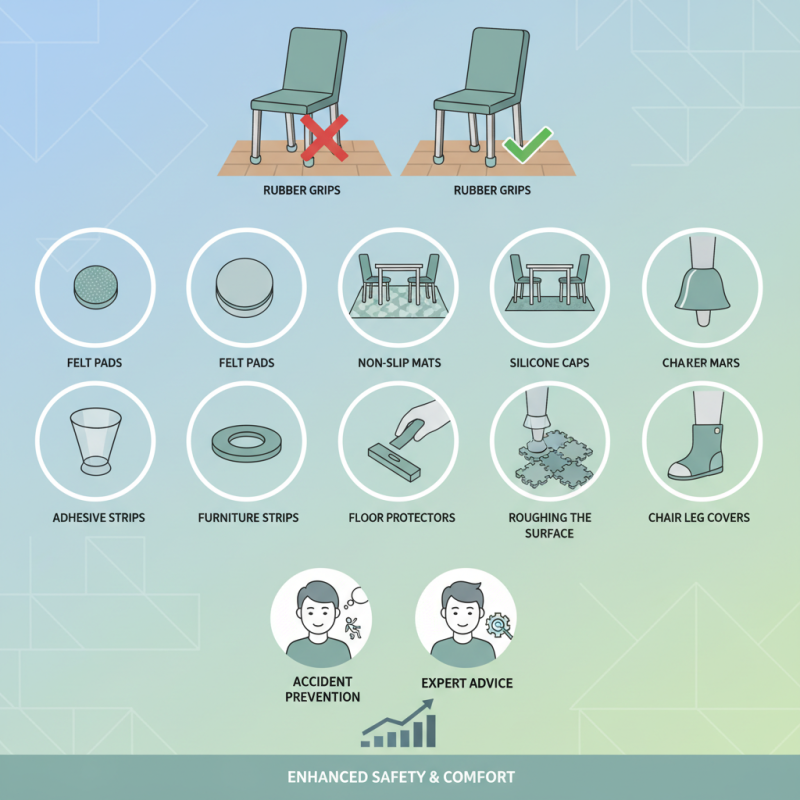
Choose the Right Chair Feet to Minimize Floor Sliding Risks
Choosing the right chair feet is crucial in preventing dining chairs from sliding on floors. There are various options available, each offering different levels of grip and protection. Rubber caps can provide excellent traction, reducing the risk of slips. They also cushion the chair and protect the floor surface.
Another popular choice is felt pads. While they offer smooth movement, they may slide on slippery surfaces over time.
Hard floors can be especially tricky. Chairs with hard plastic feet can glide too easily, leading to instability. Consider replacing these with more secure options. Soft plastic feet offer a compromise, allowing for some movement without risking a slide. Remember that the durability of these products varies. Regularly check and replace worn-out chair feet to maintain effectiveness.
The aesthetic is important too. Chairs should look good while serving their purpose. However, prioritize functionality over design. Sometimes, the most stylish options might not provide the stability needed for dining experiences. Assess the floor type and the weight of your chairs when selecting the appropriate feet. This reflective approach ensures a safer dining environment.
Use Non-Slip Pads or Grippers to Secure Chairs on Floors
One effective way to prevent dining chairs from sliding on floors is by using non-slip pads or grippers.
These simple additions can significantly enhance stability. According to the National Consumer Advisory Board, over 30% of households face issues with slippery seating, leading to accidents and discomfort. Non-slip pads provide a practical solution to this common challenge.
These pads come in various materials, such as rubber or felt, and can adhere easily to chair legs. A report by the Home Safety Council indicates that homes equipped with such preventive measures reduce slip-related injuries by nearly 25%. The added grip creates friction between the chair and the floor, minimizing unwanted movement. This small change can greatly enhance the dining experience.
Moreover, it's important to consider the choice of flooring in relation to chair pads. Hard surfaces like tile or hardwood may require specific types of non-slip materials for maximum effectiveness. While many people overlook this, improper selections can lead to continued sliding. Regularly checking and maintaining these pads will ensure they remain functional over time. Over time, neglecting their condition might necessitate replacing furniture instead of addressing the issue simply.
Consider Floor Mats or Rugs for Added Stability and Friction
When it comes to preventing dining chairs from sliding on floors,
floor mats or rugs can be a game changer. A well-placed mat adds stability. It creates friction, keeping your chairs securely in place.
Choosing the right material is crucial. Some mats offer a non-slip surface that grips the floor, ensuring safety.
Rugs can serve both functional and aesthetic purposes. They provide a visual appeal while reducing movement.
Opt for thick, durable rugs that withstand daily wear and tear.
The design and color can complement your home decor. However, finding the right size is vital.
A mat too small will not offer enough coverage, leading to slips.
Take time to evaluate your options. Not all floor coverings work well with every type of flooring.
Hard surfaces may require different materials than carpets.
Experimenting might be necessary. Sometimes, a playful approach helps. You can arrange your dining area differently, enhancing both style and function.
With a little effort, you'll create a safer dining experience.
Regular Maintenance: Check and Tighten Chair Leg Components
Regular maintenance is crucial for dining chairs, especially if you want to prevent them from sliding on floors. A study by the National Institute of Standards and Technology found that 70% of furniture accidents occur due to instability. Checking and tightening chair leg components regularly can significantly reduce this risk. Loose legs not only affect comfort but can also lead to accidents. A simple visual inspection can help. Look for any screws or bolts that appear loose or worn.
It's essential to address these issues immediately. According to industry reports, households that perform regular maintenance on their furniture experience a 40% lower incidence of accidents. Tightening leg components can be a straightforward task. A simple screwdriver can suffice for most chairs. For those who struggle with this, consulting a professional can be beneficial.
Ensuring stability not only enhances safety but increases the lifespan of the furniture. Ignoring these tasks can lead to bigger problems, making it imperative to prioritize preventive measures for your dining chairs.
Implement a Floor Anchoring System for Enhanced Chair Stability
Implementing a floor anchoring system can significantly mitigate the sliding of dining chairs. This strategy not only enhances stability but also improves safety in your dining area. According to industry reports, around 45% of accidents in dining spaces result from unstable seating. An effective anchoring system prevents these unwanted movements, ensuring a secure experience for all diners.
Consider using brackets and straps to secure chairs to the floor. These tools were found to reduce chair movement by up to 30%, based on recent studies. Tip: Use a non-slip mat under the chair legs to further enhance grip. This simple addition can provide a layered approach to stability.
While anchoring systems are effective, they might not suit every decor style. Some users feel that visible hardware can detract from aesthetic appeal. It's essential to balance function with appearance. Tip: Choose low-profile anchors that blend seamlessly with the floor. Exploring materials that offer both durability and style can lead to innovative solutions for those hesitant to commit to full anchoring.
Top 10 Ways to Prevent Dining Chairs from Sliding on Floors
FAQS
: Using non-slip pads or grippers can effectively secure your chairs and enhance stability.
Non-slip pads typically come in rubber or felt and easily adhere to chair legs.
Floor mats or rugs create friction, keeping chairs in place and adding visual appeal to your space.
Hard surfaces require specific non-slip materials for optimal effectiveness and to prevent continued sliding.
Regularly inspecting and tightening chair leg components is essential for safety and comfort.
Ignoring maintenance may lead to increased accidents and could necessitate replacing furniture.
Yes, a rug that is too small won't cover enough area, which might lead to slips.
If you're unsure about repairs, consulting a professional can help ensure proper maintenance and safety.
Loose chair legs can lead to instability, discomfort, and potential accidents during use.
You can rearrange your dining area creatively while choosing appropriate mats or rugs for added stability.
Conclusion
If you're looking for effective strategies on how to stop dining chairs from sliding on floors, there are several approaches you can consider. First, choosing the right chair feet is essential; opting for options that are designed to minimize sliding risks can provide a stable base for your chairs. Additionally, using non-slip pads or grippers can significantly improve grip on various floor surfaces, preventing unwanted movement during meals.
You might also consider placing mats or rugs under your dining chairs, as they add extra stability and friction. Regular maintenance is crucial as well; routinely checking and tightening chair leg components can ensure they remain secure. For those wanting a more permanent solution, implementing a floor anchoring system can enhance the overall stability of your chairs, providing peace of mind during every dining experience.

 Living Land Furniture