In recent years, a notable trend has emerged in interior design: the preference for neutral furniture in living rooms. According to a report by the National Home Furnishings Association, 78% of consumers favor neutral tones to create versatile and calming spaces. Experts suggest that this choice aligns with the desire for a timeless aesthetic. Industry leader Sarah Mitchell, a well-known furniture designer, states, “Neutral furniture allows for personal expression without overwhelming the senses.”
People often choose neutral furniture for living rooms due to its adaptability. It seamlessly complements various décor styles, making it a preferred option for many homeowners. However, some question whether this trend limits creativity in design. A space filled with vibrant colors and unique patterns can evoke a sense of joy. Yet, the calming effect of neutral palettes often wins out in modern homes, providing a serene backdrop for daily life.
The growing emphasis on minimalist lifestyles and functionality further highlights why people choose neutral furniture for living rooms. While it promotes simplicity and peace, it may also leave some feeling uninspired. Striking the balance between comfort and creativity remains an essential consideration for designers and consumers alike.
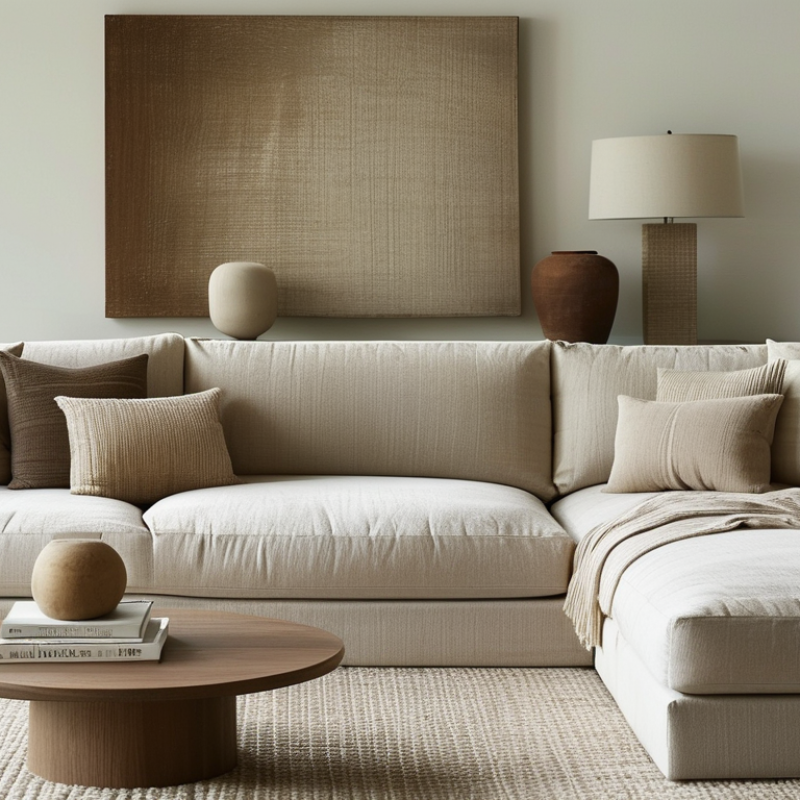
Factors Influencing Preference for Neutral Furniture Colors
When it comes to living rooms, many people lean towards neutral furniture colors. This trend can be attributed to several influential factors. Neutral tones, such as beige, gray, and white, create a calming atmosphere that is visually appealing. These colors allow for flexibility in decor choices and can complement various styles. A spacious feeling often accompanies neutral palettes, making a room feel larger and more inviting.
Space constraints can challenge many homeowners. If your living room is small, choose lighter furniture colors. Light tones reflect more light, enhancing the sense of openness. Additionally, neutral furniture serves as a blank canvas. You can easily add pops of color through accessories, such as pillows or artwork. This adaptability is key for those who enjoy changing their decor frequently.
Tips for choosing neutral furniture include considering texture and material. A mix of fabric types can add depth to your space. Combine soft textiles with hard surfaces. This creates a richer visual experience, even within a monochromatic scheme. Don’t shy away from personal touches, either. Your living room should still reflect your personality, even if the furniture is neutral.
Psychological Effects of Neutral Colors in Interior Design
Neutral colors in interior design hold significant psychological power. Research shows that over 60% of homeowners choose neutral tones for their living spaces. Colors like beige, gray, and soft whites evoke a sense of calmness and stability. These hues create a peaceful atmosphere, reducing stress levels and promoting relaxation.
Neutral furniture allows for flexibility in decor. Homeowners feel less constrained in styling their spaces. According to a study by the American Society of Interior Designers, nearly 75% of clients feel more satisfied with neutral-themed spaces. This satisfaction often stems from the ability to highlight personal belongings or artworks without clashing colors. However, reliance on neutrals can lead to a bland environment, which some may find uninspiring.
While neutral colors enhance tranquility, they can also contribute to feelings of monotony. In some cases, individuals may crave more vibrant colors to express personality. Balancing neutral tones with occasional pops of color can create dynamic visual interest. The key is finding harmony. It’s essential to consider both the soothing qualities of neutral shades and the potential need for variety.
Why Do People Prefer Neutral Furniture in Their Living Rooms? - Psychological Effects of Neutral Colors in Interior Design
| Color Type |
Psychological Effect |
Common Uses |
Popularity Factor (%) |
| White |
Purity, simplicity |
Modern homes, minimalistic designs |
35% |
| Beige |
Warmth, comfort |
Traditional and rustic styles |
25% |
| Gray |
Sophistication, neutrality |
Contemporary and industrial themes |
30% |
| Taupe |
Balance, stability |
Transitional designs |
20% |
| Cream |
Calm, relaxation |
Soft, cozy settings |
15% |
Versatility of Neutral Furniture in Various Décor Styles
Neutral furniture has gained tremendous popularity across various décor styles, and interestingly, it caters to diverse tastes. A report from the American Home Furnishings Alliance indicates that 80% of consumers find neutral tones like beige, gray, and white appealing in living spaces. These hues establish a calm and sophisticated backdrop, allowing for easier integration of decorative elements.
Versatility plays a key role in the choice of neutral furniture. Designers often highlight its ability to adapt to different styles, from minimalist to bohemian. With the right accessories, neutral furniture harmonizes effortlessly with bold colors and patterns. A survey by the International Furniture and Home Furnishings Association found that 72% of homeowners appreciated the flexibility neutral pieces provide when updating their decor.
However, there is a flip side. While neutral tones are safe and stylish, they can sometimes feel bland and uninspired. Many homeowners struggle with making a statement in an overwhelmingly neutral space. This trend presents a challenge for those seeking personalization. Combining neutral furniture with vibrant accents or art can add character, but finding that balance is key. This complexity in choice may lead to more time spent designing comfortable living environments.
Impact of Neutral Furniture on Space Perception and Ambience
Neutral furniture plays a significant role in shaping our perception of space and ambiance. According to a report by the American Psychological Association, colors and materials influence our mood and behavior. A neutral palette can create a calming atmosphere, making living rooms feel more inviting. This effect is amplified when paired with strategic lighting, which can further enhance the sense of openness in a room.
Research shows that 65% of homeowners prefer neutral tones for large furniture pieces. This preference stems from the versatility these colors offer. Neutral shades like beige, gray, or soft white blend effortlessly with various décor styles. They allow homeowners to express individuality through accessories and art, creating a balanced space. However, some argue that excessive neutrality can make a room feel bland or impersonal.
While neutral furniture can enlarge the perception of space, it also comes with its challenges. Selecting the right neutral tones is crucial. An improperly chosen shade can lead to a washed-out appearance, reducing visual interest. Subtle variations in texture become essential in such cases. This means that while neutral furniture is often deemed safe, it requires thoughtful implementation to avoid a monotonous look. Thus, understanding the nuances of color and material is vital for creating a harmonious living environment.
Trends in Home Design: The Shift Towards Neutral Furnishings
Neutral furniture is becoming a staple in modern living rooms. The appeal lies in its versatility and calming effect. According to a recent study by the American Society of Interior Designers, around 70% of homeowners prefer neutral tones for large furniture items like sofas and coffee tables. This trend reflects a broader desire for spaces that promote relaxation.
Homeowners appreciate how neutral furnishings can complement various color schemes. When they choose beige, gray, or white, they're likely thinking of resilience. Such colors endure trends and withstand the test of time. A 2022 report from the International Furnishings and Design Association found that 60% of designers favor neutral palettes to ensure lasting appeal. However, some argue that this preference can lead to bland spaces.
While neutral furniture creates a serene backdrop, it can lack personality. A reliance on minimalism might make rooms feel impersonal or stark. Many individuals need to incorporate colorful accents through accessories or art to avoid monotony. Balancing neutrality with bursts of color is crucial. Ultimately, the shift towards neutral furnishings invites creativity while posing challenges for personal expression in home design.
Conclusion
In recent years, a notable trend in home design has emerged, leading to the question: "Why do people choose neutral furniture for living rooms?" Several factors contribute to this preference, including the psychological effects of neutral colors, which often evoke a sense of calm and balance. Neutral tones create a versatile backdrop that can seamlessly blend with various décor styles, making them an ideal choice for individuals looking to maintain a cohesive aesthetic within their home.
Furthermore, neutral furniture plays a significant role in shaping space perception and ambience. It tends to make rooms appear larger and more inviting, enhancing the overall mood of the living area. As homeowners seek to create tranquil and adaptable spaces, it is clear that neutral furniture has become a staple in modern interior design, reflecting a shift towards minimalism and understated elegance.

 Living Land Furniture