Mixing different styles of living room furniture can seem daunting. However, design expert Emily Henderson once said, "The joy of decor is in combining what you love." This philosophy emphasizes personal expression. Understanding "how to mix and match living room furniture styles" is essential for creating a cohesive look.
Many people fear clashing styles, leading to overmatched spaces. Striking a balance can feel tricky, yet it's about experimentation. Start with a focal piece, like a bold sofa or an antique table. Build around it with complementary items. Mixing textures adds depth. A velvet chair can contrast beautifully with a wooden coffee table.
Let’s embrace imperfections. Sometimes, mismatched pieces create unique charm. Don’t shy away from breaking rules. Each room should tell a story—yours. By exploring various styles, you make your living space truly yours. Understanding "how to mix and match living room furniture styles" takes practice but is rewarding. Your home reflects your personality and journey.
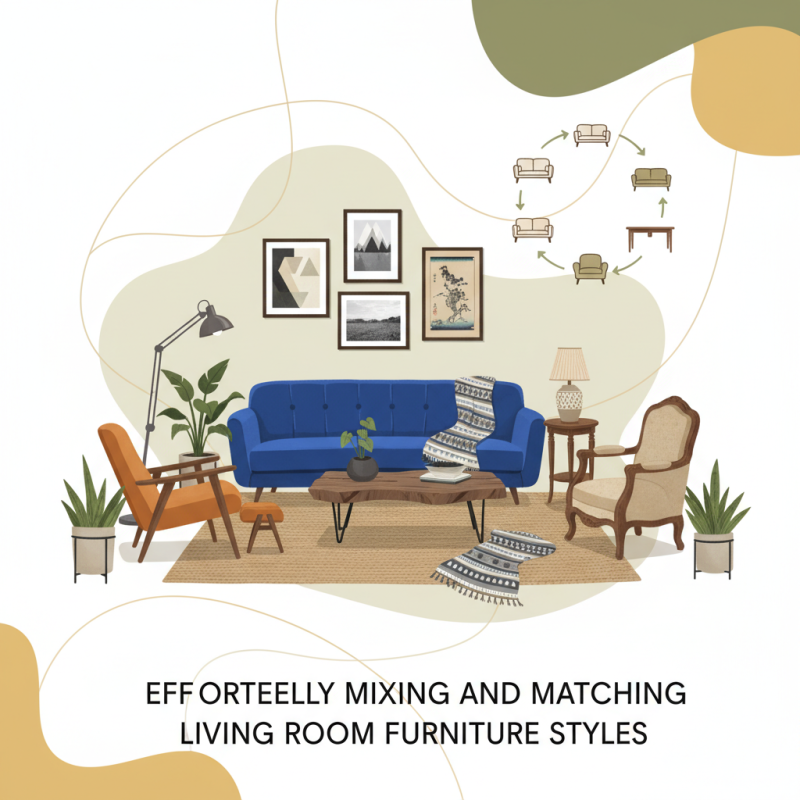
Creating a harmonious living room involves understanding various furniture styles. Each style brings its own character to a space. Classic, modern, and eclectic styles can coexist, offering a unique look. For instance, a sleek modern sofa can pair beautifully with vintage armchairs. The key is balance; mixing different styles should feel intentional.
Tips: When selecting pieces, consider color palettes and textures. A neutral palette allows for greater flexibility. Opt for natural materials like wood and linen, as they unify contrasting styles. An eclectic rug can tie together various elements.
Visualize your space and how each piece interacts. A bold chandelier can elevate a minimalist room. Experimentation often leads to beautiful outcomes. Don't hesitate to rearrange until it feels right. Remember, it’s okay if things don’t match perfectly. It’s about creating a personal story through your choices.
Choosing a common theme or color palette is crucial for a cohesive living room design. Start by assessing your existing furniture. Look for dominant colors or materials. This creates a foundation for your style. For example, if your sofa is a deep blue, consider adding complementary colors like soft grays or whites through cushions and artworks. This combination can tie the room together visually.
Color isn’t the only element to consider. Textures play a vital role too. Mixing leather and fabric pieces can enrich the space. However, be cautious about clashing textures. A balance is essential. Adding a hint of metallic accents, like a lamp or picture frame, can introduce sophistication. Don’t hesitate to play around; sometimes, a stark contrast works surprisingly well.
Mixing styles demands reflection. It’s easy to crowd a room with too many pieces. Step back and evaluate your choices. Are they harmonious? Does anything feel out of place? Trust your instincts. Look for inspiration, but don’t be afraid to veer from the norm. Your living room should reflect your personal style, even if it’s not perfect. Remember, a mismatched piece can often spark a delightful conversation.
Mixing textures and materials can transform your living room into a dynamic space. Consider pairing a sleek leather sofa with a chunky knit throw. This contrast draws the eye and invites touch. Opt for a glass coffee table over a rustic wood base to add depth. The shiny surface reflects light and elevates the room's ambiance.
Incorporating natural elements can enhance visual interest. A woven basket filled with vibrant faux greenery can soften hard surfaces. Layering rugs of different materials, like a soft area rug under a jute one, can create warmth. Aim for balance in color and weight; too many heavy items may feel overwhelming.
Don't be afraid to experiment. Mixing vintage and modern pieces can provide character. Sometimes, these combinations don't work perfectly. Reflecting on what feels right is part of the journey. Embrace imperfections; they often lead to unique design solutions. Each choice should reflect your personality while maintaining harmony in the space.
Arranging furniture for balance and functionality can transform your living room. Start by considering the size and shape of your space. Large pieces can overwhelm, while tiny pieces can get lost. Aim for a mix that feels cohesive.
Place larger furniture near the walls to create an open central area. This helps with movement. If your sofa is sleek, balance it with a chunky coffee table. This contrast can draw the eye and create interest. Keep pathways clear for easy navigation.
Tips: Use complementary colors. This adds depth and intrigue. Layer textures by mixing fabrics like leather and cotton. It creates comfort. Avoid overcrowding with too many pieces; negative space is just as important as furniture. Reflect on how each piece fits your personal style and needs. Is something not working? Don't be afraid to change it.
Mixing different furniture styles in your living room can create a unique and inviting space. The secret lies in the accessories you choose. Accessories are often the finishing touches that can unify disparate styles and make your room feel cohesive. For instance, a contemporary vase can add a modern flair to a vintage coffee table. Choose colors that complement each other, such as soft neutrals or bold accent hues. These can serve as a bridge between different design elements.
Artworks and textiles also play a crucial role in tying styles together. Hang a vibrant painting that echoes the color palette of your diverse furniture. Decorative pillows in various patterns can add depth without overwhelming the space. Using area rugs to define spaces can further enhance the overall aesthetic. However, be cautious with layering patterns. Sometimes, they can clash rather than harmonize, leading to a chaotic feel.
Floral arrangements or greenery can soften harsh lines in mixed styles. Real plants or faux options can work wonders in creating a relaxed atmosphere. Reflect on your choices; some elements might not resonate as you initially thought. It’s alright to swap items out until you find the perfect combination. Embrace the process of trial and error to achieve your desired look.
: Assess your existing furniture to identify dominant colors. Use complementary colors to enhance the space.
Textures add depth. Mixing different materials can enrich the environment but avoid clashing textures.
Yes, but reflect on your choices. Ensure pieces feel harmonious, even if they are not perfect together.
Place larger items against the walls to open up the center. Keep pathways clear for easy movement.
Step back and evaluate. Negative space is important. Don't hesitate to remove pieces that don’t fit.
Yes, mismatched pieces can spark conversation. Embrace imperfections in your design for a unique touch.
Use items like woven baskets or plants. They soften hard surfaces and add warmth to your design.
No, mixing vintage and modern styles can provide character. Reflect on what feels right for your personal style.
Introduce metallic accents, like lamps or frames. They can elevate the ambiance without overwhelming the space.
Reflect on what feels right. Design is a journey, and not every choice will be perfect. Embrace the process.
In "How to Mix and Match Living Room Furniture Styles Effortlessly," the article outlines key strategies for creating a harmonious living space. Understanding different furniture styles is essential, as it allows homeowners to select pieces that complement each other while showcasing individuality. Identifying a common theme or color palette can further enhance cohesion, ensuring that even eclectic choices feel intentional and well-coordinated.
Additionally, combining various textures and materials introduces visual interest, making the room more inviting. The arrangement of furniture plays a significant role in achieving balance and functionality, allowing for both aesthetic appeal and practicality. Finally, incorporating accessories can seamlessly tie together different styles, adding personal touches that resonate with the overall design. By following these guidelines, anyone can master how to mix and match living room furniture styles with ease and confidence.

Living Land Furniture