In the realm of interior design, creating the illusion of space is crucial, especially for small dining rooms. According to a recent survey by the American Society of Interior Designers, 85% of homeowners believe that a well-furnished room not only looks bigger but also feels more inviting. Expert designer Sarah Lawson emphasizes, "Strategically chosen furniture can transform a compact dining space into an area full of light and openness."
When considering how to make a small dining room look bigger with furniture, choices matter. Light-colored tables and transparent chairs can create airiness. Avoid bulky pieces; opt for multifunctional items. This approach can foster an environment that feels less cramped.
However, it's essential to recognize that not every choice leads to success. Overloading a small space with too many elements can yield clutter rather than comfort. You might find that a simple, streamlined design often achieves the best results. Embracing a minimalistic mindset can help in realizing your dining room's potential.
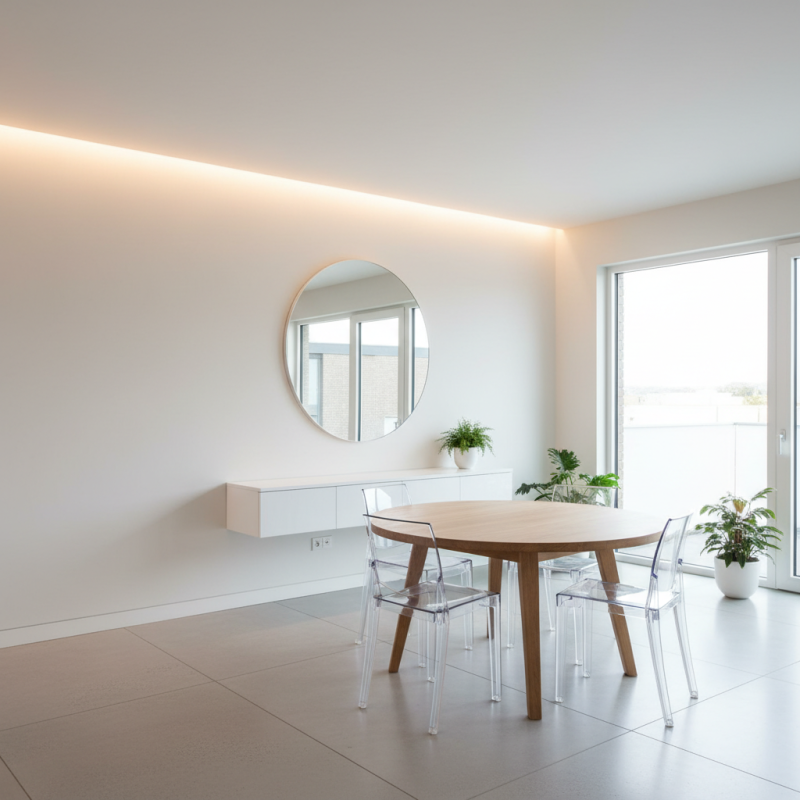
Choosing the right furniture scale is crucial for a small dining room. When furniture is oversized, the space appears cramped. According to industry reports, a dining table should occupy about 25% of the room’s total area. This keeps the flow functional and visually appealing. A table with a diameter of 36 to 48 inches works well for small spaces.
Opt for lightweight furniture that is easy to move. This allows for flexibility when hosting dinner parties. Folding chairs or expandable tables can be practical. A data analysis from the American Home Furnishings Alliance reveals that multifunctional furniture saves up to 30% in space without sacrificing style.
Remember that color and material matter too. Lighter colors can create the illusion of more space. Glass or acrylic pieces contribute to an airy feel. Avoid heavy designs that dominate the room. Reflective surfaces enhance light, adding to the spacious effect.
Tip: Arrange furniture away from walls to improve accessibility. Consider a round table for more intimate gatherings. A well-planned layout can surprisingly expand your dining experience. Experimenting with different arrangements leads to a solution that works best for you.
Choosing the right colors and materials is essential for creating a sense of space in a small dining room. Light colors can make the room feel larger, reflecting more natural light. Soft pastels or crisp whites are excellent choices. Consider using a monochromatic color scheme; it creates harmony and depth, helping to visually expand the walls. Adding a pop of color in accessories can work, but too many bold hues can overwhelm the space.
Material selection is equally significant. Opt for lightweight furniture with clean lines. Tables with tapered legs can give the illusion of more floor space. Glass tops can also make a small dining room feel airy. Incorporating mirrors enhances this effect. They reflect light and make the room appear twice as large.
However, it’s worth noting that too many reflective surfaces can create confusion in design. Be mindful of balance. While you aim to create an open feel, don’t sacrifice functionality. Flimsy materials may not hold up well. Choosing durability means you may need to compromise on aesthetics, which is a common challenge in small spaces.
| Dimension | Description | Example |
|---|---|---|
| Color | Use light colors to create a spacious feel. | Soft whites, pastel shades |
| Furniture Size | Choose smaller, scale-appropriate furniture. | Round tables, slim chairs |
| Material | Opt for transparent or light materials. | Glass table tops, acrylic chairs |
| Lighting | Incorporate ample lighting to enhance space. | Chandeliers, wall sconces |
| Arrangement | Create open spaces by strategic furniture placement. | Pulling furniture away from walls |
In small dining rooms, effective arrangement can truly expand visual space. Research indicates that optimal furniture placement enhances the room's dimensions. A round table often works better than a rectangular one. This choice maximizes movement and can seat more guests comfortably.
To create an open feel, consider floating furniture away from walls. Place chairs around a central table. This arrangement encourages flow, making the room seem larger. Data from interior design surveys show that layouts allowing easy movement can create the illusion of space. Additionally, using multifunctional furniture adds practicality without crowding. A bench can provide extra seating and can slide under the table when not in use.
Lighting is another critical factor. Natural light opens up the room. Strategically placed mirrors can also reflect light, enhancing brightness. However, too many dark or bulky items can weigh down the space. It’s essential to balance elegance with functionality. Thoughtful arrangements and design choices deeply influence the perception of space. Reflect on what works in your home and adjust as necessary.
In small dining rooms, incorporating multi-functional furniture can significantly enhance space. According to a study by the American Home Furnishings Alliance, about 50% of consumers prioritize adaptability in their furniture. Simple changes can make a big difference.
Consider a dining table that extends. When not in use, it can serve as a console or desk. The transformation can create an illusion of more space.
Storage is another crucial aspect. Multi-functional benches or stools with hidden compartments provide extra seating while keeping clutter at bay. The National Association of Realtors found that homes with optimized space earn 20% more in resale value. Investing in furniture that performs multiple roles maximizes both aesthetics and functionality. However, it’s crucial to balance practicality and comfort. A chair that folds may save space but might not offer adequate support for long dinners.
Reflecting on your current layout is essential. Are bulky pieces hindering movement? An open flow can create a sense of airiness. While ambitious designs are appealing, simplicity often leads to a more spacious feel. Embrace the challenge of selecting pieces that are stylish yet practical.
Using mirrors and lighting in a small dining room can significantly create an illusion of space. Mirrors act as reflective surfaces that bounce light around the room. Place a large mirror on one wall. This reflects the dining table and chairs, making the area feel larger. Smaller accent mirrors can enhance this effect, too.
Lighting plays a crucial role. Bright, warm lighting can open up space and make it inviting. Use pendant lights or wall sconces to direct light downward. This draws the eye upward, adding height to the room. Consider dimmers for versatility; softer lighting can create a cozy atmosphere during dinners.
Tips: Use mirrored furniture sparingly to avoid overwhelming the space. Limit the number of light sources to prevent a cluttered feel. Reflective surfaces should complement, not dominate, the decor. Be mindful of color choices as well; lighter shades can enhance openness while darker hues may close in the space. Try not to ignore the effect of natural light; sheer curtains can help illuminate the area during the day.
: Light colors make a room feel larger by reflecting natural light. Soft pastels and whites are ideal choices.
A monochromatic color scheme creates harmony and depth. Adding a pop of color in accessories can help without overwhelming.
Opt for lightweight furniture with clean lines. Tables with tapered legs and glass tops can create an airy feel.
Mirrors reflect light and can make the room appear twice as large. However, too many can create design confusion.
Use a round table to maximize movement and seating. Floating furniture can create an open feel.
Natural light opens up the space. Mirrors can enhance brightness, while bulky items can weigh the room down.
Durability is key. Flimsy materials may not hold up well and can affect functionality, making design a challenge.
Multifunctional furniture adds practicality and can reduce crowding. A bench offers extra seating and can slide under the table.
Reflect on your current layout. Make thoughtful adjustments to balance elegance and functionality for a better perception of space.
Avoid excessive bold colors and too many reflective surfaces. Balance is crucial to maintain both beauty and usability.
When considering "How to make a small dining room look bigger with furniture," it is essential to focus on several key elements. Start by choosing the right furniture scale, opting for pieces that are proportionate to the room’s dimensions. This ensures that the space doesn’t feel cramped. Additionally, selecting light colors and materials can create an airy feel, enhancing the overall visual space.
Furthermore, optimizing the layout is crucial; arranging furniture in a way that allows for easy movement can significantly improve the perception of size. Incorporating multi-functional furniture, such as tables that extend, can also maximize utility without sacrificing space. Lastly, using mirrors and strategic lighting can further enhance the illusion of a larger room, reflecting light and creating depth. By employing these strategies, you can effectively transform your small dining area into a more spacious environment.
Living Land Furniture