What Furniture to Avoid in a Small Dining Room for Space Saving

Time:2026-06-16 Author:Ethan
0%

In the quest for maximizing space in small dining rooms, choosing the right furniture is crucial. According to a 2023 report by the National Home Furnishings Association, about 70% of homeowners struggle with spatial constraints when furnishing dining areas. It's vital to address the question: "What furniture should I avoid in a small dining room?" Renowned interior designer Jane Smith emphasizes, “Oversized furniture can overwhelm the space and make it feel cramped.”

A careful selection process involving the avoidance of bulky dining tables and heavy, ornate chairs can make a significant difference. Minimalism is key. Streamlined designs not only enhance aesthetics but also improve functionality. Consider furniture that serves dual purposes, such as extendable tables or stackable chairs.

Yet, it's easy to fall into the trap of compromising on style in favor of size. Reflecting on personal needs is essential. Each piece must contribute positively to the overall feel of the room without overcrowding it. Embracing this balance can transform a tiny dining area into a vibrant and inviting space.
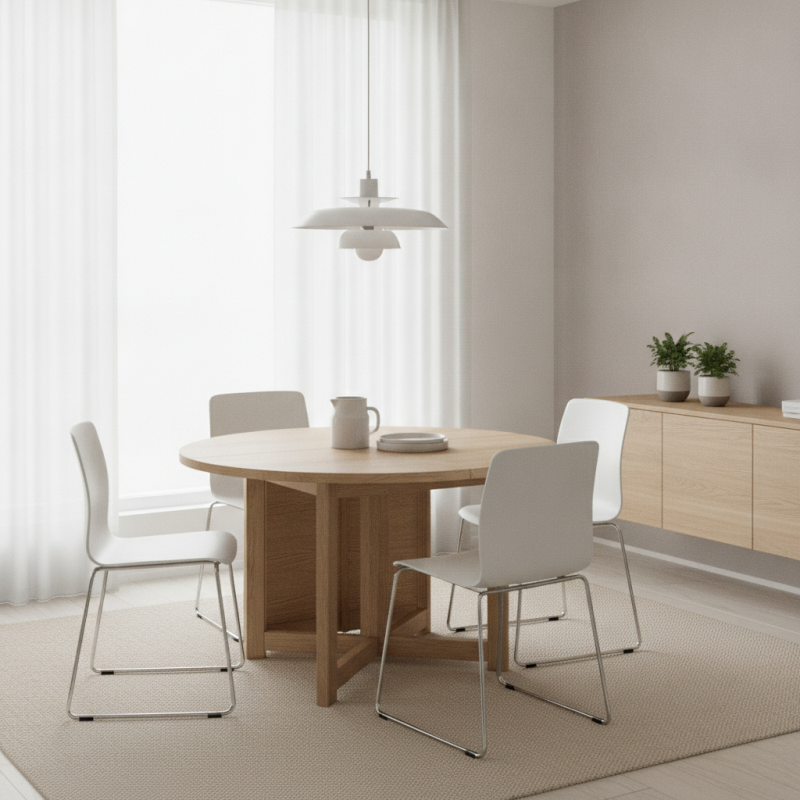
What Furniture to Avoid in a Small Dining Room for Space Saving

Understanding Space Constraints in Small Dining Rooms

In small dining rooms, understanding space constraints is crucial. A cluttered area can make dining unpleasant. Large tables and bulky chairs can dominate the room, leaving little space to move. Conversely, the right furniture can transform a cramped space into a functional area.

Consider opting for round tables. They fit snugly into corners and allow for easy movement. When choosing chairs, go for lightweight designs. They can be moved quickly and stowed away when not in use. Avoid traditional armchairs; they take up extra space and can feel restrictive. Instead, opt for benches or stools that can slide under the table.

Be mindful of visual weight as well. Transparent materials, like glass or acrylic, create an illusion of space. Open-legged tables make the area feel less confined. Reflect on your daily activities. If you rarely host large gatherings, a smaller setup is more practical. Each piece of furniture should serve a purpose, ensuring the room remains inviting without feeling overcrowded.

What Furniture to Avoid in a Small Dining Room for Space Saving

Furniture Type Reason to Avoid Alternative Suggestions
Large Dining Tables Takes up too much floor space, limiting movement. Consider a round or extendable table.
Bulkhead Corner Cabinets Occupies valuable corner space, making the room feel cramped. Opt for floating shelves for storage.
Oversized Chairs Limits seating capacity and obstructs pathways. Choose sleek, armless chairs or benches.
Heavy Buffet Tables Causes bulkiness and clutter in the dining area. Use a slim console table instead.
Low-Ceiling Hanging Light Fixtures Can make the space feel even smaller. Choose flush mounts or recessed lights.

Key Furniture Types to Avoid for Enhanced Space Efficiency

When it comes to small dining rooms, the choice of furniture can significantly impact space efficiency. According to a 2022 survey by the American Institute of Architects, 65% of homeowners find that bulky furniture hinders their room's functionality. Avoid oversized tables and heavy chairs. These pieces can make a small area cramped, limiting movement and comfort.

Opting for furniture with sleek lines and less mass helps create a more open atmosphere. Round tables, for instance, can save space while encouraging conversation. Also, consider modular or stackable seating options. They can be easily arranged and stored, adapting to your needs without taking up unnecessary space.

Tip: Always measure your dining area before purchasing new pieces. This ensures a perfect fit and helps visualize how each item contributes to the room's flow. When selecting furniture, prioritize functionality but don't overlook style. Balance is key. Reflect on your specific needs and avoid trends that may not suit your space. A well-planned layout can transform a cluttered environment into a stylish dining area.

Choosing the Right Dining Table Size for Small Areas

When selecting a dining table for a small area, size is everything. A compact table can optimize your space while maintaining functionality. Aim for a table that accommodates your daily needs without overwhelming the room. A round table often works well, as it allows for easy movement and can fit into corners.

Consider the shape and height of the table. A standard height table paired with chairs should allow for comfortable seating without taking up too much visual space. If the ceiling feels low, avoid tall tables. They can make the room seem even smaller.

Moreover, avoid bulky designs. Large tables crowd your area and limit movement. Reflect on your dining habits, too. If you rarely entertain large groups, a smaller option can serve you well. Flexibility in seating arrangements is crucial. You might need to experiment before finding the ideal fit. A well-chosen table can enhance both style and practicality in a small dining space.

The Impact of Bulky Seating on Dining Room Space

When designing a small dining room, bulky seating can quickly become a significant hurdle. Oversized chairs and heavy couches take up precious space, making the area feel cramped. Instead of creating an inviting atmosphere, these pieces often make movement difficult. This impact can overshadow even the best decor.

Consider lighter alternatives. Opt for dining chairs that are slim and on the lighter side. Folding chairs can be a smart choice as well, adding flexibility and allowing you to maximize your room’s potential. Round tables are also advantageous; they usually require less room and can accommodate more people without taking up too much space.

Remember the value of function versus style. Some furniture might look appealing but can overwhelm the space. Evaluate each piece's practicality. Focus on how it contributes to the dining experience. Decluttering can sometimes bring clarity. Review your current furniture; what is essential, and what is simply taking up space?

Balancing aesthetics and functionality is key in a small dining room setting.

Utilizing Multi-Functional Furniture to Maximize Space

In a small dining room, utilizing multi-functional furniture can transform your space. A table that folds down or expands can save valuable floor space. When not in use, a drop-leaf table can easily tuck against the wall. Consider stackable chairs, too. They can be neatly stored away when extra seating isn't needed.

A bench with hidden storage also adds functionality. It provides seating while keeping your dining room clutter-free. Look for ottomans that serve as both seating and storage. These pieces maximize usability without compromising style. Now think about how you move around the space. Leave pathways clear; furniture should enhance, not hinder.

Remember that even the best layouts can have flaws. Your chosen furniture might not always fit as planned. Be open to adjusting your choices. Reassess your needs regularly. A well-organized dining room should adapt to your lifestyle, making every corner functional. This approach can lead to a lively and inviting space, even in smaller areas.

FAQS

: Why is understanding space important in small dining rooms?

: Space is vital because clutter can make dining uncomfortable. Proper layout enhances movement and functionality.

What type of table is best for small spaces?

Round tables are optimal. They fit corners well and allow for easy movement, creating a more spacious feel.

How can I choose the right chairs for a small dining area?

Lightweight chairs are ideal. They can be moved easily and stored when not needed, saving space.

What materials help create an illusion of space?

Transparent materials, like glass or acrylic, can make a dining area feel larger and less confined.

How should I select a dining table based on my habits?

Reflect on your dining habits. If you seldom host large groups, a smaller table may be more practical.

What kind of furniture maximizes space efficiency?

Multi-functional furniture is key. Folding tables and stackable chairs save space while offering necessary seating.

Can I keep a dining room organized with multi-purpose furniture?

Yes, furniture with storage options helps maintain a clutter-free area, enhancing practicality and style.

How important is clear movement in a small dining area?

Clear pathways are critical for ease of movement. Furniture should enhance the space without causing obstruction.

What should I do if my furniture arrangement doesn’t feel right?

Be open to changes. Regularly reassess your needs to keep the dining space functional and inviting.

Can a small dining room still feel inviting?

Absolutely. Thoughtful furniture choices and organization can create a lively atmosphere, even in compact spaces.

Conclusion

When considering how to optimize a small dining room, it's essential to understand what furniture should be avoided to enhance space efficiency. Key furniture types to steer clear of include oversized tables and bulky seating, which can quickly overwhelm a limited area. Instead, choosing the right dining table size is crucial, as a smaller, more streamlined table can create a more open atmosphere.

Additionally, bulky seating can hinder movement and make the room feel cramped. By utilizing multi-functional furniture, such as tables with extendable surfaces and chairs that can be neatly tucked away, you can maximize the available space. Ultimately, asking yourself, "What furniture should I avoid in a small dining room?" can lead to more thoughtful choices that will create a comfortable and inviting dining experience in even the smallest of spaces.

Ethan

Ethan

Ethan is a seasoned marketing professional with a deep expertise in our company's innovative product line. With a passion for sharing knowledge and insights, he takes the lead in regularly updating our corporate blog, where he explores industry trends, product features, and effective marketing......