How to Fix a Wobbly Dining Table Easily and Effectively?

Time:2026-06-22 Author:Madeline
0%

A wobbly dining table can turn a pleasant meal into a frustrating experience. Many homeowners wonder, "Why is my dining table wobbling and how to fix it?" Research shows that approximately 30% of households struggle with this common issue. Factors like uneven floors, loose screws, or damaged legs often lead to instability.

Industry reports suggest that an unstable table can also affect the dining experience significantly. Not only does it disrupt conversations, but it can also lead to spills and broken dishes. As simple as it may seem, fixing a wobbly table requires understanding its underlying causes. A report by the National Kitchen and Bath Association emphasizes the importance of sturdy furniture for enhancing home dining experiences.

While some people may resort to temporary fixes, it’s essential to approach the issue systematically. Too often, homeowners neglect to address the root cause or settle for makeshift solutions. By committing to a thorough assessment of their dining tables, individuals can provide longevity to their furniture and improve their dining experiences. Let’s explore effective and easy methods to stabilize that wobbly table once and for all.
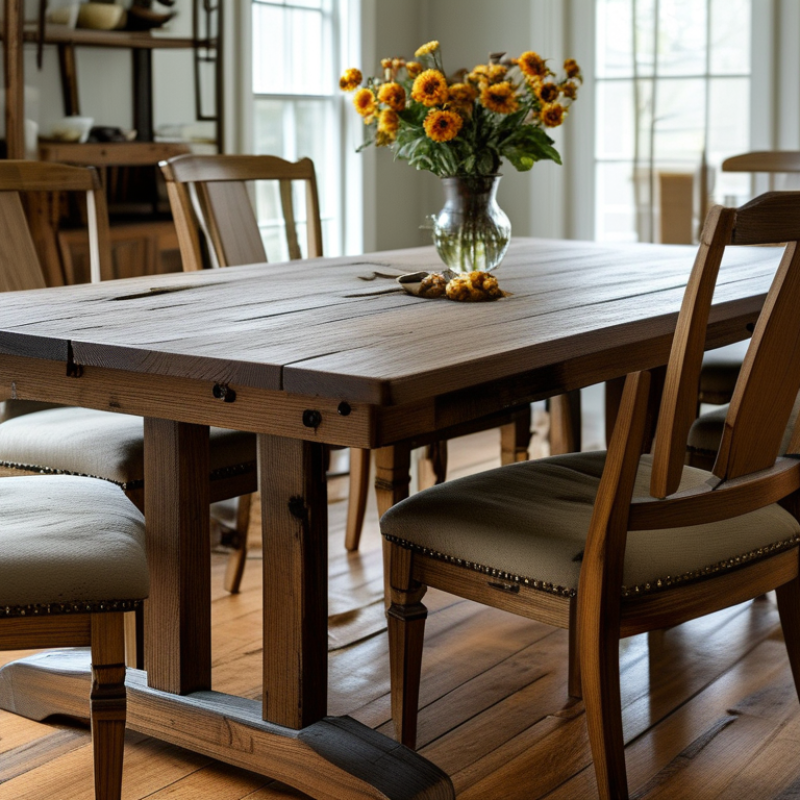
How to Fix a Wobbly Dining Table Easily and Effectively?

Identifying the Causes of a Wobbly Dining Table

A wobbly dining table can be a frustrating problem. Identifying the causes is crucial for an effective fix. Common issues include uneven legs, loose screws, or even an unlevel floor. Each cause needs a tailored approach for addressing the wobble.

Tips: Check each leg of the table. Place a straight edge across the bottom to see if any leg is shorter. If you find a short leg, you can use wood shims or rubber pads to fix it.

Another cause might be loose screws or bolts. Inspect the connections and tighten them using a screwdriver. Over time, furniture can shift, leading to instability. Regular checks can prevent these issues from becoming major problems.

Tips: For an unlevel floor, consider moving the table to a different spot. Sometimes, even small adjustments can lead to a stable dining experience. Remember to periodically check the table, as wobbles can sneak up on you when you least expect it.

Frequency of Causes for Wobbly Dining Tables

Required Tools and Materials for Fixing a Wobbly Table

Fixing a wobbly dining table doesn’t require complex skills. The right tools and materials make the task manageable. A level is essential. It helps you check the table’s balance easily. A screwdriver is also necessary, especially if the table has loose screws. If you have wood glue, it can reinforce connections.

Consider getting furniture coasters. These small pads can help stabilize uneven legs on the floor. A measuring tape will also be helpful. Measure the legs to ensure they’re all the same length. It’s easy to overlook how uneven legs can lead to wobbliness.

Check each table leg carefully. Sometimes, the issue is simply dirt or debris stuck under a leg. This isn’t always obvious. A good cleaning can sometimes resolve the issue instantly. If gaps appear between the table and the floor, using felt pads may improve stability. Yet, it’s important to assess whether your solutions hold up over time. Don’t rush—each step matters.

How to Fix a Wobbly Dining Table Easily and Effectively? - Required Tools and Materials for Fixing a Wobbly Table

Tool/Material Purpose Usage Instructions
Wooden Shims To level the table Insert the shim under the wobbly leg until stable.
Screwdriver To tighten loose screws Check all screws and tighten them as needed.
Level To check if the table is even Place the level on the table to identify high or low spots.
Wood Glue To secure joints Apply glue to joint areas for added stability.
Rubber Feet To prevent slipping Attach to the bottom of the legs for grip.

Step-by-Step Guide to Leveling the Table Legs

Dealing with a wobbly dining table can be frustrating. A stable table is essential for meals and gatherings. According to industry data, around 30% of homeowners experience furniture stability issues. Fixing this problem can be straightforward if approached correctly.

Begin by examining the table legs. Identify if any are shorter than the others. Use a level to check balance. This step is critical. If a leg is shorter, consider adding felt pads or rubber shims to the underside. These materials offer a quick and easy solution, making your table steady in no time. Keep in mind, improper leveling can lead to more significant problems over time.

Tips: Ensure the table is on a flat surface. Check seasonally for wear and tear. Adjustments might be necessary as wood can expand or contract with humidity changes.

If you find the wooden legs worn down, consider sanding down or replacing them. A good-quality replacement leg can improve durability. Sometimes, DIY fixes might not suffice. In such cases, consulting a professional could be the best course. Remember that a stable dining table is not just about aesthetics; it's about enjoying meals without distraction.

Using Furniture Pads or Coasters to Stabilize the Table

A wobbly dining table can be a frustrating issue. It disrupts mealtime and makes dining uncomfortable. One effective solution involves using furniture pads or coasters. These items can provide the necessary support to stabilize your table.

When placing furniture pads, look at the legs of your table. If one leg is shorter, adding a pad can create balance. You can use felt pads or rubber ones. They are affordable and easy to find. Using coasters under the legs works as well. Ensure each leg has equal pressure. This small adjustment can significantly improve stability.

Taking some time to assess your table can reveal much. Sometimes, the table's surface might be uneven. This can be a common oversight. Adjusting furniture pads and coasters not only solves the wobble but also enhances your dining experience. It allows you and your guests to enjoy meals without distraction. Making these changes can lead to a more pleasant atmosphere at your dining table.

Additional Tips for Maintaining Table Stability Over Time

Maintaining a stable dining table is essential for both aesthetics and functionality. Regular tightening of screws and bolts can prevent wobbling. A study from the Furniture Manufacturers Association indicates that nearly 25% of customers encounter stability issues with their dining tables. Keeping an eye on the hardware can extend the life of your furniture significantly.

Consider using felt pads under the table legs. These pads help balance uneven surfaces, reducing wobbling. According to industry surveys, users who employ such solutions report over 70% satisfaction in stability improvement. Additionally, periodic inspection is vital. Fluctuating humidity levels can affect wood expansion and contraction, leading to instability.

Finally, storing your table in a climate-controlled environment can mitigate damage. Tables made of solid wood are more susceptible to warping than engineered wood. Thus, understanding your table's materials aids in proper care. There is value in addressing minor issues before they escalate, as preventative maintenance often saves you time and effort in the long run.

FAQS

: What tools do I need to fix a wobbly table?

: You mainly need a level, screwdriver, and wood glue. Furniture coasters can also help stabilize the legs.

How do I check if my table is level?

Use a level tool to assess the balance of the table. Check each leg carefully for discrepancies.

What if dirt is causing the wobbliness?

Sometimes, cleaning underneath the table legs resolves the issue. Dirt and debris are often overlooked.

How can I stabilize uneven table legs?

Adding felt pads or rubber shims to shorter legs can help. This is a quick and effective solution.

Should I regularly check my table's stability?

Yes, it's wise to check for wear and tear. Seasonal changes can affect the wood's condition and stability.

What if my wooden table legs are worn down?

Consider sanding them down or replacing them for better durability. Good-quality replacements are available.

Can professional help be necessary for table issues?

Yes, if DIY fixes don’t work, consulting a professional might be the best choice to ensure stability.

Why is a stable table important?

A stable table allows you to enjoy meals without distraction. It’s essential for gatherings and dining experiences.

Is it common for tables to be unstable?

Yes, around 30% of homeowners face furniture stability issues. It’s a common problem that can be fixed.

Conclusion

A wobbly dining table can be a common nuisance in many homes. The first step in addressing this issue is to understand "why is my dining table wobbling and how to fix it." Identifying the causes—such as uneven floors, worn table legs, or loose screws—is crucial for an effective solution. Once the cause is determined, gather the required tools and materials to fix the problem.

The step-by-step guide outlines how to level the table legs by adjusting or replacing them as necessary. Additionally, using furniture pads or coasters can help stabilize the table on uneven surfaces. To ensure long-term stability, regular maintenance and adjustments are recommended. By following these methods, you can easily and effectively restore your dining table's stability, allowing for enjoyable meal times without distraction.

Madeline

Madeline

Madeline is a dedicated marketing professional with a wealth of expertise in our company's core offerings. With a keen understanding of the industry, she brings a unique perspective to her role, consistently delivering high-quality content that highlights the superior aspects of our products. As......