Keeping your living room furniture clean is essential for a welcoming home. Many homeowners wonder how to clean fabric living room furniture properly. Fabric can attract dust, stains, and odors over time. Without proper care, your furniture may lose its charm and become unsightly.
Using the right methods is vital. You should assess the type of fabric and any specific care instructions. Different fabrics require varied approaches. For instance, some fabrics may be sensitive to water, while others might withstand steam cleaning. It's easy to overlook these details, leading to potential damage or ineffective cleaning.
Many people underestimate the importance of regular maintenance. Simple actions, like vacuuming, can greatly extend your furniture's life. Yet, many ignore this step. Identifying stains early also makes a significant difference. With a proactive approach, you can keep your fabric furniture looking new for years.
Understanding Different Fabric Types in Living Room Furniture
When it comes to cleaning fabric living room furniture, understanding the different types of fabric is crucial. Common types include microfiber, cotton, linen, and polyester. Each fabric has unique properties and cleaning methods, making knowledge essential. For example, microfiber is stain-resistant and can often be cleaned with just a damp cloth. However, it may accumulate dust over time. Regularly vacuuming these surfaces can help maintain their texture and appearance.
Tips: Always check care labels before cleaning. Using the wrong method could damage the fabric. For cotton, a mix of mild soap and water can work wonders. Linen, on the other hand, is delicate and may require professional cleaning. Be cautious with stains; quick action is key to preventing permanent marks.
Another fabric to consider is polyester. It's durable, making it an excellent choice for homes with children. However, it can show water stains and should be dried quickly after cleaning. Regular maintenance can aid in prolonging its lifespan. You might find that older fabrics show signs of wear. Reflecting on their condition may guide you in choosing wisely for future purchases. Each fabric brings its unique challenges, but understanding these details can make a big difference.
Effectiveness of Cleaning Methods for Different Fabric Types in Living Room Furniture
Essential Cleaning Supplies for Fabric Furniture Maintenance
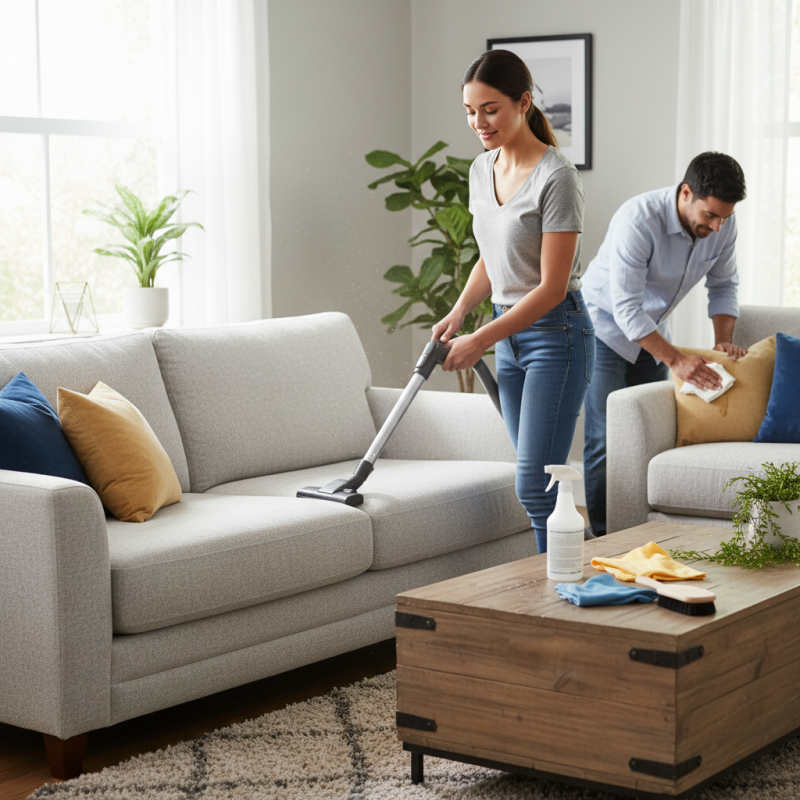
When maintaining fabric living room furniture, having the right cleaning supplies is crucial. Start with a vacuum cleaner that has a brush attachment. This tool helps remove dust, dirt, and pet hair effectively. Regular vacuuming prevents dirt from embedding into the fabric, making future cleaning easier. Moreover, a lint roller is handy for quick touch-ups. Keep it nearby for those unexpected guests.
Another essential item is a fabric cleaner. Look for a product that targets stains without damaging the fabric. Always test it on a hidden area first. Besides cleaners, consider microfiber cloths. They are soft and absorbent. Use them to blot spills immediately. This prevents stains from setting in. While these supplies are important, it’s easy to overlook them in the hustle of daily life.
Additionally, don’t underestimate the power of water. Sometimes, dampening a cloth with plain water can lift minor stains. However, too much moisture can lead to mold, so it’s a balancing act. Keeping cleaning supplies organized in a dedicated basket can streamline this process. A cluttered space can lead to missed spots while cleaning. Regularly reassess your cleaning routine for better results.
Step-by-Step Guide to Removing Stains from Fabric Upholstery
Cleaning fabric upholstery can be a challenging task. Studies show that 80% of homes have upholstery that could benefit from regular cleaning. Stains from food, drinks, and pets are common culprits. Addressing these issues quickly can prevent long-term damage.
For effective stain removal, it's essential to act quickly. Blot spills gently with a clean cloth. Avoid rubbing, as this can spread the stain. Research indicates that one-third of people don't take immediate action when spills occur. It’s crucial to keep a cleaning kit ready, including mild detergents and white vinegar. These items are often effective without damaging the fabric.
Using a steam cleaner can also be beneficial. According to industry reports, steam cleaning can eliminate 99.9% of bacteria and allergens in upholstery. However, improper usage may lead to water damage or mold growth. Always test a small, inconspicuous area first. This ensures that the fabric can handle the cleaning method without fading or warping.
Techniques for Regular Cleaning and Upkeep of Fabric Furniture
Keeping fabric furniture in excellent condition requires regular upkeep. A 2021 survey indicates that 60% of homeowners underestimate the importance of maintaining upholstery. Regular cleaning can significantly extend the life of your furniture.
Vacuuming your fabric furniture weekly helps remove dirt and allergens. Use an upholstery attachment to reach the crevices. Spot cleaning stains immediately is crucial. A simple solution of mild soap and water can often do wonders. Test it in a hidden area first to avoid damage. Also, a fabric protector can be a game-changer. This barrier repels stains and makes cleaning easier.
Despite these methods, some fabric may still show wear or fading. Experts recommend periodic deep cleaning every 6 to 12 months. A professional service can reach deeper fibers, removing trapped dirt and allergens. Research shows that men tend to neglect furniture care, often leading to costly replacements. By embracing routine care, we can preserve our furniture and create healthier living spaces.
Tips for Protecting Fabric Furniture from Dirt and Damage
Fabric furniture can elevate your living space but often requires protection from dirt and wear. One effective way to shield your fabric couch is by using a fabric protector spray. Regular application can repel stains and make cleaning easier. Be sure to follow the instructions carefully to avoid damaging the material.
Another useful tip is to establish a no-shoe policy in your living room. Shoes can track dirt and grime, which can quickly wear down fabric. Instead, encourage guests to remove their shoes at the door. This small change can significantly reduce the dirt that accumulates on your furniture.
Consider investing in slipcovers for added protection. They are easy to clean and can be replaced if they get damaged. Remember that even the best precautions will not guarantee complete protection. Regular maintenance and quick response to spills are critical in preserving your fabric furniture.
Over time, you might notice certain areas wearing faster than others. Reflecting on these challenges is essential for maintaining your living room's aesthetic appeal.
FAQS
: A vacuum with a brush attachment is crucial. Lint rollers and microfiber cloths are also very helpful.
Vacuuming weekly is recommended. This helps remove dirt and allergens effectively before they settle.
Blot spills with a clean cloth. Mild detergents and white vinegar are simple yet effective options.
Yes, dampening a cloth with plain water can aid stain removal. Be cautious of excessive moisture.
Using a fabric protector creates a barrier. It helps repel stains and simplifies future cleaning tasks.
Deep cleaning should occur every 6-12 months. It removes trapped dirt and allergens, extending furniture lifespan.
Many neglect immediate action on spills. Quick attention can prevent long-lasting damage to upholstery.
Yes, steam cleaners can kill 99.9% of bacteria. However, they must be used cautiously to avoid water damage.
Store cleaning supplies in a dedicated basket. This helps avoid clutter and streamlines your cleaning routine.
Many overlook regular maintenance of upholstery. This can lead to costly replacements and decreased furniture quality.
Conclusion
Cleaning fabric living room furniture effectively requires an understanding of the different fabric types used in upholstery. Each material may have specific care instructions, so recognizing these variations is essential for proper maintenance. To facilitate cleaning, gather essential supplies such as upholstery cleaner, soft brushes, and microfiber cloths.
The process of removing stains can be tackled through a step-by-step guide, which highlights the importance of acting quickly and using appropriate techniques. Regular cleaning and upkeep involve strategies like vacuuming and using fabric protectors to prevent dirt accumulation and damage. By following these guidelines, one can learn how to clean fabric living room furniture properly, ensuring your pieces remain in excellent condition for years to come.

 Living Land Furniture