Top Durable Fabrics for Living Room Furniture What Should You Choose?

Time:2026-06-10 Author:Isabella
0%

When choosing fabrics for living room furniture, durability is crucial. Homeowners often wonder, "What is the most durable fabric for living room furniture?" Finding the right material can enhance both style and functionality. The living room is a gathering place. It's where families relax, entertain, and create memories.

Fabrics must withstand wear, spills, and everyday life. Some popular options include microfiber, leather, and solution-dyed acrylic. Each material has unique benefits and potential drawbacks. Microfiber offers resistance to stains and fading, yet it can attract pet hair. Leather exudes luxury but needs regular care.

Understanding your lifestyle is key. Do you have kids or pets? Are you a frequent entertainer? Reflecting on these factors will guide your choice. Consider textures and colors that match your decor. Balancing aesthetics and practicality can feel overwhelming. However, making an informed decision pays off in the long run.
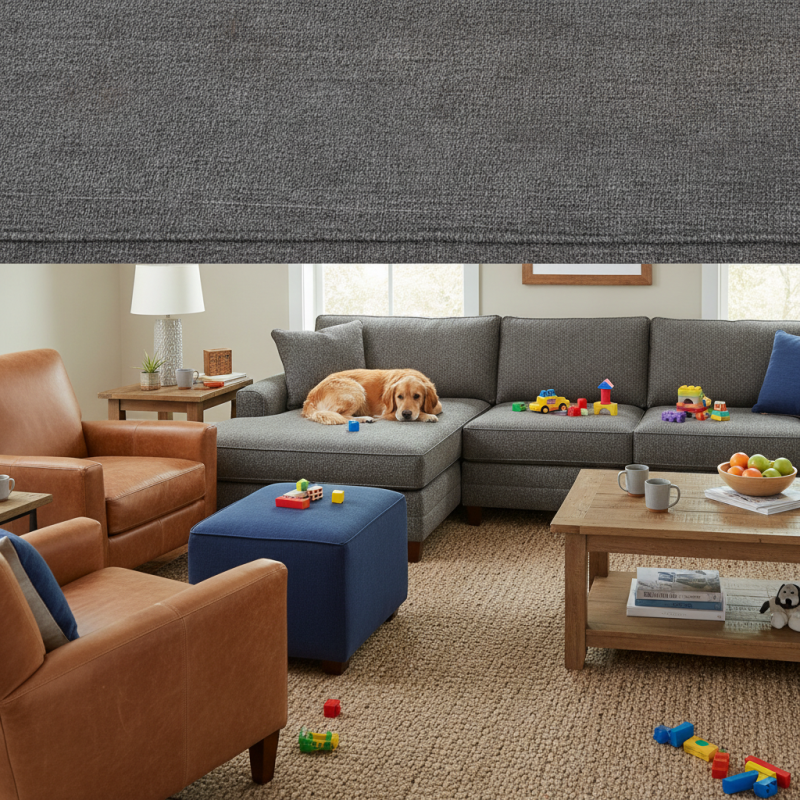
Top Durable Fabrics for Living Room Furniture What Should You Choose?

Top Durable Fabrics for Living Room Furniture: An Overview

When selecting fabrics for living room furniture, durability is key. Studies show that approximately 80% of furniture wear comes from everyday use. Choosing a strong fabric can enhance the lifespan of your sofa or chairs. Common options for durable fabrics include microfiber and leather blends. These materials resist stains and tears, making them suitable for high-traffic areas.

In a report by the Fabric Association, it was found that blended fibers can offer substantial durability. For instance, polyester blends can withstand up to 20,000 double rubs, indicating exceptional resistance to abrasion. Cotton may feel soft, but it often lacks the robustness necessary for heavily used furniture. Furthermore, fabrics treated for stain resistance can significantly increase longevity. This treatment can add a protective layer against spills and stains.

It's important to reflect on personal usage habits when choosing fabric types. If you have pets or young children, more robust options are advisable. However, some durable fabrics may not feel as comfortable. This balance between comfort and durability must be considered. Investing in high-quality materials can lead to greater satisfaction over time.

Top Durable Fabrics for Living Room Furniture: An Overview

Fabric Type Durability Rating Maintenance Level Typical Use
Leather High Low Sofas, Chairs
Microfiber High Medium Sofas, Ottomans
Canvas Medium Medium Cushions, Slipcovers
Polyester Medium Low Couches, Chairs
Acrylic High Low Outdoor Furniture
Denim Medium Medium Chairs, Ottomans

Understanding Fabric Durability: Key Factors to Consider

When selecting fabrics for living room furniture, durability is crucial. Understanding fabric durability requires assessing various factors. What the fabric is made of, its weave, and treatments impact longevity.

Natural fibers, like cotton and linen, offer breathability but can wear quickly. Synthetics, such as polyester, resist stains and damage well. However, the comfort level varies widely among these materials. Different weaves, like canvas or denim, add strength but may lack softness.

Consider maintenance requirements. Some durable fabrics require specific cleaning methods. Others may not withstand heavy use, revealing limitations. While expensive fabrics often promise durability, this isn't always the case. Investigating fabric characteristics is essential. Weighing these aspects helps ensure your living room remains stylish and resilient over time.

Comparative Analysis of Popular Durable Fabrics

When choosing durable fabrics for living room furniture, several options stand out. Upholstery fabrics like microfiber and canvas offer resilience against everyday wear. Microfiber is soft and easy to clean, making it ideal for homes with pets and children. Canvas, on the other hand, is strong and can withstand heavy use without showing much wear.

Another popular choice is performance fabric. This type of fabric combines durability with style. It is often resistant to stains and fading. However, not all performance fabrics are created equal. There can be variability in how they hold up over time. Some may lose their luster after repeated cleanings, while others maintain their integrity.

Look closely at fabric swatches. Feel the texture and examine the weave. A tighter weave usually indicates a stronger fabric. However, softer textures can also be appealing. Finding a balance between comfort and durability is key. It's essential to consider how the fabric will look and feel in the long run. Materials that seem perfect initially may require reevaluation after some use. Always keep in mind that your choice should reflect both style and practicality.

Top Durable Fabrics for Living Room Furniture

Maintenance Tips for Long-lasting Living Room Upholstery

Maintaining your living room upholstery is crucial for longevity. Dust and dirt accumulate quickly. Vacuum your furniture weekly to remove debris. Use a soft brush attachment to avoid scratching the fabric. This simple step can make a big difference over time.

Stains are inevitable, especially in high-traffic areas. When spills happen, act fast. Blot the area gently with a clean cloth; do not rub. Use a mild detergent mixed with water for tougher stains. Test any cleaner on a hidden area first. Some stains may not come out completely. Sometimes, professional cleaning is the best option.

Consider the fabric type when choosing upholstery. While some materials are more durable, they may still require special care. Water-resistant fabrics are excellent for homes with pets or children. However, they may not last as long under heavy use. Regular touch-ups, like reapplying protective sprays, can help. Finding the perfect balance between durability and maintenance can be challenging. Reflect on your lifestyle to make the best choice.

Choosing the Right Fabric Based on Lifestyle and Usage

Choosing the right fabric for living room furniture involves understanding your lifestyle and usage needs. Consider your daily activities. If you have pets or children, fabrics with high durability are essential. Microfiber and synthetic blends are excellent choices. They withstand spills and resist wear and tear. Natural fabrics, like cotton, can be soft but might not hold up against heavy use. Assess your lifestyle honestly before making a decision.

Tips: Opt for darker colors if stains are a concern. Patterns can disguise dirt better than solid colors. Regular maintenance keeps fabrics looking fresh. Vacuum upholstery often and treat spills immediately.

Reflect on how you use your space. If you entertain often, choose stain-resistant materials. If you prefer a cozy, quiet area, softer fabrics may be more suitable. Remember, the fabric should enhance your living space and fit your routine. Compatibility with your lifestyle is crucial; otherwise, you may regret your choice down the line.

FAQS

: What is the most durable fabric for living room furniture?

: Microfiber and leather blends are highly durable. They resist stains and tearing, ideal for high-traffic areas.

How do I identify durable fabrics?

Look for tighter weaves and blended fibers. Fabrics like polyester blends can withstand significant abrasion.

Are natural fabrics like cotton good for high-use furniture?

While soft, cotton may not hold up against heavy use. Choose synthetic or blended options for better durability.

How does lifestyle affect fabric choice?

Consider your daily activities, pets, and children. High-durability fabrics are essential for active households.

Can fabric treatments enhance durability?

Yes, stain-resistant treatments add a protective layer. This can significantly extend the fabric’s lifespan against spills.

How should I maintain my fabric furniture?

Regular vacuuming and immediate spill treatment are key. This keeps fabrics looking fresh and lasts longer.

Do darker colors help with stains?

Yes, darker colors can hide stains better than lighter colors. Patterns can also disguise dirt effectively.

Should I prioritize comfort or durability?

Balance is crucial. Some durable fabrics may feel less comfortable. Reflect on how the fabric fits your routine.

What if I choose the wrong fabric initially?

Always reevaluate after some use. What seems perfect may not hold up. Your choice must reflect your practical needs.

How can I ensure my fabric choice fits my style?

Explore fabric swatches and feel the texture. The fabric should enhance your living space and fit your routine.

Conclusion

When considering what is the most durable fabric for living room furniture, it is essential to understand key factors that contribute to fabric durability, such as fiber composition, weave, and finish. Fabrics like microfiber, leather, and synthetic blends often rank high due to their resistance to wear and tear. A comparative analysis can help homeowners determine which materials best suit their needs based on usage patterns.

Additionally, maintenance tips are crucial for preserving the integrity of upholstery. Regular cleaning and proper care can extend the life of durable fabrics, ensuring they withstand the demands of daily living. Ultimately, choosing the right fabric should align with personal lifestyles, ensuring functionality and longevity while enhancing the aesthetic appeal of the living space.

Isabella

Isabella

Isabella is a dedicated marketing professional with a sharp focus on driving brand growth and engagement through strategic content creation. With an extensive background in digital marketing, she combines her passion for storytelling with her keen understanding of industry trends to deliver......