Choosing furniture for kids and families is crucial. Durability is a key factor. Reports show that families often seek furniture that withstands wear and tear. A recent survey from the Home Furnishings Association found that 70% of parents prioritize durability when purchasing furniture. This reflects the need for items that last through daily use and the energy of children.
Expert designer Clara Johnson, known for her work in family-friendly interiors, emphasizes, “Investing in durable furniture can save money and heartbreak later.” Her insight highlights the importance of making informed choices. Families should consider materials that are easy to clean and resistant to stains. Furniture crafted from solid wood or high-quality engineered materials often stands the test of time.
It’s essential to balance style and function. Some parents might underestimate how quickly children can damage items that aren’t suited for their lifestyle. Reflecting on this can lead to better decisions. Understanding "How to choose durable furniture for families with kids" is not just about practicality but also about creating a safe and welcoming home environment.
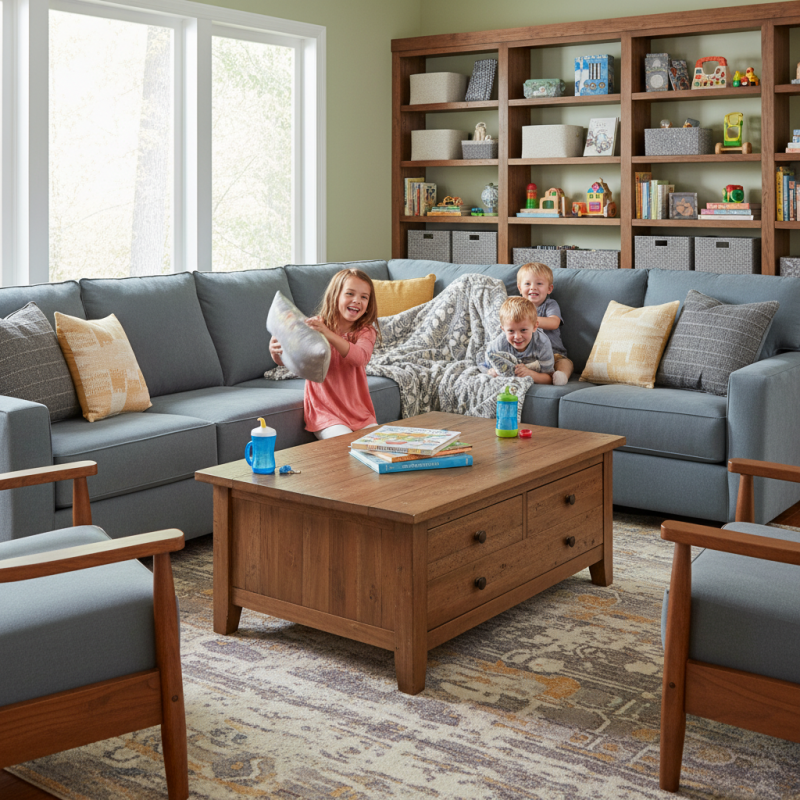
When families choose furniture, they face unique challenges. Kids are active, and furniture must withstand their energy. Studies show that 60% of households with children prefer durable materials, like high-density foam or solid wood. These options resist wear and tear better than soft furnishings.
Safety is also a critical concern. Many parents look for furniture with rounded edges and stable designs. Research indicates that 37% of accidents occur due to unstable furniture. This statistic highlights the need for sturdy choices with minimal tipping risk.
Families often wrestle with aesthetics versus function. While children may favor colorful designs, parents usually seek timeless styles. According to a survey, 75% of families prioritize functionality over appearance when selecting kids' furniture. Overall, understanding these dynamics helps families make informed decisions while ensuring comfort and safety for their children.
When selecting furniture for kids and families, material choice plays a crucial role in durability. According to studies, items made from solid wood, such as oak or maple, last longer than those made from engineered wood. Solid wood can withstand rough handling, making it ideal for active households. A report from the Furniture Manufacturers Association reveals that 70% of families prefer solid wood for its longevity.
Synthetic materials also have their merits. Fabrics like polyester and nylon are resistant to stains, ensuring that spills from kids don’t ruin the furniture. A survey by the American Home Furnishings Alliance indicates that 80% of parents consider stain resistance a top priority when purchasing furniture.
Tips: Consider removable and washable covers for upholstered items. This allows for easy maintenance. Choose furniture with rounded edges to prevent injuries during play. Always prioritize materials that offer both comfort and durability for the best investment in family furniture.
When designing furniture for family homes, durability is paramount. Furniture that can withstand the wear and tear of daily life is essential, especially for families with young children. Studies show that children’s furniture should be made from materials such as solid wood or high-quality composite materials. These options generally outlast cheaper alternatives like particleboard, which can deteriorate quickly.
The design should also consider safety. Rounded edges and non-toxic finishes reduce the risk of injury. According to the Consumer Product Safety Commission, more than 200,000 children under the age of five are treated for injuries related to furniture each year. Such statistics underline the importance of integrating safety features into design.
Finally, practicality plays a critical role. Furniture that incorporates storage solutions can help keep spaces organized. Multi-functional pieces can adapt as children grow, reducing the need for frequent replacements. An investment in well-designed, durable furniture can pay off over time, but families must continually evaluate their choices and prioritize long-lasting quality over temporary trends.
| Furniture Type | Material | Durability Rating | Care Instructions | Recommended Age |
|---|---|---|---|---|
| Sofa | Synthetic Fabric | 8/10 | Wipe with a damp cloth | All ages |
| Dining Table | Solid Wood | 9/10 | Avoid harsh chemicals | 6 years+ |
| Bookshelf | Metal | 7/10 | Dust regularly | All ages |
| Bed Frame | Plywood | 8/10 | Clean with a soft cloth | 3 years+ |
| Play Table | High-Density Plastic | 9/10 | Wash with soap and water | 2 years+ |
When choosing furniture for kids, safety features should be a top priority. Look for rounded edges to minimize the risk of injuries. Furniture that is lower to the ground is better because it reduces fall hazards. Additionally, ensure that any heavy pieces are stable and won't tip over if climbed on.
Tips: Always check if the materials used are non-toxic. Look for certifications that guarantee safety standards.
Secure furniture to the wall to prevent it from falling over. Many accidents occur when children pull on drawers or shelves. Choose items with locking mechanisms for drawers to keep small fingers safe.
Pay attention to small parts that could pose choking hazards. Regularly inspect furniture to ensure that it remains safe over time. Kids can be rough; wear and tear can create new risks. Being proactive can help prevent future accidents.
Choosing durable furniture for kids and families involves more than just aesthetics. Regular maintenance is key to extending the life of your investment. Start with a cleaning routine. Vacuum fabric surfaces weekly to remove dust and crumbs. For wooden pieces, dust them regularly with a soft cloth. This simple habit prevents scratches and maintains their shine.
Consider the environment where the furniture resides. High-traffic areas need extra care. Use coasters to protect surfaces from spills. If a stain occurs, address it immediately. Blot the area instead of rubbing it, as rubbing can spread the stain. Time is critical; the sooner you act, the better the results.
Even with good care, furniture can show wear over time. Examine it periodically for signs of damage. Tighten screws and fix any loose legs to avoid accidents. Kids can be rough, and it’s essential to assess furniture regularly. Be ready to adapt. Perhaps that cozy couch needs a slipcover, or your sturdy table could use a fresh coat of protective finish. A proactive approach fosters longevity in family furniture, making it both functional and appealing.
: Solid wood, like oak or maple, is generally more durable than engineered wood.
Fabrics like polyester are preferred for their stain resistance, making maintenance easier in busy homes.
Look for rounded edges and stable bases to reduce injury risks during playtime.
Multi-functional pieces offer storage and adapt as children grow, reducing the need for replacements.
Furniture with built-in storage solutions helps keep spaces tidy and organized, especially with kids.
Always ensure materials are non-toxic and look for certifications that confirm safety standards.
Regular inspections are essential. Wear and tear can create risks that need to be addressed proactively.
Yes, securing furniture prevents tipping accidents, especially when kids climb on drawers or shelves.
Durable furniture withstands daily wear and tear, providing a better long-term investment for families.
Yes, small parts can be choking hazards, so choose items without them and inspect regularly.
When considering how to choose durable furniture for families with kids, it's essential to understand the unique needs that arise from a busy household. Families require furniture that can withstand the wear and tear of daily life, which often includes spills, scratches, and active play. Key materials for durable, kid-friendly furniture include sturdy woods, treated fabrics, and non-toxic finishes that can handle the demands of children while ensuring safety.
Design considerations play a crucial role in creating long-lasting furniture. Look for pieces with rounded edges, sturdy construction, and versatility to adapt as your family grows. Evaluating safety features, such as stability and non-toxic components, is vital in children's furniture to ensure their well-being. Additionally, maintenance tips like regular cleaning and proper care will help extend the lifespan of family furniture, allowing it to provide comfort and support for years to come.

Living Land Furniture