Choosing the right dining table size is crucial for creating a harmonious dining space. Many homeowners struggle with the question, "How to pick the perfect dining table size for my space?" Your table can set the tone for gatherings, but size matters. According to a report by the Home Furnishings Association, 65% of consumers prioritize the dining area when designing their homes. An ideal dining table complements your room’s dimensions and allows for smooth movement.
An industry analysis shows that a table should offer 24 inches of space per diner for comfort. However, many overlook clearance space. The National Kitchen and Bath Association recommends at least 36 inches between the table and walls or furniture. This is vital for accessibility, especially during gatherings. Inadequate sizing often leads to cramped spaces, making it difficult to enjoy meals.
Moreover, personal habits and preferences influence the choice. Some may prefer a larger table for gatherings, while others might favor a cozier setting. Reflecting on these aspects can lead to better decisions. Making informed choices about size can elevate the dining experience for everyone involved.
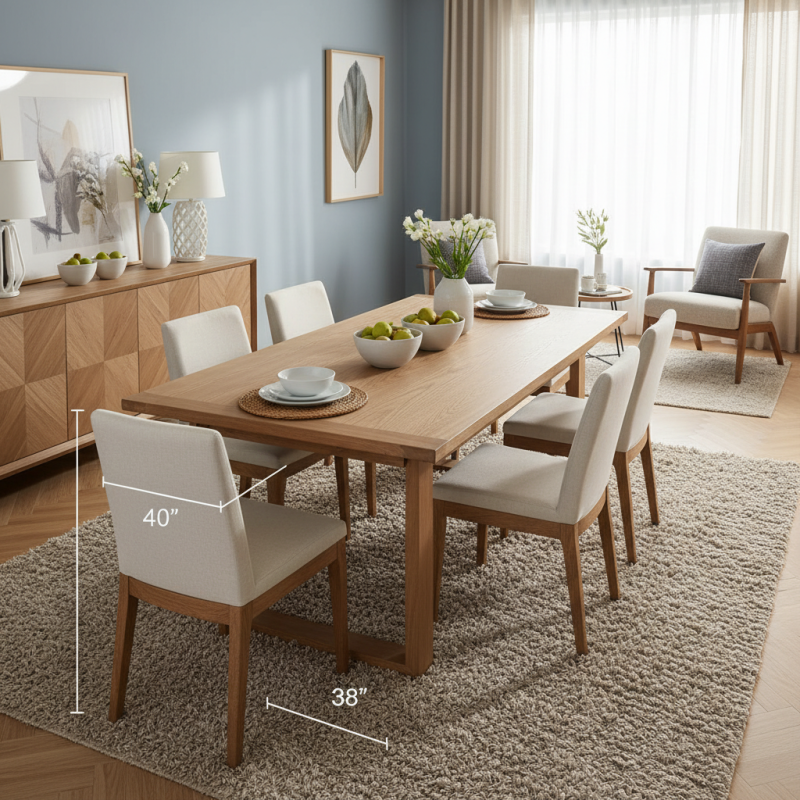
When it comes to choosing the right dining table size, measuring your space effectively is crucial. Start by obtaining accurate dimensions for your dining area. Use a tape measure to assess length, width, and height. Consider the space around the table, such as the chairs and walking areas. Aim for at least 36 inches between the table edge and walls or furniture. This distance ensures comfortable movement.
Think about your lifestyle too. Are family gatherings common? Do you host dinner parties? These scenarios influence table size. A larger table may seem appealing, but it can overwhelm smaller spaces. Visualize the arrangement. Use masking tape to outline the table dimensions on the floor. This trick gives you a clear picture of how it will fit.
Lastly, reflect on your needs. It’s easy to get caught up in trends or aesthetics. However, practicality matters most. A table should serve your daily routines first. Function should lead design. Prioritize what you truly need to avoid impulse purchases.
Choosing the right dining table size requires careful consideration of seating capacity. Industry studies indicate that the average person occupies about 24 inches of table space during meals. This means a rectangular table measuring 72 inches long typically accommodates six to eight people comfortably.
When planning for seating, consider future gatherings. Some reports show that 60% of homeowners wish they had opted for a larger table. If you regularly host family and friends, it might be worth investing in a table with additional capacity. For smaller spaces, round tables tend to create a cozier atmosphere while facilitating conversations, as they typically seat four to six people for casual dining.
Tip: Always measure your space before purchasing. Leave at least 36 inches between the table and walls or furniture for easy movement. Reflect on your lifestyle. Think about how often you entertain guests versus the size of your family. This will guide you in choosing a table that suits both everyday use and special occasions. A well-chosen dining table enhances both functionality and decor in your home.
This chart illustrates the recommended dining table width for different seating capacities in centimeters. Choosing the right size is crucial for comfort and functionality during meal times.
Choosing the right dining table shape is crucial for both style and functionality. Round tables are ideal for smaller spaces. They can seat up to eight people comfortably without sharp corners. According to a report by the National Kitchen and Bath Association, round tables enhance social interaction. Everyone can see each other and engage in conversations easily.
On the other hand, square tables fit well in compact dining areas. They are perfect for four to six guests. A study by the American Home Furnishings Alliance indicates that square shapes optimize corner space. This can create a cozy dining environment but may feel restrictive for larger gatherings.
Rectangular tables, with their long lines, can accommodate many guests. They are traditional and versatile. Still, they may disrupt conversation flow. A research study from the Furniture Today magazine highlights that people sitting at the ends of rectangular tables often feel isolated. This can hinder social dynamics over dinner. Consider your space, needs, and desired atmosphere. Finding the perfect table shape may require some reflection.
Choosing the right dining table height is essential for comfort. An optimal height allows everyone to sit comfortably. Standard table heights typically range from 28 to 30 inches. However, this can vary based on personal preferences and the types of chairs used. It's worth noting that mismatched heights can lead to an awkward sitting experience.
When selecting a height, consider your dining chairs. The space between the chair seat and the table should be about 10 to 12 inches. This gap ensures comfort while eating. If your chairs have armrests, account for that extra height. Test the combination before making a final decision. Sit, adjust, and see how it feels.
Taller tables are trendy, but not always practical. They can make it harder for shorter individuals to reach their food comfortably. Reflect on your guests' needs too, especially for gatherings. A height that accommodates everyone is important. Sometimes, a table that looks good may not serve its purpose well in practice.
Choosing the right dining table is crucial for enhancing your interior decor. A well-designed table can serve as a centerpiece and should align with your overall aesthetic. According to industry studies, nearly 70% of consumers prioritize style when purchasing furniture. The dining table’s shape and size can significantly affect the room's flow and visual appeal.
Incorporating textures and materials is essential. A wooden table may bring warmth, while a glass table can create an illusion of space. The color palette should harmonize with existing elements in the room. Research indicates that 65% of homeowners prefer tables that complement their decor themes. However, it's worth noting that not every style works for every space. Consider room size and lighting carefully.
Evaluating how well your table fits within the room's dynamics is vital. A table that’s too large can overwhelm a small space. Conversely, a tiny table may feel lost in a vast dining area. Sometimes, splitting styles can lead to a refreshing look. Yet, it’s easy to make mistakes, especially in mixing patterns. Keeping these aspects in mind can help you select a dining table that speaks to both function and style.
| Table Size | Suitable Room Size | Number of Seats | Style Recommendation |
|---|---|---|---|
| Small (60-80 cm diameter) | Compact Dining Areas | 2-4 Seats | Round table for cozy gatherings |
| Medium (90-120 cm diameter) | Standard Dining Rooms | 4-6 Seats | Rectangular table for versatile use |
| Large (130 cm diameter and above) | Spacious Areas | 8+ Seats | Oval table for elegant settings |
| Extendable Tables | Flexible Spaces | 2-10 Seats (variable) | Contemporary designs for adaptability |
: The average person requires about 24 inches of table space for meals.
A 72-inch rectangular table typically seats six to eight people comfortably.
Many homeowners wish for larger tables. Consider future entertaining needs.
Round tables usually create a cozy feel and encourage conversation.
Around 70% of consumers prioritize style when buying furniture.
Wood brings warmth, while glass can create an illusion of space.
The color should harmonize with existing elements to create visual appeal.
A large table can overwhelm a small room; a small table may feel lost in a big space.
Mixing styles can refresh a look, but it can also lead to mistakes.
Underestimating the space needed for movement is a common error.
Choosing the ideal dining table size involves several key considerations to ensure it fits perfectly within your space. Start by understanding your dining area; measure the dimensions effectively to determine how much room is available. Next, think about seating capacity—how many people you need to accommodate will greatly influence your choice. Options in table shape, such as round, square, or rectangular, can also affect how well the table suits your environment.
Height is another critical factor; selecting a dining table that is comfortable for all users can enhance the dining experience. Finally, ensure that the style and design of your table align with your interior décor, ensuring a harmonious aesthetic. By considering these factors, you will be well-informed on how to pick the perfect dining table size for my space, creating a dining area that is both functional and visually pleasing.
Living Land Furniture