When it comes to creating a cozy and functional living room, understanding "how to arrange living room furniture in a rectangular room" is essential. Renowned interior designer Kelly Wearstler emphasizes, “Furniture arrangement is the backbone of any room.” With her expertise, we can explore different layouts that enhance both aesthetics and utility.
Arranging furniture in a rectangular space can be tricky. You want to avoid overcrowding while ensuring comfort and flow. Start by determining your room's focal point, like a fireplace or a window. Position key pieces, such as sofas and chairs, to encourage conversation. Consider varying heights and shapes for visual interest. Often, people overlook their furniture's scale; too large can dominate the space, while too small can feel lost.
Lighting is another crucial aspect. A well-placed lamp can dramatically change a room's feel. Don’t hesitate to experiment with different layouts. You might find that a slightly off-center arrangement creates a more inviting atmosphere. Remember, finding the perfect setup may require adjustments as you live in the space.
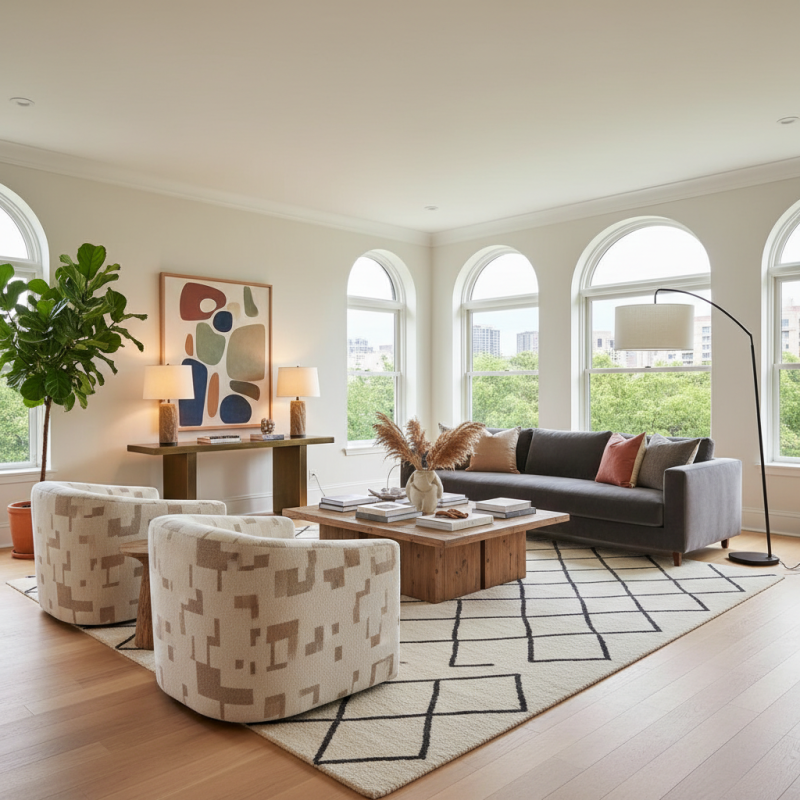
Arranging furniture in a rectangular living room can enhance both aesthetics and functionality. Start by considering the flow of the space. Ensure pathways are clear and furniture placement encourages easy movement. Avoid pushing all furniture against the walls; this can create a cold, uninviting atmosphere. Instead, float your sofa and chairs to create an intimate seating area.
Tips: Use area rugs to define different sections. A large rug can unify the space, while smaller ones can demarcate zones. Consider the sightlines as well. Keep taller pieces away from windows to maintain natural light. Mirrors can also help create an illusion of depth, making the room feel larger.
When choosing furniture, scale is key. Oversized furniture can overwhelm the space, while too-small pieces may feel lost. Look for versatile furniture that offers storage solutions. Ottomans can serve as seating or a coffee table, which maximizes utility. Balancing style with practicality is vital. It’s okay to experiment, even if some arrangements don’t work as planned; reflect and adjust as needed.
Arranging furniture in a rectangular living room can enhance both space and comfort. One effective layout involves placing the sofa against the longest wall. This creates a cozy focal point. Add accent chairs to the opposite side. This sets up a friendly conversation area. Keeping pathways clear is essential. Try to leave at least 18 inches of space between furniture pieces.
Think about the room's purpose. If you entertain often, a U-shaped setup may be best. Position two sofas across from each other with a coffee table in the center. This invites guests to relax. However, consider how the layout affects movement and flow. It’s easy to feel cramped if furniture is too close together.
Lighting can also transform the room. Use floor lamps in dark corners. This makes the space feel larger. Mirrors can help reflect light and create depth. However, avoid clutter. Too many pieces can muddle the design. Balance is key. Reflect on how your layout serves your daily life. Each change should enhance both style and function.
In arranging furniture in a rectangular living room, focal points play a crucial role. A fireplace, artwork, or large window can serve as an anchor. Positioning seating around these elements enhances visual interest. For example, a sofa facing a beautiful view creates a serene atmosphere. Adding accent chairs or a coffee table can amplify this effect.
Consider the flow of movement in the room. Ensure pathways are clear for easy navigation. Sometimes, arrangements that seem ideal might disrupt flow. Test different layouts to see what feels right. An ideal setup often requires adjustments.
Personal style also matters in creating focal points. Incorporate colors or textures that resonate with you. Each decision can affect the overall vibe. Reflecting on how you want the room to feel is essential. Don't hesitate to rearrange if something looks off. Aim for comfort and visual appeal.
This chart demonstrates the popularity of various furniture arrangement styles in rectangular living rooms based on a survey of interior designers. The focal points help enhance visual interest and functionality in the layout.
Arranging furniture in a rectangular living room can improve both aesthetics and functionality.
Prioritizing traffic flow is essential. You want to avoid cluttered pathways.
A clear path allows for easy movement around furniture. This is especially important during gatherings.
It keeps the atmosphere open and inviting.
Consider positioning larger pieces, like sofas, away from entry points.
This encourages natural movement toward focal areas, such as a fireplace or a TV.
Create cozy conversation areas. Small chairs or ottomans can enhance flexibility.
They can be moved easily, adapting to different situations.
Ensure there's at least 24 inches of walking space between furniture pieces.
When placing furniture, think about accessibility.
Is every seat reachable without obstacles? If guests struggle to move around, they'll feel uncomfortable.
Use rugs to delineate spaces. They offer visual interest while guiding flow.
However, they can also create barriers if too bulky. Ensure that the rug size complements the overall arrangement for a balanced look.
Color and texture play significant roles in how we perceive space in living room design. According to a study by the American Society of Interior Designers, nearly 90% of people feel that color affects their mood and sense of space. For instance, light colors can open up a room, making it appear larger. Shades of white or soft pastels can create an airy feeling, ideal for a rectangular room where width may be limited. Conversely, dark tones can cozy a space but may also make it feel constricted if not balanced carefully.
Texture further influences our space perception. Incorporating varied textures, like plush cushions, smooth furniture, or woven rugs, can add depth. The same report highlighted that rooms with mixed textures appear more inviting. When arranging furniture, think about combining soft fabrics with sleek wooden finishes. This approach not only livens up the space but can also subtly direct attention. In a rectangular room, positioning a plush rug beneath a coffee table can break up the expanse and create designated areas.
However, achieving balance can be complex. Excessive use of color or conflicting textures can lead to visual clutter. This might overwhelm the senses rather than enhance comfort. It’s crucial to evaluate each addition and ask whether it contributes to the desired atmosphere. Focus on creating harmony with your color and texture choices to optimize not just the look, but also the feel of your living space.
| Arrangement Type | Color Scheme | Texture Used | Space Perception | Ideal Room Size |
|---|---|---|---|---|
| Open Layout | Neutral & Pastel | Smooth Fabrics | Creates a airy feel | 150-250 sq ft |
| Zone Division | Bold Colors | Textured Throws | Defines areas | 200-300 sq ft |
| Symmetrical Arrangement | Classic Monochromes | Rich Patterns | Balanced look | 180-280 sq ft |
| Asymmetrical Layout | Warm Tones | Layered Textures | Dynamic feel | 250-350 sq ft |
| Multifunctional Areas | Cool Blues & Grays | Mixed Textures | Practical use | 300-400 sq ft |
: Consider the flow of the space. Clear pathways are essential for easy movement.
No, this creates an uninviting atmosphere. Floating furniture can encourage intimacy.
Rugs define sections and can unify or demarcate zones within the room.
Light colors can make a room appear larger, while dark tones may feel constricted.
Varied textures add depth and can make a room feel more inviting and dynamic.
Yes, combining styles can enhance visual interest, but be cautious of excessive conflict.
Scale is crucial. Oversized pieces can overwhelm, while small items may feel lost.
No, experimentation is important. Reflect on arrangements that don’t work and adjust.
Mirrors create an illusion of depth and can help maintain natural light.
Aim for harmony; excessive use can lead to visual clutter and discomfort.
When considering how to arrange living room furniture in a rectangular room, it is essential to focus on key aspects such as space optimization, comfort, and visual appeal. Efficient layouts that prioritize movement and accessibility can significantly enhance the functionality of the space. Furthermore, establishing a focal point, such as a fireplace or a piece of art, can add interest and help guide the arrangement of furniture around it.
Expert tips also suggest paying attention to the color and texture of furniture, as these elements can influence the perception of space in your living area. By thoughtfully combining these considerations, homeowners can create a harmonious living room that balances aesthetics with practicality, making the most of a rectangular layout.

Living Land Furniture