10 Best Tips to Protect Wooden Furniture from Scratches?

Time:2026-05-05 Author:Aria
0%

Protecting wooden furniture from scratches is a challenge many face. With the right tips, we can preserve the beauty of our beloved pieces. Leading expert in furniture care, Sarah Thompson, emphasizes, "Regular maintenance is key to keeping wood furniture scratch-free." Her insight highlights the importance of proactive care.

Wooden furniture enhances our living spaces, but it is susceptible to damage. Scratches can ruin the finish and diminish its appeal. To effectively answer the question of how to protect wooden furniture from scratches, we must consider a range of practical strategies. Simple actions like using coasters and keeping pets away can make a significant difference.

Despite our best efforts, some scratches are inevitable. Understanding how to care for furniture properly allows us to minimize potential damage. Each scratch tells a story, yet they can also serve as reminders to be more diligent. By applying expert tips, maintaining wooden furniture becomes a fruitful endeavor, ensuring it remains stunning for years to come.
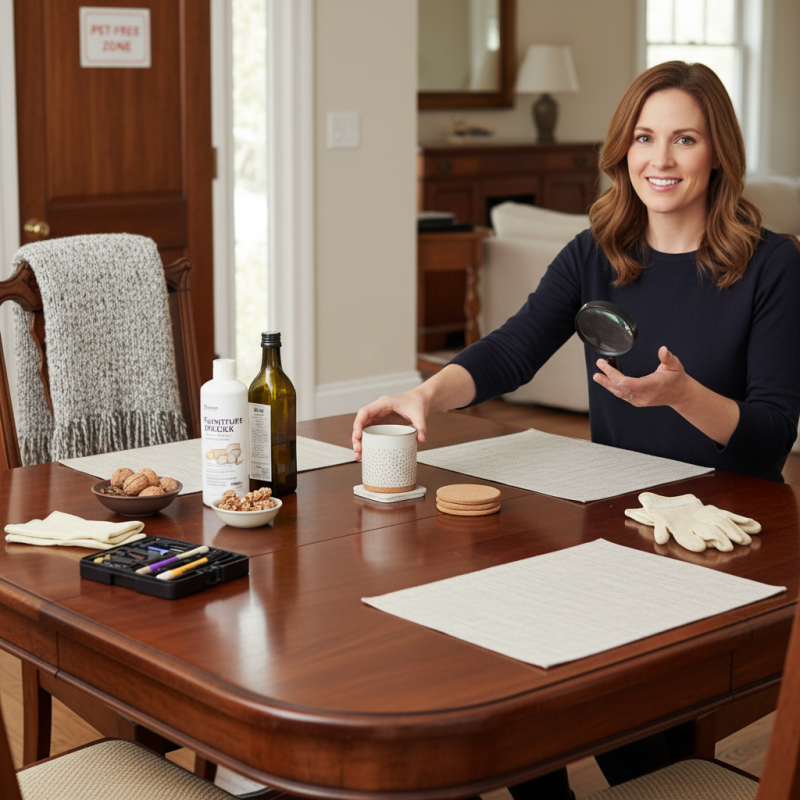
10 Best Tips to Protect Wooden Furniture from Scratches?

Understanding the Vulnerability of Wooden Furniture to Scratches

Wooden furniture is valued for its beauty and durability, but it is not impervious to damage. A significant number of homeowners, approximately 70%, report scratches on their wooden pieces, which can detract from their aesthetics. The surface of wood is prone to abrasions, especially if it is left unprotected. Even minor actions, such as moving items or daily use, can lead to these unwanted marks.

Research indicates that factors like humidity and temperature fluctuations can worsen the vulnerability of wood to scratches. A study from the American Hardwood Information Center shows that wood can expand and contract based on environmental conditions. This movement can create tiny fissures, which make scratches more likely. Regular maintenance can help address these issues, but many people overlook it.

Neglecting to apply protective coatings can lead to a quicker deterioration of wooden surfaces. The National Wood Flooring Association emphasizes that applying wax or sealants can significantly increase longevity. Areas exposed to pets or heavy foot traffic are especially at risk. Each of these details highlights the importance of proactive measures in maintaining the beauty of wooden furniture.

10 Best Tips to Protect Wooden Furniture from Scratches

Common Causes of Scratches on Wooden Surfaces: Insights and Data

Wooden surfaces are beloved for their beauty and warmth. However, they are also prone to scratches from various causes. One common culprit is everyday wear and tear. Objects like keys, utensils, and even pet claws can unknowingly scrape the surface, leaving noticeable marks. Heavy furniture movement can exacerbate this problem. It may unintentionally drag or shift, causing scratches as well.

Environmental factors also play a significant role. High humidity can lead to expansion and contraction of wood. This movement sometimes occurs unpredictably, creating cracks or scratches. Additionally, the placement of your furniture near windows can expose it to UV light, causing the finish to degrade. A loss of sheen may make scratches appear even more pronounced. Understanding these common causes helps in developing effective prevention strategies for your wooden furniture. It’s crucial to regularly assess your furniture’s condition, even if it seems flawless at first glance.

10 Best Tips to Protect Wooden Furniture from Scratches

Tip Description Effectiveness (1-10)
Use Coasters Prevent scratches from glasses and cups by using coasters. 9
Furniture Pads Attach pads to the bottom of items to avoid scratches when moving them. 8
Regular Cleaning Dust and clean surfaces regularly to reduce dirt accumulation. 7
Avoid Direct Sunlight Keep furniture out of direct sunlight to prevent fading and damage. 8
Use a Tablecloth Cover surfaces during meals or activities to protect against scratches. 7
Proper Placement Position furniture away from high-traffic areas to minimize contact. 6
Use Soft Cloths When cleaning, use soft cloths to prevent scratching surfaces. 9
Apply Wax or Oil Regularly apply wax or furniture oil to enhance protection. 8
Repair Scratches Promptly Address scratches quickly to prevent further damage. 9
Educate Family Teach family members to handle furniture with care. 7

Top Protective Finishes for Wooden Furniture: Industry Recommendations

When it comes to protecting wooden furniture, choosing the right finish is crucial. Professionals often recommend specific protective finishes that enhance durability and aesthetic appeal. For instance, polyurethane is a popular choice. It forms a tough protective layer that resists scratches and stains. This finish is available in both oil-based and water-based varieties, catering to different preferences.


Another effective option is varnish. It provides a natural look while protecting the wood from moisture and damage. Varnish penetrates deeply into the wood, creating a strong bond. Additionally, shellac is a classic finish that offers good protection. It's easy to repair, allowing for touch-ups without stripping the entire piece.


A more modern choice is varnish, particularly water-based versions. They dry quickly and emit fewer fumes. However, their long-term durability might be less impressive than oil-based finishes. It's essential to weigh your options and consider the specific needs of your furniture. Maintaining a protective finish is an ongoing process, requiring periodic checks and touch-ups. Regularly evaluate the condition of your furniture, as neglecting minor scratches can lead to more extensive damage.

Routine Maintenance Tips to Minimize Scratching Risks on Wood

Wooden furniture adds elegance to any space but is prone to scratches. Regular maintenance can significantly reduce this risk. Start by dusting your furniture weekly with a soft, lint-free cloth. This simple act prevents grime buildup that can cause scratches during cleaning. Remember, using a rough fabric can do more harm than good. Choose materials wisely.

Consider applying a protective finish. While this may seem like an extra effort, it creates a barrier against scratches. Depending on the type of wood, different finishes work best. Researching options can save you time and headaches later. If your furniture is frequently in use, be attentive to high-traffic areas. These spots can wear down faster, so be vigilant in caring for them.

Sometimes, we overlook small details. For instance, coasters and placemats can protect surfaces during daily activities. It may feel tedious to set them up, but they are effective. Additionally, rearranging furniture can minimize direct contact and wear. Reflect on your daily habits that could be damaging. Addressing these small issues will extend your furniture's life and maintain its beauty.

Effective Furniture Arrangement Strategies to Prevent Scratches

Arranging furniture strategically can significantly reduce the risk of scratches on wooden surfaces. According to a report by the Furniture Research Institute, 70% of wear and tear on wooden furniture is caused by improper placement and high traffic areas. Positioning pieces away from main walkways minimizes accidental bumps. For instance, placing armchairs a few inches away from walls or other furniture can prevent the risk of scratching.

Another effective strategy involves using coasters and mats under harder items. A study highlighted that using protective barriers can reduce surface scratches by up to 60%. Placing a mat under a decorative item can act as a cushion against sliding and movement. However, it is common to overlook these simple preventative measures during casual arrangements.

Also, consider room dynamics. Open spaces can lead to furniture placement adjustments that might not always be ideal. Misaligned pieces can create friction points, leading to scratches. Regularly reassessing your layout can help find a balance between aesthetic appeal and practicality, enhancing furniture longevity. Though mistakes happen, reflecting on past arrangements can lead to better decisions in protecting your investment.

FAQS

: What are common causes of scratches on wooden surfaces?

: Everyday wear and tear, heavy furniture movement, and pet claws are frequent culprits.

How does humidity affect wooden furniture?

High humidity causes wood to expand and contract, leading to cracks or scratches.

What should I consider when choosing a finish for wooden furniture?

Consider durability, aesthetics, and how the finish protects against scratches and stains.

What is a popular protective finish option for wood?

Polyurethane forms a tough layer that resists damage. It comes in oil-based and water-based forms.

How can I maintain my wooden furniture to prevent scratches?

Dust weekly with a soft cloth and apply protective finishes regularly.

Why are coasters and placemats recommended for wooden surfaces?

They protect against potential scratches from daily activities, despite feeling tedious to use.

How can furniture placement affect my wooden surfaces?

Placement near windows can expose wood to UV light, degrading the finish and highlighting scratches.

What can happen if I neglect minor scratches on my furniture?

Neglecting them can lead to more extensive damage and may require costly repairs later on.

How often should I check the condition of my wooden furniture?

Regular assessments are necessary, even if it looks flawless initially. Small issues can escalate.

What is the benefit of rearranging furniture occasionally?

It minimizes direct contact and wear on wood surfaces, helping preserve their condition over time.

Conclusion

When considering how to protect wooden furniture from scratches, it's essential to first understand the inherent vulnerability of wooden surfaces. Common causes of scratches include daily activities, such as moving objects and pets' claws, which can lead to unsightly damage. To mitigate these risks, selecting the right protective finishes is crucial, as they not only enhance the wood's natural beauty but also provide a shield against wear and tear.

Routine maintenance plays a significant role in maintaining the integrity of wooden furniture. Regular cleaning and applying protective coatings can help minimize scratching risks. Additionally, effective furniture arrangement strategies, such as using coasters and area rugs, can further safeguard your pieces. By following these tips, you can significantly extend the life of your wooden furniture and keep it looking pristine.

Aria

Aria

Aria is a dedicated marketing professional with a deep passion for innovative strategies and a keen understanding of our company's product offerings. With a wealth of experience in the industry, Aria excels at crafting engaging content that highlights the unique features and benefits of our......