Arranging living room furniture around a TV can be a challenging task. According to a report by the National Association of Home Builders, nearly 70% of homeowners prioritize their entertainment space when designing living areas. This underscores the importance of effective furniture placement. Expert interior designer Sarah Thompson emphasizes, "Understanding the flow and sight lines in your living room drastically enhances the viewing experience."
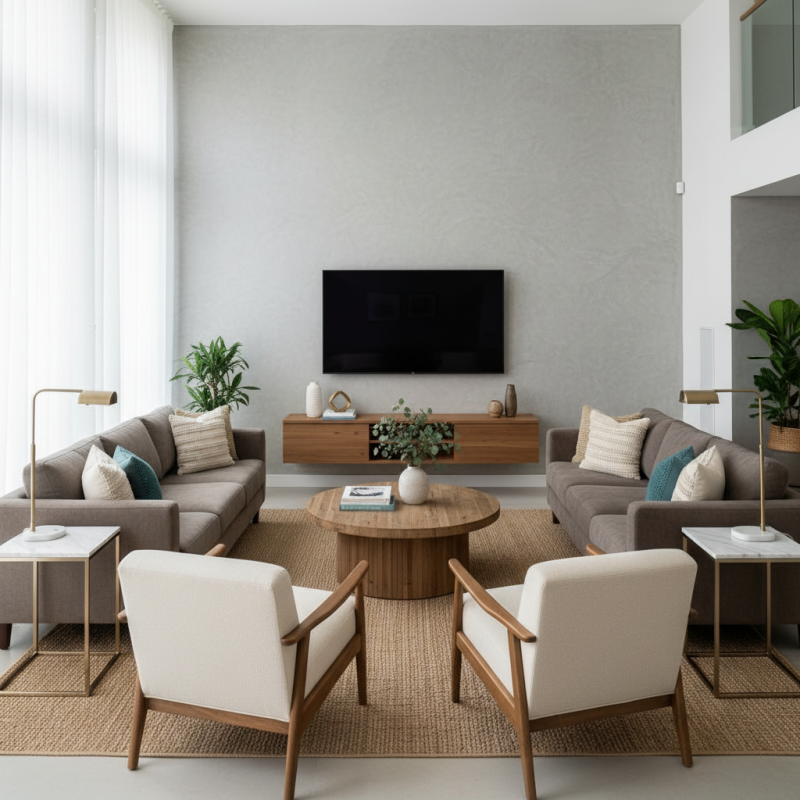
When considering how to arrange living room furniture with a TV, it's essential to create a balanced and inviting environment. Most people overlook the positioning of other furniture pieces, which can make or break the overall aesthetic. A well-placed sofa encourages conversation, while side tables should be within reach yet not obstructive. Remember, style and functionality can coexist. However, many still struggle with finding the perfect layout that accommodates both comfort and visual appeal.
Additionally, lighting plays a crucial role in this setup. Poor lighting can lead to glare on the screen. Thus, incorporating adjustable lamps can enhance viewing pleasure. As you navigate how to arrange living room furniture with a TV, don't shy away from experimenting. After all, a truly engaging living room reflects your personal style while making space for family and friends.
Choosing the right TV size for your living room can significantly affect your viewing experience. Measure the distance from your seating to where the TV will be placed. A common guideline is to divide that distance by 2. For example, if your couch is 10 feet away, a 60-inch screen might be ideal. This ensures comfortable viewing without straining your eyes.
Consider the layout of your room. If you have a large space, a bigger TV can create a focal point. However, in small rooms, a large screen could overwhelm the space. Keep the TV proportionate to the area. Avoid placing it too high or too low. Aim for eye level when seated. Lighting also plays a role. Bright spaces may require a higher contrast screen.
Reflect on the overall design of your living room. Your TV shouldn’t clash with your décor. A mismatched TV can disrupt the aesthetic. Think about how the TV's size affects your furniture arrangement. Be cautious of clutter when packing furniture around the screen. Balancing comfort and style is essential for a harmonious living room.
Determining the optimal viewing distance from your TV is crucial for a comfortable viewing experience. Experts recommend sitting at a distance of 1.5 to 2.5 times the diagonal size of your TV for an immersive feel. For example, if you have a 55-inch TV, your seating should be 6.5 to 11.5 feet away. This can enhance picture clarity and reduce eye strain. A study by the Consumer Technology Association indicates that viewers experience a better sense of depth and realism when following this guideline.
When arranging your living room furniture, consider the layout carefully. Keep the seating aimed directly at the TV, creating a comfortable line of sight. Try to avoid any obstructions that can hinder viewing. Another tip is to position seating at eye level with the TV. This prevents neck strain and improves comfort during long viewing sessions. According to the American Vision Council, a well-optimized living room can lead to a better viewing experience, as bad arrangements can cause distractions.
Lastly, be mindful of lighting. Natural light can reflect off the screen and impact visibility. Use curtains or blinds to control this. You may think that adjusting light isn’t important, but it makes a significant difference. We often overlook the effects of ambient light on our viewing experience. Maximizing comfort requires attention to everything in the space.
Arranging furniture in the living room is crucial for enhancing both sightlines and comfort. According to recent surveys, 67% of homeowners prioritize clear sightlines when organizing their living spaces. This approach not only makes the area feel more open, but it also increases the room’s functionality. Positioning the TV at the eye level of seated viewers significantly improves the viewing experience. Aim for 42 inches to 50 inches from the floor, which aligns with key ergonomic principles.
Comfort is equally important. A cozy living space invites relaxation and social interaction. Industry experts recommend a seating arrangement that encourages conversation. Ideally, chairs should face each other or the sofa, allowing for easy engagement. A common mistake is pushing all furniture against the walls; instead, consider floating furniture to create intimacy. Aim for 18 inches between coffee tables and sofas to ensure ample legroom.
Though perfect layouts are rare, small adjustments can create a huge impact. Try moving pieces around to test different configurations. Don’t hesitate to reevaluate your setup regularly. An adaptable space evolves with your needs. Engaging with your environment makes a difference.
Creating an inviting atmosphere around your TV is vital for a cozy living room setup. Well-placed lighting can transform how you experience your TV time. According to a study by the American Society of Interior Designers, proper lighting can enhance mood and reduce eye strain by up to 50%. This means that integrating varied lighting sources around your TV area can significantly improve your viewing experience.
Consider using floor lamps or table lamps to offer warm ambient light. Dimmer switches can also allow flexibility for different activities. A recent report from the Lighting Research Center emphasized that layered lighting—combining ambient, task, and accent lighting—can make the living room feel more inviting. This approach helps set the perfect tone while avoiding harsh glare from screens, which can be distracting.
While creating the right atmosphere, reflect on the placement of your lights. You might find that some spots are too bright, causing discomfort during late-night viewing. Test different arrangements to see which creates a harmonious balance. Maintaining a soft glow from light sources tucked behind furniture can add depth and warmth to your living room while spotlighting your TV as a focal point of relaxation.
| Tip | Description | Lighting Incorporation |
|---|---|---|
| 1. Center the TV | Place the TV on a focal wall to make it the centerpiece of the room. | Use floor lamps on each side for accent lighting. |
| 2. Consider Viewing Distance | Maintain an appropriate distance from the seating to the TV for comfort. | Add dimmable overhead lights to adjust brightness as needed. |
| 3. Create Comfortable Seating | Arrange seating to ensure everyone has a good view of the TV. | Incorporate sconces for indirect lighting that enhances comfort. |
| 4. Use a Console Table | Place a console table beneath the TV for decorations and storage. | Highlight the table with a stylish table lamp. |
| 5. Incorporate Area Rugs | Define the seating area with an area rug for warmth and texture. | Use LED strip lighting under furniture for an ambient glow. |
| 6. Balance the Space | Distribute furniture and accessories evenly to avoid clutter. | Add pendant lights to draw eyes upward for balance. |
| 7. Use Multi-functional Furniture | Choose furniture that can serve multiple purposes to save space. | Accent with soft lighting from each piece for a cozy effect. |
| 8. Plan for Traffic Flow | Ensure that there is a clear pathway through the room. | Install wall sconces to minimize obstacles and enhance flow. |
| 9. Personalize Your Space | Add personal decorations that reflect your style. | Use spotlights to emphasize artwork and personal touches. |
| 10. Regularly Update the Layout | Change the arrangement periodically to refresh the room. | Experiment with different lighting setups to match the new layout. |
When arranging your living room around a TV, accessories and decor play a crucial role. Choose accessories that enhance the overall aesthetic without overwhelming the space. A beautiful area rug can anchor the seating arrangement.
Place coffee tables and side tables with stylish lamps to create balance and warmth in the room.
Artwork is another vital element. Hang pieces that resonate with your style and lean towards lighter colors. These can draw the eye up, diverting attention from the TV when it’s off.
Consider adding shelves for books and plants. They add texture and fill empty spaces, making the room feel lived-in.
Reflect on how much tech you want displayed. Too much equipment can clutter the area. Use sleek cabinets to hide cables and devices.
This way, you achieve a tidy look while still enjoying your favorite shows. The goal is to create a welcoming environment that feels intentional.
: Sit 1.5 to 2.5 times the TV's diagonal size away. For a 55-inch TV, that's 6.5 to 11.5 feet.
Aim seating directly at the TV and avoid obstructions. Keep the seating at eye level for comfort.
Proper lighting reduces eye strain and enhances visibility. Natural light can cause reflections, so control it.
Many push furniture against walls. Instead, float it for a more inviting and intimate setup.
Chairs should face each other or the sofa. This encourages relaxation and conversations among guests.
Regularly test different configurations. Spaces evolve, and small adjustments can make a big difference.
Use ambient light sources like floor and table lamps. Layered lighting makes the space more inviting.
Maintain 18 inches for legroom. Comfort helps enhance the viewing experience.
Yes, they offer flexibility to create the right mood for various activities while watching TV.
Test different light arrangements; too much brightness can be uncomfortable during late-night viewing.
When considering how to arrange living room furniture with a TV, it’s essential to start by choosing the right TV size that fits comfortably within your space. The optimal viewing distance from the TV significantly impacts your overall experience, so be sure to measure accordingly. Next, focus on arranging furniture to enhance sightlines and provide comfort, ensuring that seating faces the TV without any obstructions.
Incorporating lighting can create an inviting atmosphere, softening the focus on the screen while enhancing the room's aesthetic. Finally, using accessories and decor that complement your TV setup will help tie the space together, creating a cohesive and stylish living area. By following these tips, you can create a living room layout that is both functional and visually appealing.

Living Land Furniture