Choosing the right material for dining room furniture can significantly affect both functionality and aesthetics. When considering "What is the best material for dining room furniture?", several options come to mind. Each material brings unique attributes that may or may not align with your needs.
Wood, known for its timeless beauty, offers durability. However, it may require regular maintenance to prevent wear and tear. Metal, on the other hand, provides a sleek modern look but may not suit all home styles. Consider how your space is designed. Upholstered pieces can add comfort but may be challenging to clean. Each material presents pros and cons that warrant reflection.
Ultimately, selecting the ideal material demands careful thought. It's essential to weigh your lifestyle against each option's characteristics. A decision made hastily could lead to regret later. Take the time to explore your choices and find what truly fits your dining experience.
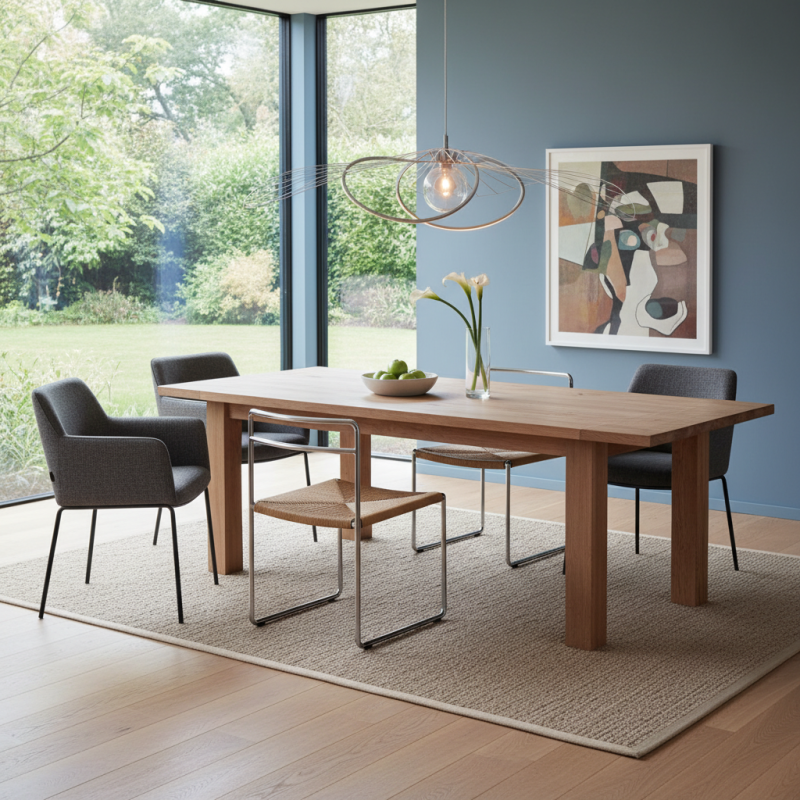
Top 5 Best Materials for Dining Room Furniture: An Overview
Choosing the right materials for dining room furniture significantly impacts both aesthetics and functionality.
Wood stands out as a classic choice. It brings warmth and character to the space.
Among wooden options, oak and walnut are durable and easy to maintain, but they can be pricey.
Metal has gained popularity for modern dining rooms. It offers a sleek look and is highly resilient.
When paired with wooden or glass finishes, metal can create striking contrasts. However, it may require more cleaning to avoid fingerprints and rust.
Glass is another option worth considering. It adds a sense of openness and elegance.
In smaller dining rooms, glass tables can help create an airy feel. Yet, they are prone to scratches and can be fragile,
which might not suit families with young children. Ultimately, each material has its pros and cons.
Choosing the right one depends on your style and lifestyle needs.
Wood: Durability and Aesthetic Appeal in Dining Furniture
Wood has long been a popular choice for dining room furniture, thanks to its durability and aesthetic appeal. Different types of wood, such as oak, walnut, and cherry, each offer unique characteristics. Oak, for instance, is strong and resistant to wear, making it ideal for everyday use. Walnut features rich, dark hues that add warmth and elegance to any space.
However, wood also requires proper care to maintain its beauty. Scratches and stains can occur if furniture isn’t treated carefully. Regular polishing helps preserve the finish and extends the life of wooden items. Choosing the right wood for your needs can be challenging, as every type has its advantages and disadvantages. Consider your dining patterns and style preferences when making a decision.
Additionally, wood can be vulnerable to humidity and temperature changes. This means you might need to adjust your home’s environment to protect your furniture. Understanding these factors will help you make a more informed choice. Investing in quality wood furniture can be satisfying, yet it demands thoughtful consideration.
Metal: Strength and Modernity in Dining Room Design
Metal has become a popular choice in dining room design. Its strength and durability make it a standout material. Whether used in chairs, tables, or decor, metal adds a modern touch. This industrial aesthetic can easily complement various design styles. A sleek metal dining table can be both functional and stylish.
When incorporating metal, consider the balance with softer materials. Wood or fabric can warm up a space. Mixing textures creates visual interest and comfort. Don’t be afraid to experiment with finishes, like matte or brushed metal. Each finish brings a unique character to the piece.
Tips: Be mindful of the weight. Heavy metal furniture may need a sturdy base. Also, ensure proper maintenance. Regular cleaning prevents tarnish and keeps pieces looking fresh. Finally, reflect on your space’s overall vibe before committing. Metal can be bold, but too much may overwhelm a room. Choose wisely to enhance your dining experience.
Glass: Versatility and Elegance for Contemporary Spaces
Glass dining room furniture offers a unique blend of versatility and elegance. It complements contemporary spaces beautifully. The transparency of glass creates an illusion of more space. This is particularly beneficial in smaller dining areas. Clear glass dining tables can reflect light, enhancing the overall ambiance.
When selecting glass for your dining room, think about the safety aspect. Break-resistant tempered glass is a popular choice. It provides both beauty and durability. However, glass requires regular cleaning. Fingerprints and smudges can detract from its appeal. This might increase the time spent maintaining it.
Additionally, consider how glass interacts with other materials. It pairs well with wood and metal, creating a balanced look. Reflective surfaces can be stunning, yet they risk showing too much clutter. Finding the right balance is crucial. This element of inconsistency invites ongoing reflection on design choices. In the end, glass can elevate a dining room's style with thoughtful consideration.
Upholstered Fabrics: Comfort and Style in Dining Room Seating Choices
When choosing upholstered fabrics for dining room seating, comfort is key. Soft materials like velvet or linen offer a warm touch. These fabrics welcome long dinners with family or friends. Additionally, they come in various colors and patterns that can elevate any dining room decor.
Choosing the right fabric requires careful thought. Consider the wear and tear that can occur with frequent use. Some fabrics show stains easily, while others are more durable. For families with children or pets, a stain-resistant fabric is wise.
Tips: Always test the fabric before buying. Sit on a sample chair to ensure comfort. Think about longevity—select materials that can withstand daily use. Regular cleaning and treatment can extend the life of your upholstery. Engaging in these small practices can prevent future hassles and maintain the aesthetic appeal of your dining room furniture.
FAQS
: Glass dining room furniture adds versatility and elegance. It creates an illusion of space, especially in smaller areas.
Clear glass tables reflect light, which enhances the room’s ambiance and makes it feel more open.
Opt for break-resistant tempered glass. It offers safety along with beauty, making it suitable for daily use.
Glass requires regular cleaning to maintain its appeal. Fingerprints and smudges can be very noticeable.
Yes, glass pairs well with wood and metal. This combination creates a balanced and stylish look.
Comfort is essential. Soft fabrics like velvet or linen enhance the dining experience during long meals.
Consider durability and stain resistance. Test the fabric for comfort before purchasing to ensure it meets your needs.
Regular cleaning and treatment are necessary. This practice extends the fabric's life and keeps the area looking fresh.
Yes, reflective surfaces can show clutter. It’s important to keep the space organized for a clean look.
Glass can easily show fingerprints and dirt, requiring more maintenance than some other materials.
Conclusion
When considering "What is the best material for dining room furniture?", it's essential to evaluate various options that enhance both functionality and aesthetics. Wood stands out for its durability and timeless charm, making it a popular choice for traditional dining settings. In contrast, metal offers a sleek, modern appeal, bringing strength and style to contemporary designs.
Glass is also an excellent option, known for its versatility and elegance, seamlessly fitting into diverse interior styles. Additionally, upholstered fabrics provide comfort and sophistication, particularly for seating, allowing for personalized touches that enhance the dining experience. Overall, the best material ultimately depends on individual preferences and the desired ambiance of the dining space.

 Living Land Furniture