How to Arrange Living Room Furniture in a Rectangular Room?

Time:2026-08-05 Author:Henry
0%

Arranging living room furniture can be challenging, especially in a rectangular room. Expert interior designer, Emily Henderson, emphasizes that "the layout determines the flow of the room." Her statement highlights the importance of thoughtful planning.

When considering how to arrange living room furniture in a rectangular room, focus on the room's dimensions. Measure the space carefully to make each piece count. Identify a focal point, like a fireplace or a large window, and build the layout around it. This approach ensures a natural gathering space.

Incorporating varying furniture styles can also add character. However, don't overcrowd the space; it can feel cramped. Avoiding symmetry may lead to a more dynamic look. Yet, remember: balance is key. Reflect on what feels comfortable for your household. Ensuring functionality and flow will enhance the room’s appeal while meeting your needs.
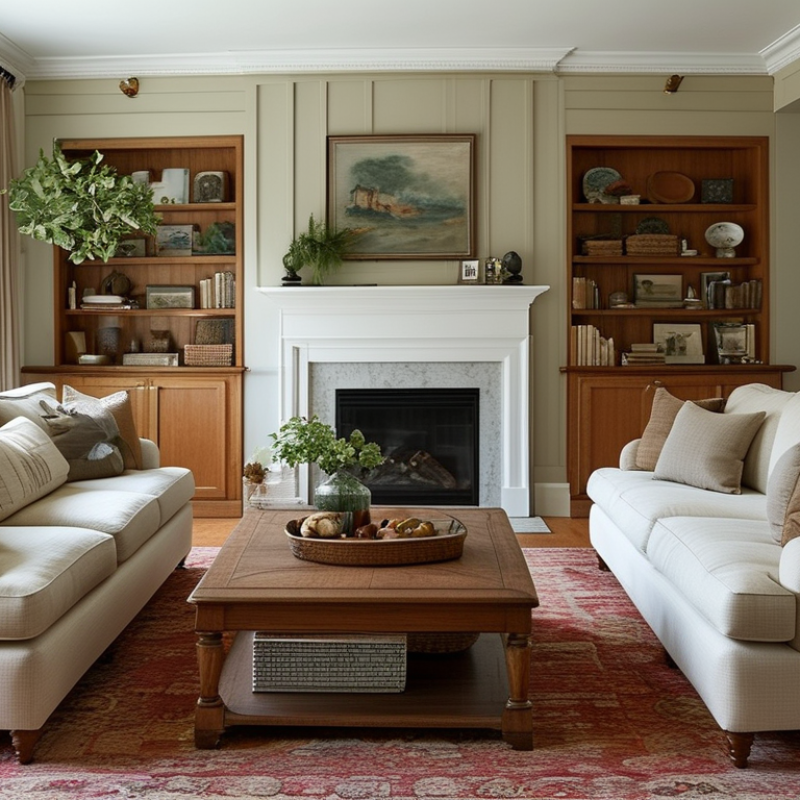
How to Arrange Living Room Furniture in a Rectangular Room?

Factors to Consider for Arranging Furniture in a Rectangular Living Room

Arranging furniture in a rectangular living room requires careful thought. One major factor is the room's flow. Avoid cluttering pathways. Ensure that movement between furniture pieces is easy and natural. Leaving a comfortable distance between seating and other furniture promotes a more inviting space.

Consider the focal point of the room. Whether it’s a fireplace, window, or television, position your main seating around this feature. This arrangement creates a sense of unity. You might place a sofa opposite the focal point and flank it with chairs. A coffee table can tie these elements together but ensure it's not too large, as it can hinder movement.

Lighting plays an important role too. Utilize a mix of ambient and task lighting. Floor lamps or table lamps can add warmth. Experiment with different arrangements until it feels right. Don’t hesitate to make changes if the layout feels off. Functionality is key; every piece should serve a purpose while ensuring comfort.

Optimal Furniture Placement for Space Efficiency and Flow

Arranging furniture in a rectangular living room can be a creative challenge. Consider the flow of the space. You want the room to feel open yet functional. Start by positioning the largest piece, such as a sofa, against the longest wall. This anchors the room and provides a cozy atmosphere.

Next, assess the traffic patterns. Walkways should be at least two feet wide. This allows easy access to various areas. Placing chairs or smaller furniture in a circular arrangement can enhance conversation. Use side tables to create balance, but avoid clutter.

Lighting is also key. Ensure lamps are accessible and complement the layout. Reflect on your arrangement every few weeks. What feels right? What seems off? Small adjustments can make a big difference in creating a harmonious space.

How to Arrange Living Room Furniture in a Rectangular Room?

Furniture Piece Optimal Placement Space Efficiency Flow of Movement
Sofa Against the longer wall Maximizes seating area Encourages conversation
Coffee Table Centered in front of the sofa Defines seating area Allows for easy access
TV Stand Opposite the sofa, at eye level Maximizes viewable area Minimizes neck strain
Armchairs At angles to the sofa Offers additional seating Facilitates eye contact
Bookshelves Against a wall, to utilize vertical space Maximizes storage Keeps flow clear

Utilizing Focal Points to Enhance Room Aesthetics

When arranging furniture in a rectangular living room, focusing on focal points can transform the space. Identify the main feature of the room. It could be a fireplace, artwork, or a large window. Position your sofa to face this central point. This creates a natural flow and draws the eye to the room’s highlight.

While arranging seating, consider scale and balance. A large sectional can overpower smaller tables. Avoid clutter by leaving clear pathways. Aim for a mix of textures and colors. Soft fabrics against hard surfaces add interest. Conversely, a single accent chair can feel out of place. It’s essential to reassess the layout and adjust as needed.

Lighting is another key factor. Use layered lighting to enhance focal points. Combine ambient, task, and accent lighting for a warm atmosphere. Spotlights on artwork create drama. Yet, be cautious with the brightness; it can overwhelm a calm space. Reflecting on these elements can provide clarity. Always be open to modifying your arrangement for improved comfort and style.

Incorporating Multi-Functional Furniture for Small Rectangular Spaces

In small rectangular living rooms, using multi-functional furniture is essential. According to a study by the American Home Furnishings Alliance, nearly 70% of homeowners face space constraints. This highlights the necessity of being smart with furniture choices. A sofa bed can be a game-changer. It transforms a cozy seating area into a comfortable sleeping space for guests. Consider a coffee table that doubles as storage. This solution keeps items organized while maintaining an open feel.

Incorporating modular furniture can also aid in flexibility. For example, an ottoman with hidden storage is a practical choice. It can serve as extra seating, a footrest, or provide a surface for drinks. The key is to choose pieces that blend seamlessly into the room. Remember that clutter can diminish a small space's appeal. When setting up your living room, aim for a balanced layout. While the goal is functionality, aesthetics shouldn’t be overlooked. Experimenting with different arrangements may lead to unexpected results. Sometimes, less is more when it comes to decor.

The Impact of Color and Texture on Living Room Arrangement

Color and texture play a significant role in arranging living room furniture. A recent survey by the American Society of Interior Designers found that 70% of homeowners believe colors directly influence mood. Warmer hues like reds and oranges can energize a space, while cooler tones, such as blues and greens, create a calm environment. Selecting a dominant color can help define the area.

Textures also matter. Professional designers suggest mixing materials—soft fabrics with hard surfaces can create visual interest. For instance, pairing a plush velvet sofa with a sleek wooden coffee table adds depth. It’s essential to consider how these colors and textures interact with natural light. A well-lit room can make colors appear more vibrant, while dim lighting can dull them.

Tips: Use accent walls to introduce bold colors without overwhelming the space. Experimenting with various fabrics can help determine what feels right. Regularly reassess your arrangements. What worked last year may not suit your current style or needs. A fresh perspective can spark creativity and ensure your living room remains inviting.

FAQS

: What should I consider for furniture flow in a rectangular living room?

: Ensure pathways are clear. Leave comfortable distances between seating and furniture for easy movement.

How should I position furniture around a focal point?

Arrange seating around the focal point, like a fireplace or TV. Create unity with a sofa and flanking chairs.

What role does lighting play in arranging a living room?

Use ambient and task lighting to add warmth. Experiment with different lighting setups to find the best feel.

How can I utilize space in small living rooms?

Choose multi-functional furniture, like a sofa bed or storage coffee table, to maximize limited space.

What is the benefit of modular furniture in a small living room?

Modular furniture offers flexibility. An ottoman with hidden storage can double as seating or a footrest.

How can I maintain an open feel in a small space?

Avoid clutter. Aim for a balanced layout while still keeping aesthetics in mind for a welcoming environment.

Conclusion

When considering how to arrange living room furniture in a rectangular room, several factors come into play. First, it’s essential to evaluate the room's dimensions and flow, ensuring that the furniture placement promotes space efficiency and movement. Optimal arrangements typically involve clustering furniture to create distinct areas, while also being mindful of the room's focal points such as windows or fireplaces, which can enhance the overall aesthetic.

In smaller rectangular spaces, incorporating multi-functional furniture can maximize utility without sacrificing style. Additionally, the impact of color and texture should not be underestimated; thoughtful choices can create a cohesive look and feel, contributing to the room's warmth and charm. Overall, a well-considered arrangement not only improves functionality but also elevates the living room's design.

Henry

Henry

Henry is a dedicated marketing professional with a profound expertise in the company's offerings. With years of experience in the industry, he possesses an impressive understanding of the market dynamics and consumer behaviors that drive success. Henry is committed to sharing his insights through......